

VIC · STC zone 4 · 4.76 sun hrs/day · Melbourne 3000
Solar Panels & Battery Storage in Melbourne
Installed by SAA-accredited electricians. Grid-connected systems designed for your roof and power use.
Quick answer
A 6.6kW solar system in Melbourne costs about $4,500–$7,000 after the $1,482 STC discount and makes around 9,016 kWh a year. 21,247 homes in Melbourne (33 postcodes) added solar in the last 12 months (Clean Energy Regulator).
Electricity costs are rising while most of the solar energy your roof could generate goes unused. A properly sized system with quality panels, a matched inverter and a clean install by a licensed electrician means you keep more of what you generate. Bill Saver Solar handles site assessment, design, paperwork and grid connection—all included.
What solar costs and makes in Melbourne
| System | Output a year | STC discount | Price after STCs |
|---|---|---|---|
| 6.6kW | 9,016 kWh | $1,482 | $4,500–$7,000 |
| 10kW | 13,660 kWh | $2,242 | $6,500–$10,500 |
| 13kW | 17,758 kWh | $2,926 | $8,500–$13,500 |
PVWatts output (Melbourne data) · STCs at zone 4 · prices are market guidance, not quotes. Savings & monthly output ↓
- SAA-accredited electricians
- Site assessment & design included
- Grid connection paperwork handled
241,504
solar systems in Melbourne (33 postcodes) since 2001
29,634
home batteries added in Melbourne (33 postcodes), last 12 months
1,366
kWh per kW of panels a year
16 km
to Mount Waverley, Blackburn, Thomastown
⏳ Deadlines
- Cheaper Home Batteries steps down in 38 days (1 January 2027)About $252/kWh for the first 14 kWh, $151/kWh to 28 kWh and $38/kWh to 50 kWh (2026 rate) Source: DCCEEW Cheaper Home Batteries, from 1 May 2026 · checked 2026-10-16
- STC discount on new solar shrinks in 38 days (1 January 2027)about 20% less than this year (one fewer deeming year) Source: Clean Energy Regulator (small-scale technology certificates) · set by law

Before solar
What stops Melbourne homes going solar?
Homeowners in Melbourne, VIC 3000 often face real roadblocks before choosing solar.
-
Uncertainty about roof condition and shading
Many homeowners don't know if their roof will safely hold panels, or whether trees or neighbouring buildings will shade them enough to matter. Without a proper site check, you can't trust a quote.
-
Confusion over rebates and how much you actually pay
Federal STCs, state rebates and battery subsidies change on set dates, and terms vary by system size and eligibility. Homeowners often see inflated 'before' prices online and don't realise how much rebates cut the real cost.
-
Not knowing if switchboard and wiring can handle the system
An undersized or aging switchboard may need upgrading before solar and a battery can be installed safely. Most homeowners have no idea until an electrician inspects it, which wastes time if expensive upgrades are needed.
-
Worry about choosing the right panel and inverter brand
Homeowners see dozens of panel and inverter brands and can't tell which will last 25 years or perform well in Melbourne's climate. Cheap panels may fail early; unfamiliar brands can be hard to service.
-
Complexity of grid connection paperwork and ESV compliance
Grid connection applications, Energy Safe Victoria (ESV) registration and network operator approvals feel like a maze. Homeowners don't know if their installer is accredited or if everything meets the rules.
-
Thorough roof and shading assessment
We inspect your roof's pitch, structure, age and orientation during the free site visit. We check for shading from trees, buildings and chimneys using solar pathfinder tools and photographs. You know exactly what will fit and how much it will generate before we draw up a design.
-
Clear rebate breakdown at quote stage
We calculate your STCs, Solar Victoria panel and hot water rebates, and any battery subsidies (Cheaper Home Batteries Program) based on your system size. We show the deduction upfront and confirm all amounts in writing. You pay only the net price after rebates are applied.
-
Switchboard check and upgrade planning upfront
Our site assessment includes a full switchboard and earthing inspection. If an upgrade is needed, we quote it separately and explain why, so you know the true total cost and can decide whether to proceed. No surprises after you've committed.
-
Proven tier-one components matched to your budget
We specify panels and inverters from established manufacturers with strong Australian service networks. Our quote lists the brand and key specs so you know what you're getting. We explain warranty and why we've chosen those components for Melbourne homes.
-
Full paperwork handling by SAA-accredited team
We manage all grid connection paperwork, ESV lodgement and network operator liaison. Our electricians are SAA-accredited and work to current Energy Safe Victoria standards. You get a handover pack with all your system documents, warranty certificates and monitoring details.
Ready to stop paying too much for electricity?
21,247 homes in postcode 3000 added solar in the last 12 months (Clean Energy Regulator).
Our services
Every solar & battery service we offer in Melbourne
Choose a service to see local prices, what is included and what affects the quote.
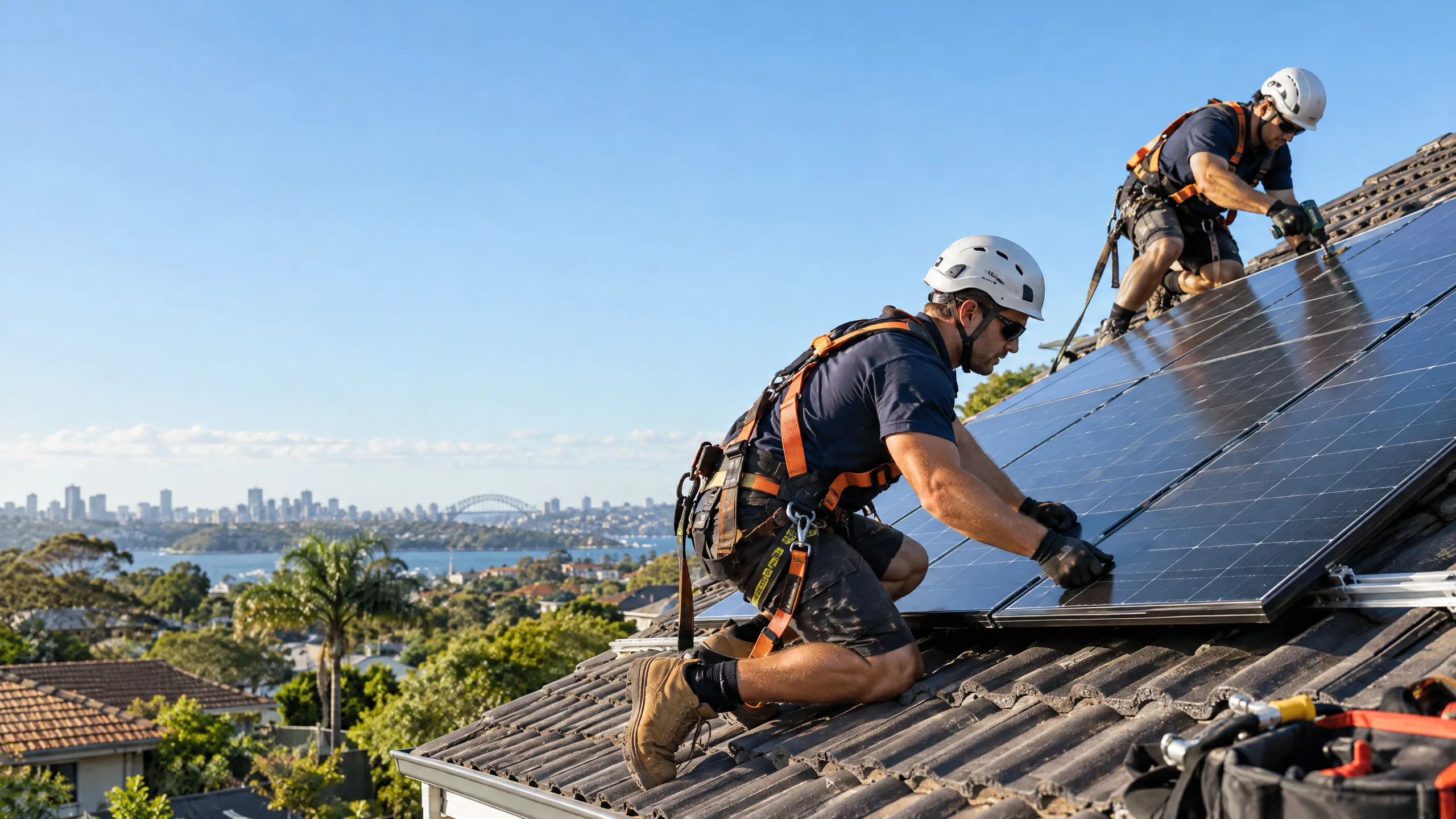
Solar Panel Installation
A correctly sized system with tier-one panels, a matched inverter and a clean install by an accredited electrician.
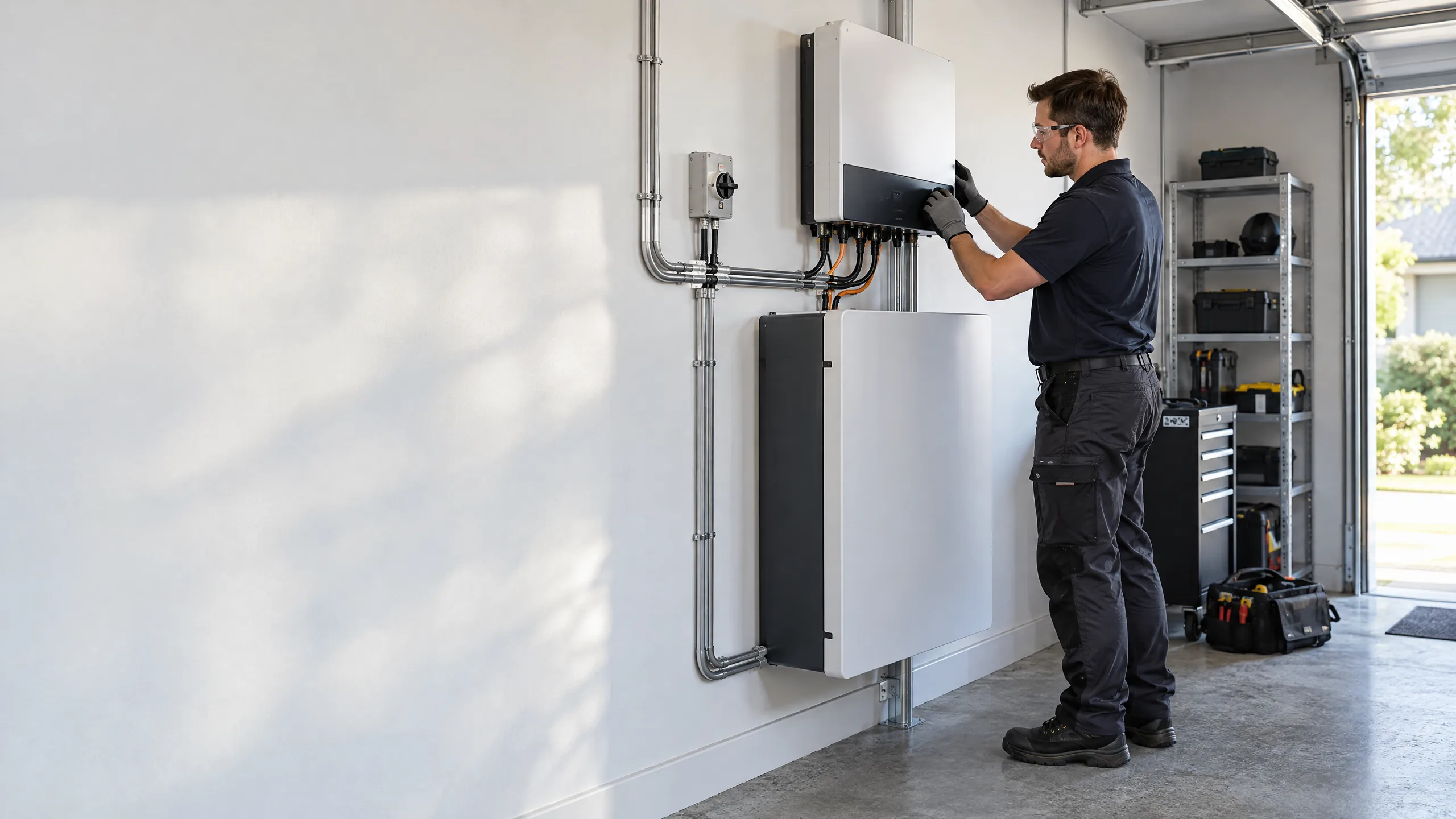
Solar Battery Installation
A battery sized to your evening load, installed with the right inverter and backup configuration.
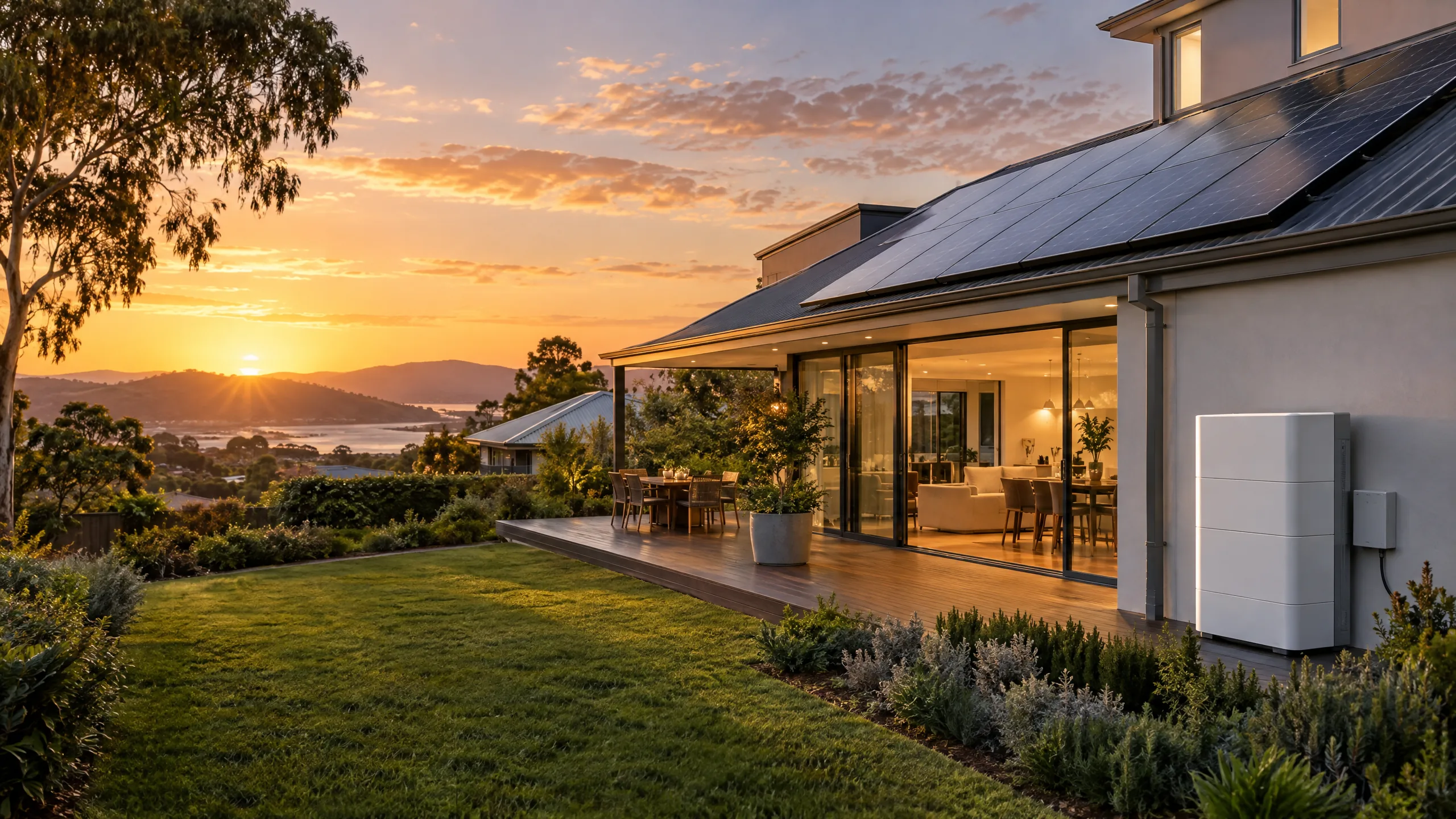
Solar + Battery Packages
A single designed package: panels, hybrid inverter and battery installed and commissioned together.
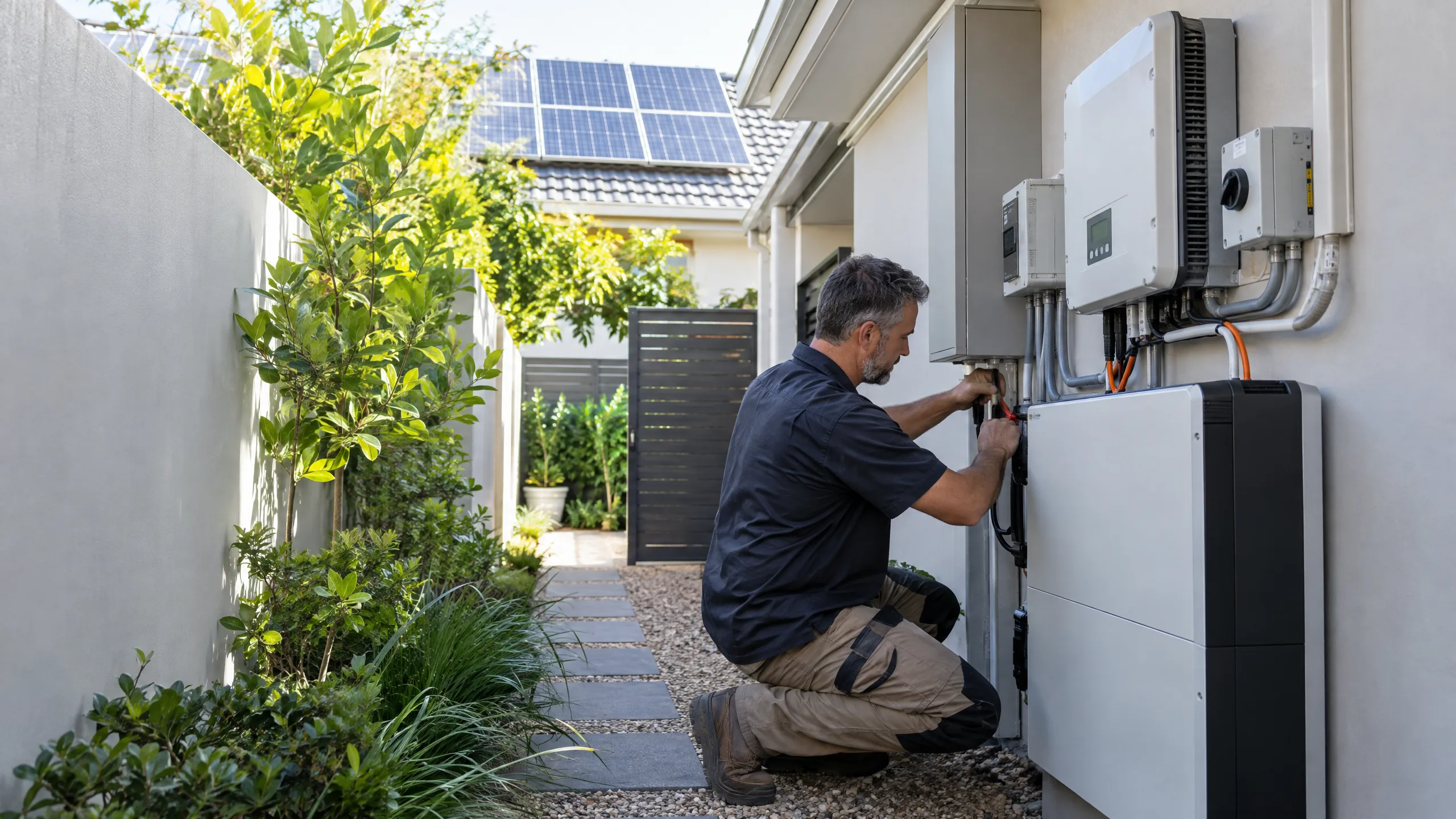
Add a Battery to Existing Solar
An AC-coupled battery or a hybrid inverter upgrade that adds storage without replacing working panels.
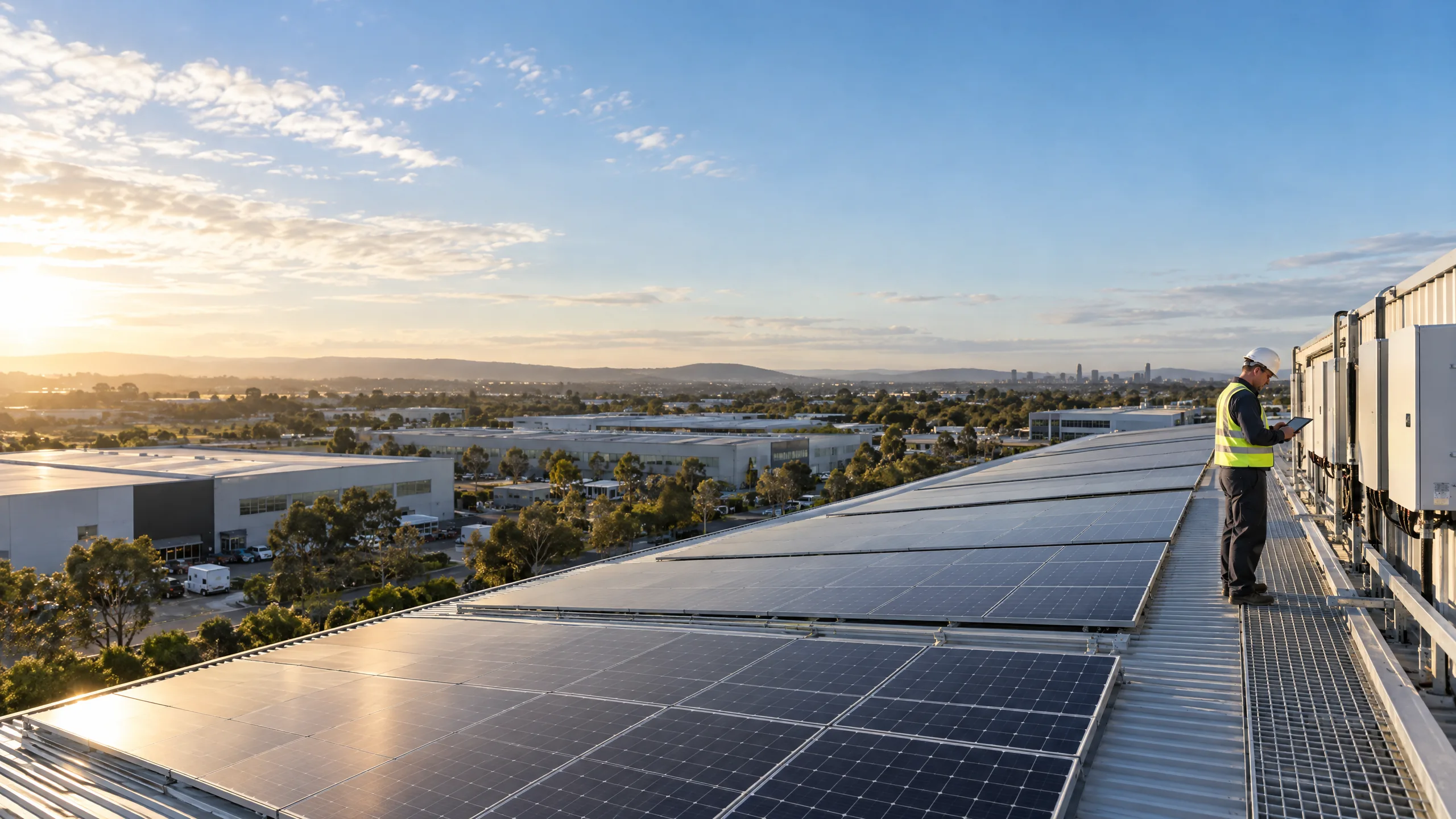
Commercial Solar
A commercial system designed around interval data, demand charges and roof structure, with a clear payback model.
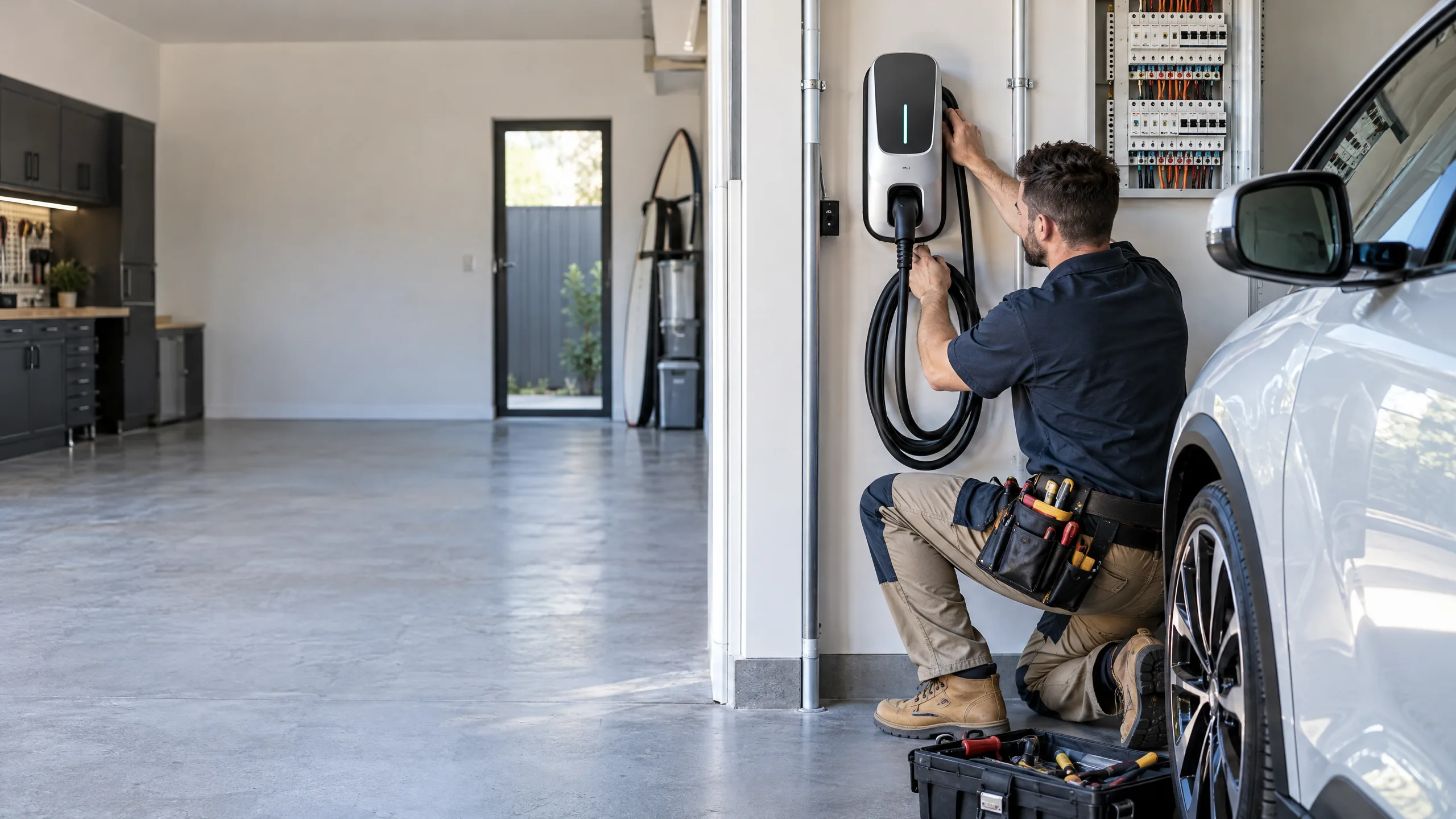
EV Charger Installation
A dedicated wall charger on its own circuit, ideally solar-aware so it soaks up surplus generation.
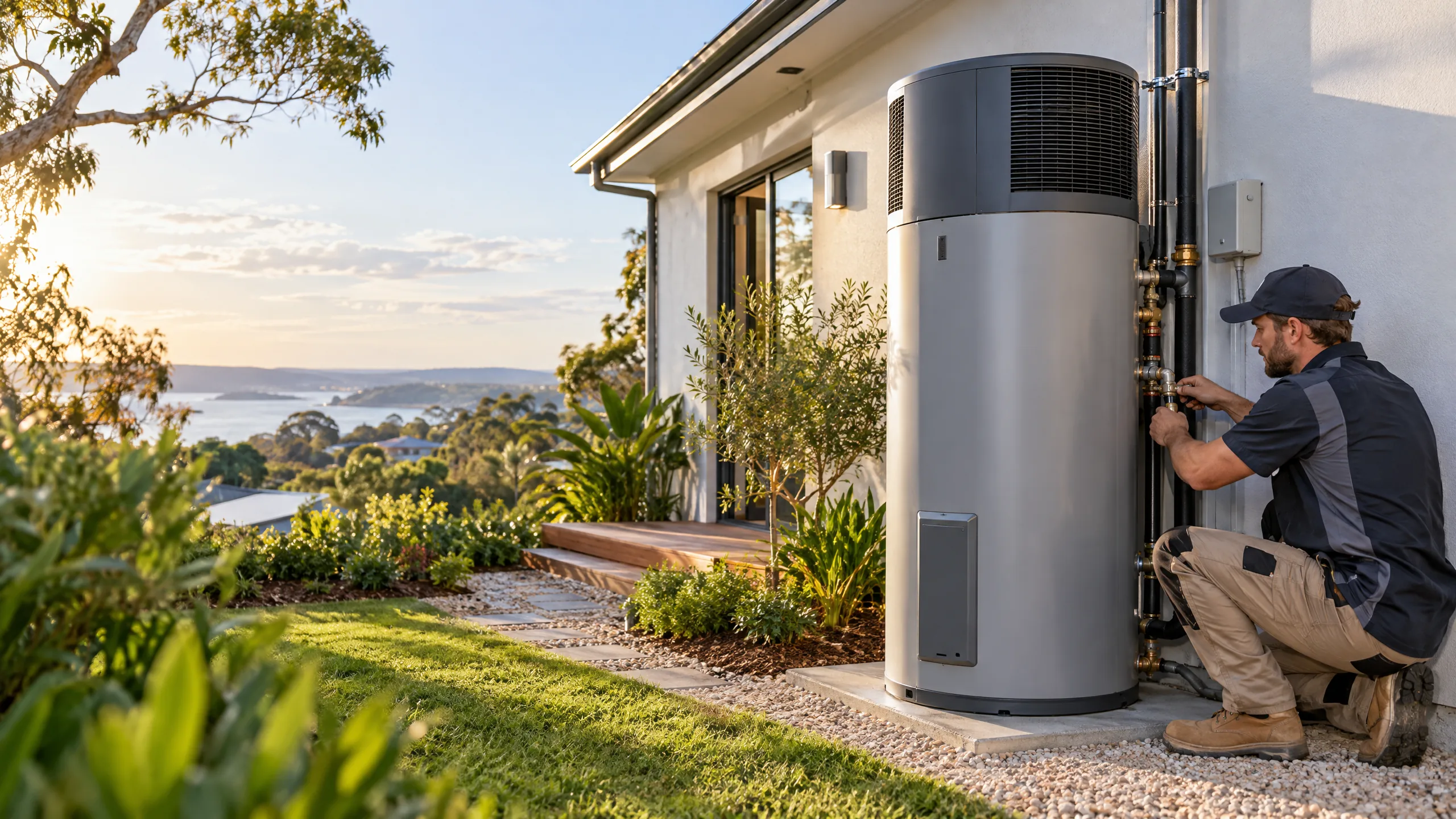
Heat Pump Hot Water
Heat Pump Hot Water in Melbourne, quoted in writing.
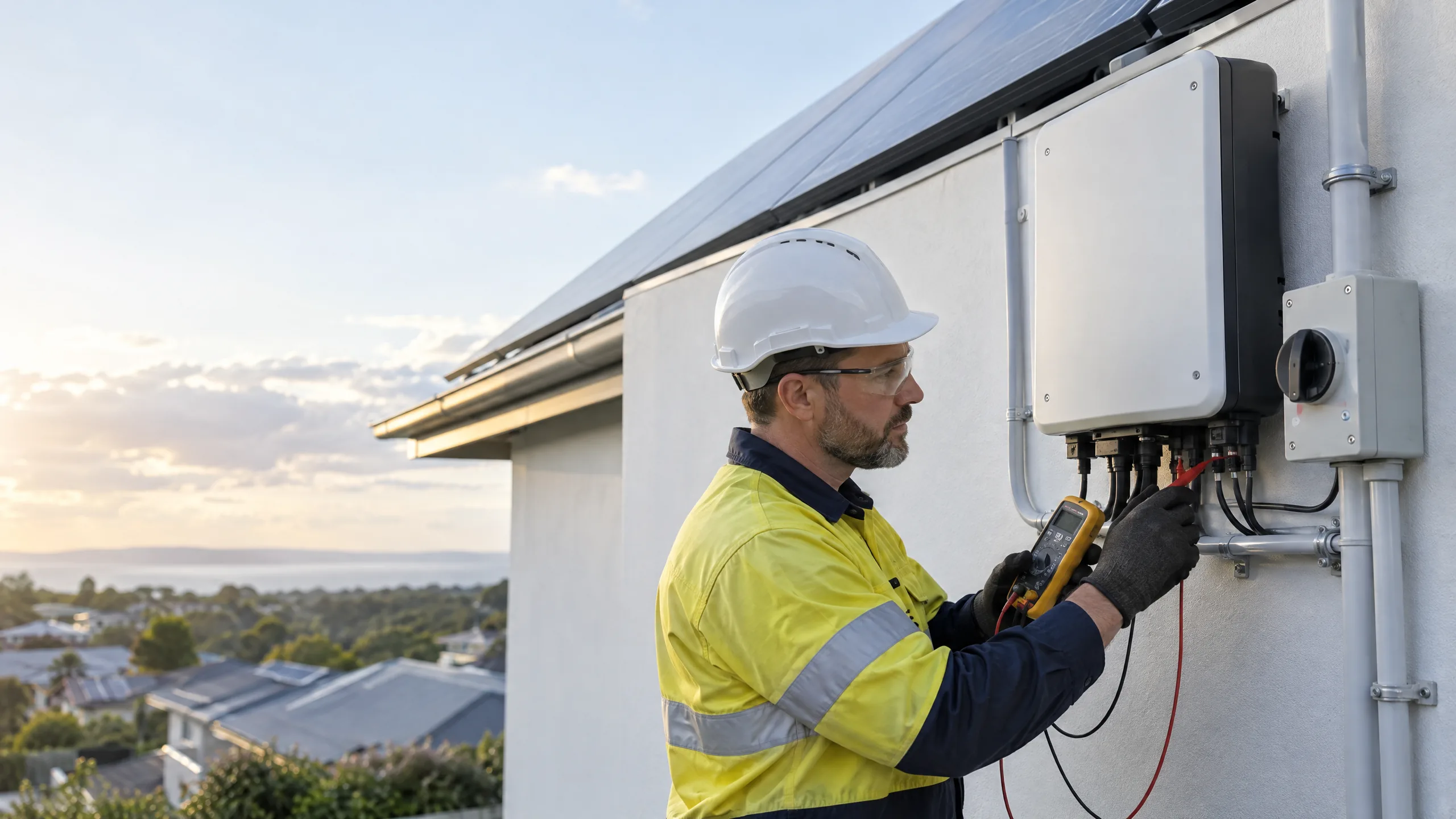
Solar Repairs & Maintenance
Solar Repairs & Maintenance in Melbourne, quoted in writing.
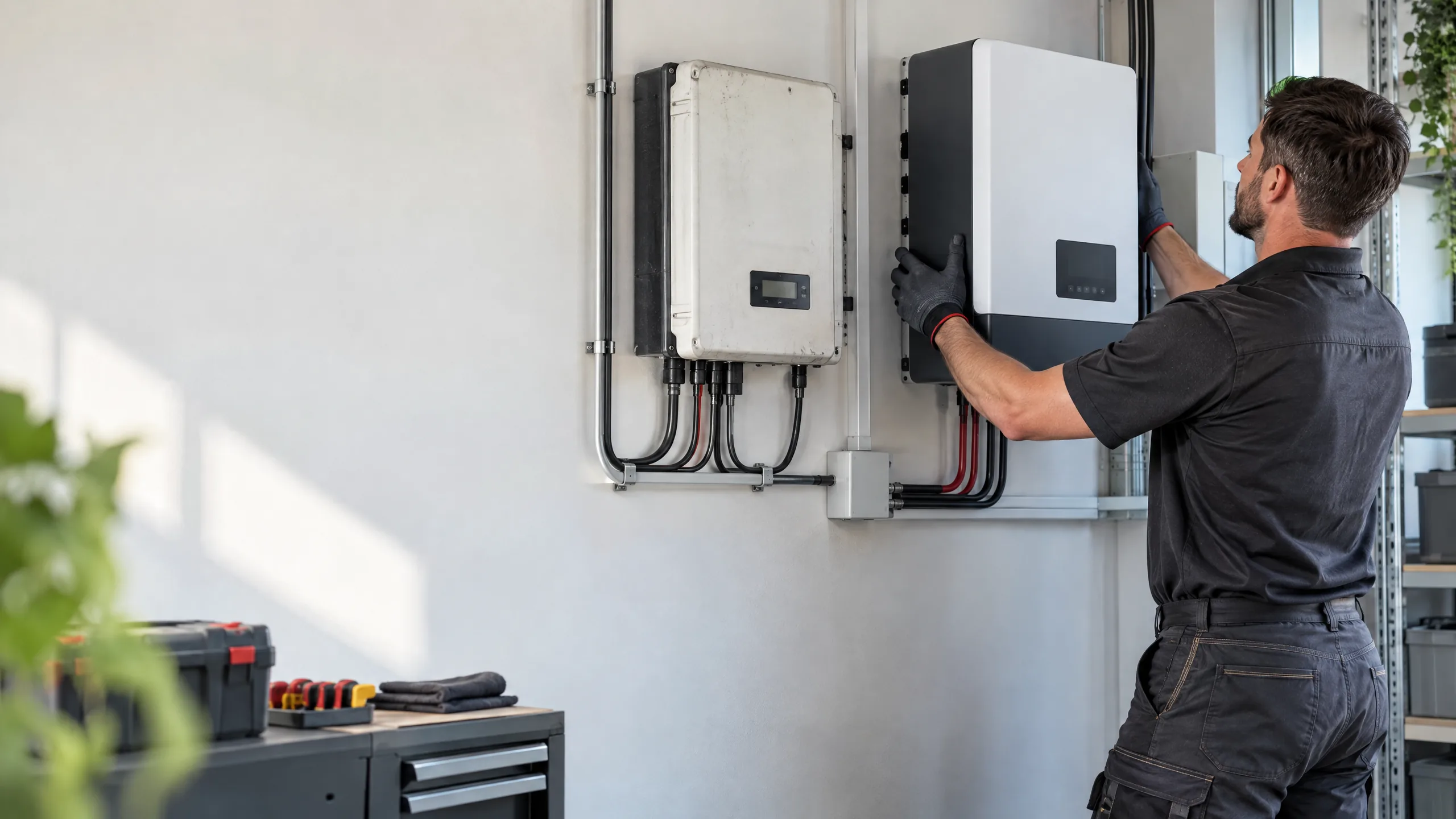
Inverter Replacement
Inverter Replacement in Melbourne, quoted in writing.
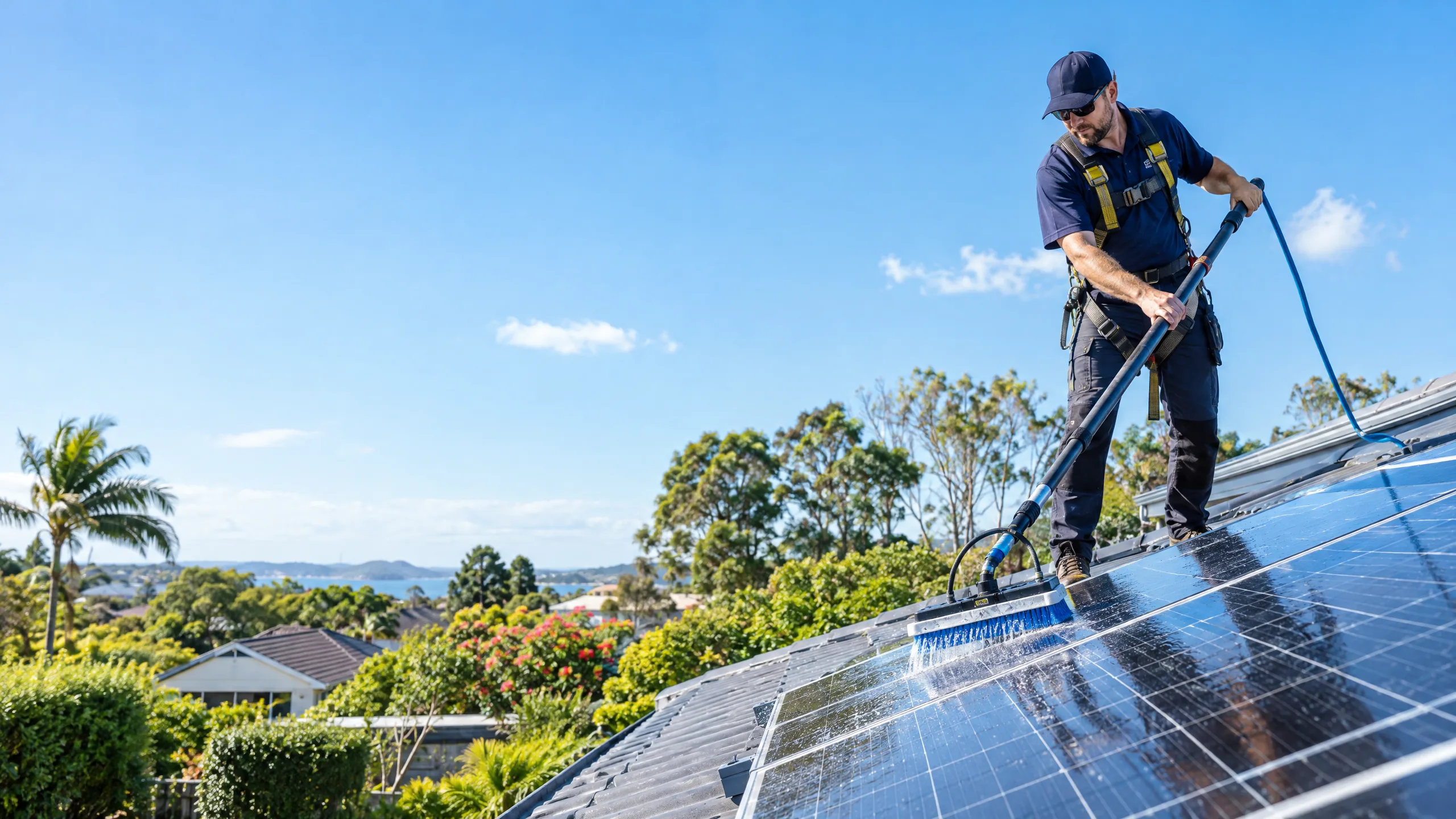
Solar Panel Cleaning
Solar Panel Cleaning in Melbourne, quoted in writing.
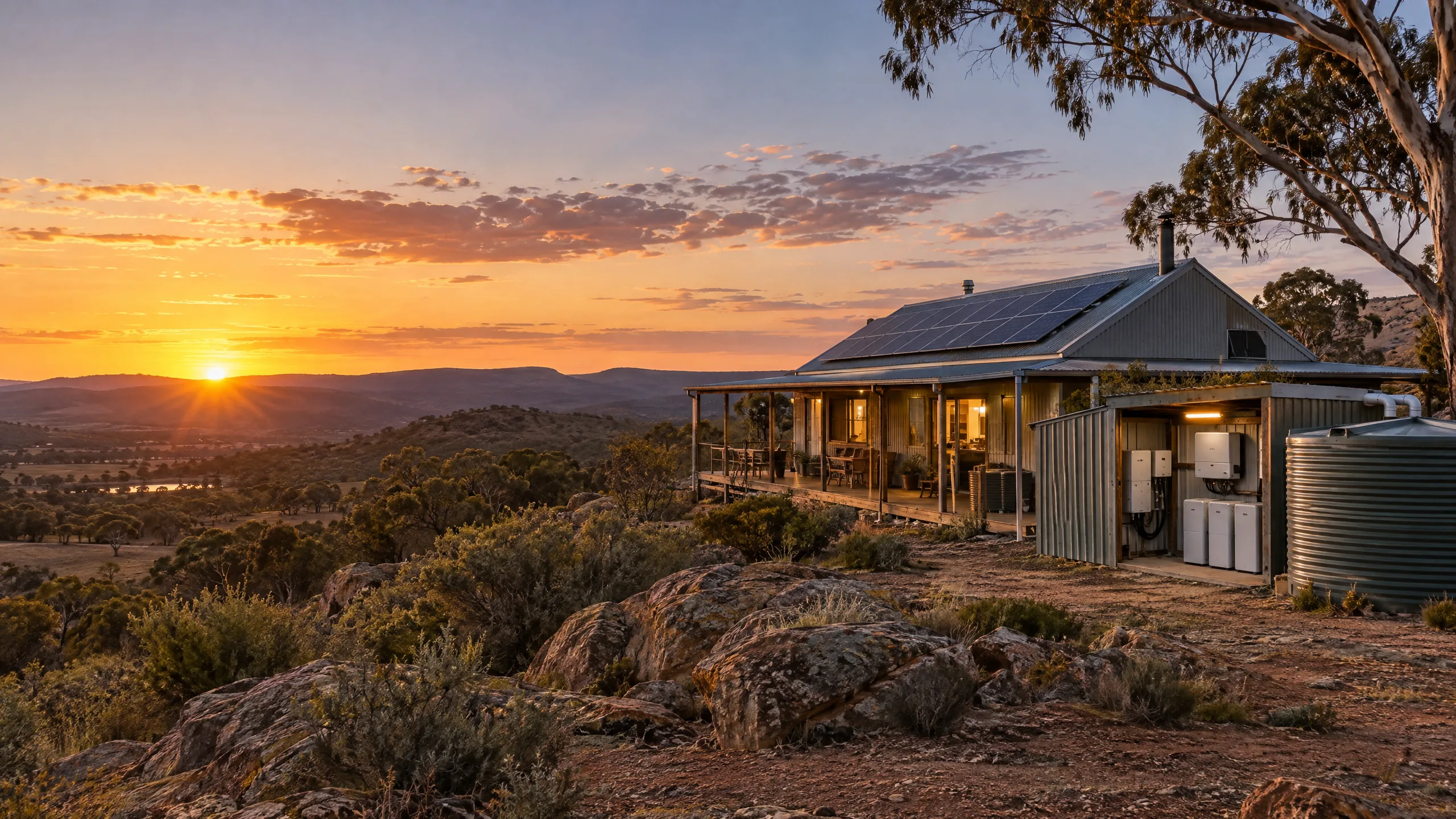
Off-Grid Solar Systems
Off-Grid Solar Systems in Melbourne, quoted in writing.
Homes & businesses
Residential and commercial solar in Melbourne
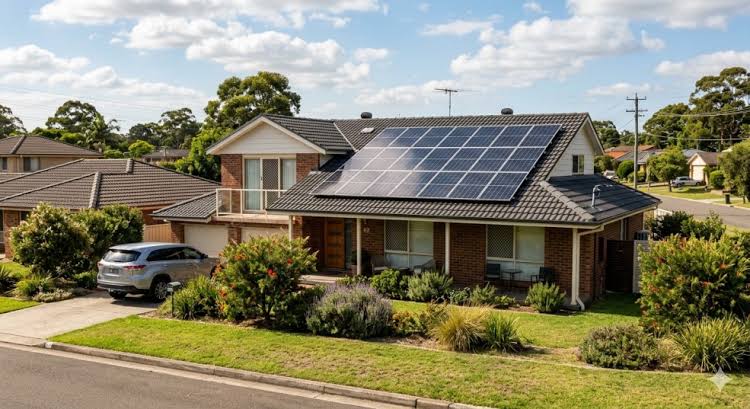
Residential solar
For homes: panels, batteries, packages and the upgrades that cut evening bills.
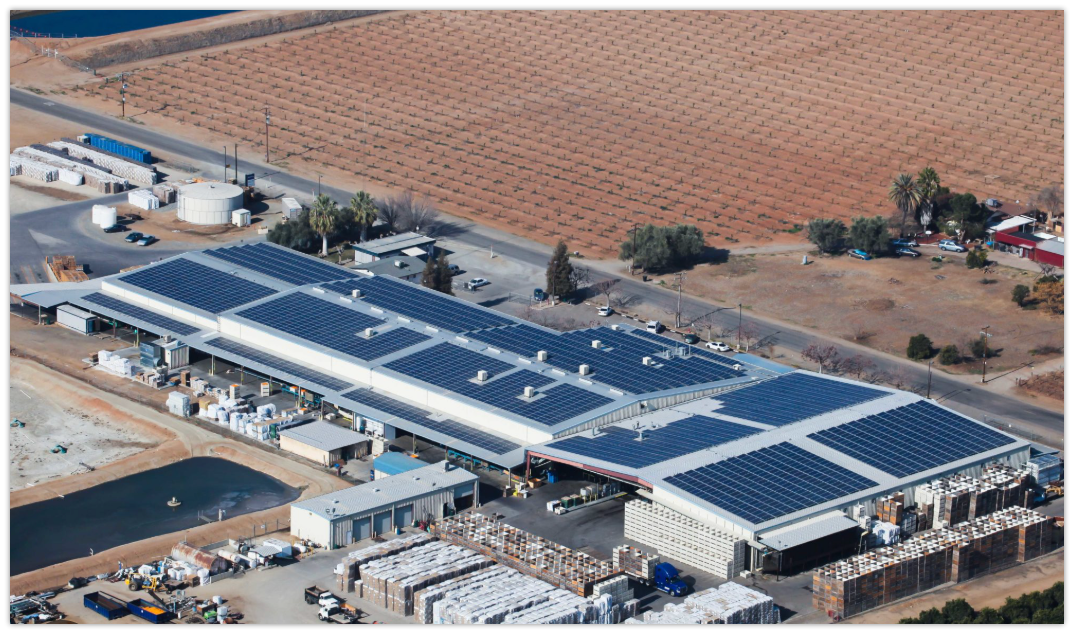
Commercial solar
For businesses: larger systems sized to daytime load, with monitoring and tax-time paperwork.
Industries
Farms & AgricultureWarehouses & ManufacturingRetail & HospitalitySchools & ChildcareMedical & Dental ClinicsStrata & Apartment Buildings
Solar designed around your situation
Which situation best suits you?

Solar and battery rebates in Melbourne
What Victoria homes can claim right now, worked out for Melbourne.
About $1,482
STC discount on 6.6kW
Federal SRES · 39 certificates
About $3,402
Battery incentive on 13.5 kWh
Cheaper Home Batteries (conditions)
Up to $1,400 locally made, $1,000 other
Solar Victoria hot water rebate
Solar Victoria, from 1 July 2026
Amounts change on set dates (next step-down 1 Jan 2027), so confirm before you sign. Last checked 16 Oct 2026. All Victoria rebates →
How it works in Melbourne
Start with step one →-
01
1. Free site assessment
We visit your Melbourne home to inspect your roof (pitch, orientation, shading, condition), check your switchboard and meter, and review your power bills. This takes about 30 minutes and costs nothing. We photograph the roof and note any obstacles or structural issues.
-
02
2. System design & quote
Using your usage data and roof layout, we design a system sized for your needs. You get a written quote showing panel type, inverter, battery (if chosen), all labour, and the rebate deductions (STCs and any Solar Victoria rebate). We explain the payback and annual output.
-
03
3. Installation & connection
Our accredited electricians install panels, inverter, racking and wiring. We apply for the grid connection and handle all paperwork with your network operator. Once the ESV and network operator inspect and approve, you're live. We set up your monitoring app and hand over all documents.
What’s included in a standard solar installation job?
Typically included
- Site and roof structural assessment
- System design and shading analysis
- Supply of panels, inverter, racking and isolators (brand and specs confirmed in writing)
- Installation labour by SAA-accredited electrician
- Grid connection application and network operator liaison
- Monitoring app setup and handover of all warranties and documents
Often excluded
- Council planning permits (not usually needed, but you'll be advised if required)
- Switchboard or electrical upgrades beyond the solar install (quoted separately if found at assessment)
- Roof repairs, repainting or structural work
- Extended warranties or service plans beyond manufacturer cover
Always get scope in writing. Confirm the STC rebate amount ($1,482 typical for 6.6 kW at $38 per certificate) and any Solar Victoria rebate eligibility before booking. Rebate amounts and eligibility rules change periodically. Ask your installer to verify current incentives with the Clean Energy Regulator and Solar Victoria. If a switchboard upgrade is needed, costs are separate and will be quoted during the site assessment.
Pricing guide
What does solar cost in Melbourne?
Cost depends on system size (measured in kilowatts), panel and inverter brands, roof type and switchboard condition. Most Melbourne homes save with a 5–10 kW system. Prices below are the installed cost after STCs are deducted but before other state rebates (which vary by eligibility—confirm current amounts with Solar Victoria and the Clean Energy Regulator).
What affects your quote
- System size (kW): larger systems have lower per-kW cost
- Panel brand and efficiency tier: premium panels cost more upfront but generate more in limited space
- Inverter type and brand: string, hybrid or battery-ready inverters vary in price and compatibility
- Roof pitch, condition and number of storeys: steep or multi-storey roofs cost more to work on
- Switchboard upgrade: aging switchboards may need a safety upgrade (add $1,500–$3,000)
- Single or three-phase power: three-phase installations are more complex and typically cost more
| Job type | Low end | Typical | High end |
|---|---|---|---|
| Solar Panels | $4,000 | $6,750 | $9,500 |
| Solar Batteries | $7,000 | $11,000 | $15,000 |
| Solar + Battery | $12,000 | $19,000 | $26,000 |
| Battery Retrofit | $7,500 | $12,000 | $16,000 |
Pricing transparency: these ranges are market guidance, not quotes. Replace with verified local quote data as it comes in.
Why Bill Saver Solar
Why Melbourne homeowners choose us

-
Accredited installers
SAA accredited installer, NETCC Approved Seller, Licensed electrical contractor.
-
2016 years in solar
Bill Saver Solar has been working on local roofs for 2016 years.
-
10 Years-year workmanship warranty
In writing, on top of the panel, inverter and battery manufacturer warranties.
-
Brands we install
Tesla Powerwall, Sigenergy, BYD, Alpha ESS, Enphase IQ Battery. We explain what each part does and why it suits your home.
-
Local office
Level 10, 14 Mason Street Dandenong VIC 3175.
-
Quick response
We aim to reply within Same Day Response.
Local solar numbers
What will a solar system do for a home in Melbourne?
A 6.6kW system in Melbourne should make about 9,016 kWh a year, roughly 25 kWh on an average day. The table below compares the sizes most homes choose, using Melbourne data.
| System | Output a year | Bill saving a year | STC discount | Typical price | Payback |
|---|---|---|---|---|---|
| 6.6kW | 9,016 kWh | — | $1,482 (39 STCs) | $4,500–$7,000 | — |
| 10kW | 13,660 kWh | — | $2,242 (59 STCs) | $6,500–$10,500 | — |
| 13kW | 17,758 kWh | — | $2,926 (77 STCs) | $8,500–$13,500 | — |
| 20kW | 27,320 kWh | — | $4,484 (118 STCs) | $13,240–$20,990 | — |
Output: PVWatts modelling for this area. Savings assume 25–35% of solar used at home; savings and payback show a dash until the local power price is verified. Prices are market guidance (after STCs), not quotes.
Local guide
Solar in Melbourne: local climate, roofs and rules
Melbourne, VIC 3000 is the city centre and inner-urban postcode with 54,941 residents (ABS 2021 Census). The suburb sits 1.5 km from the CBD. Housing is dense and mixed—Victorian-era terraces, post-war weatherboards, and modern apartments dominate. Most residential roofs are pitched (Colorbond or slate on older homes, tile on newer builds). North-facing roof space is at a premium because many properties are narrow or shaded by surrounding buildings. Rooftop solar has been installed on 114 systems since 2001; only 4 were added in the last 12 months, reflecting the higher density and fewer detached homes with unshaded roof space.
Climate and solar performance: Melbourne averages 4.76 peak sun hours daily (north-facing, 20° tilt), generating about 1,366 kWh per kilowatt per year. Summers (October–February) are warm and clear, delivering strong generation. Winters (June–August) are cool and grey, with shorter days reducing output by up to 40%. Spring and autumn are variable—occasional storms and wind bring outages, though modern grid-tied systems are designed to isolate safely during faults. Salt air from Port Phillip Bay (south-west of the postcode) can accelerate panel soiling, so periodic cleaning (every 6–12 months) may be worthwhile if nearby dust or leaf debris accumulates.
Distribution network and grid connection: Your electricity network operator is usually AusNet Services (north and east of the postcode) or Powercor (western areas). Grid connection is straightforward for most residential systems under 10 kW. Your installer lodges the application; the network operator inspects and approves within 4–6 weeks. Three-phase power is common in inner Melbourne, which can reduce inverter complexity and cost for larger systems. Energy Safe Victoria (ESV) regulates electrical safety, and your installer's work must pass ESV inspection before you're live.
Council and heritage: Most residential solar under 10 kW does not need a planning permit from the City of Melbourne or Port Phillip Council. However, Heritage listings (common in inner suburbs like Carlton and South Yarra, close to Melbourne CBD) and specific overlays can trigger permit requirements. Your installer checks this at assessment. Off-Grid systems (rare in the postcode due to grid availability) need separate planning and ESV approval. Strata schemes and rental properties may have additional restrictions—confirm with your body corporate or landlord before proceeding.
Expect around 9,016 kWh a year from a 6.6kW array in Melbourne: 1,366 kWh for every kW of panels.
114 solar systems have been installed in postcode 3000 since 2001, 4 of them in the last 12 months (Clean Energy Regulator).
A 6.6kW system in Melbourne creates 39 STCs (zone multiplier 1.185 × 5 years), worth about $1,482 at $38 each. Installers deduct this from the price.
How to choose a solar installer in Melbourne
Red flags to watch for
- Installer quotes over the phone without visiting your roof
- Quote doesn't list panel brand, inverter model or system size (kW)
- Rebates aren't deducted upfront or amounts aren't explained
- Installer can't provide SAA accreditation or ESV registration details
- No written design, timeline or warranty information provided
- Pressure to sign or pay a deposit before you've had time to think or compare
- 01
Check accreditation (SAA and ESV compliance)
Your electrician must be SAA-accredited under the national installer scheme. Ask for their SAA card or registration number before booking. Confirm that your installer is registered with Energy Safe Victoria (ESV). Both credentials are non-negotiable—they show your system will be installed to code and pass inspection.
- 02
Request a free on-site assessment
Any installer worth hiring visits your roof in person. They photograph the roof, check for shading, inspect your switchboard and meter, and review your power bills. This takes 20–30 minutes and is free. If an installer quotes over the phone without visiting, move on.
- 03
Ask for a written design and quote
Your quote must list: panel brand and wattage, inverter brand and size, racking type, installation labour, all rebates (STCs and state rebates) deducted upfront, and the final price. It should also include warranty details, estimated annual output and a timeline. Compare quotes from at least two installers before deciding.
- 04
Confirm rebate eligibility and current amounts
STCs (Small-scale Technology Certificates) are worth about $1,482 for a 6.6 kW system at the current $38 per certificate. Solar Victoria panel rebates go up to $1,400 (confirm eligibility). Cheaper Home Batteries Program subsidies depend on battery size and date of purchase. Ask your installer to show the rebate calculations in writing—amounts change on set dates.
- 05
Check panel and inverter warranty
Panels typically come with 25-year output warranties (usually 80% output at year 25). Inverters are 5–10 years standard. Ask whether the installer offers extended warranty options and what's covered. Battery warranties vary by type (lithium vs. lead-acid) and manufacturer—clarify this before purchasing.
- 06
Ask about monitoring and support after install
You should get a dedicated monitoring app or portal to track real-time generation, battery charge and any faults. Ask how support works if something goes wrong—response times, repair costs, and who to contact. Confirm contact details and availability.
- 07
Avoid red flags: vague pricing, no assessment, pressure tactics
Walk away from installers who quote without a site visit, refuse to provide a written design, use high-pressure sales language, or won't name the panel and inverter brands. Legitimate installers are happy to explain their choices and let you compare quotes.
Brands we install
Brands we install
Ask us about current stock and warranty terms for each brand.
- Panels
- Jinko →Trina →LONGi →AikoRECCanadian Solar →SunPower (Maxeon)
- Batteries
- Tesla PowerwallSigenergy →BYDAlpha ESS →Enphase IQ BatterySungrow SBR →FranklinWH
How much power does a 6.6kW solar system produce in Melbourne?
How much is the STC rebate on a 6.6kW system in Melbourne?
How many homes in Melbourne have solar panels?
How much does solar cost in Melbourne?
How much does a solar system cost in Melbourne?
Do I need a battery with solar in Melbourne?
How much solar output will I get in Melbourne?
Who installs solar in Melbourne and what accreditation do they need?
What's included in a solar installation?
Do I need council approval or a permit for solar in Melbourne?
Can I add a battery to my existing solar system?
Ready to cut your power bills in Melbourne?
Get a free, no-obligation solar assessment and a written, itemised quote.
Accredited installers — SAA accredited installer, NETCC Approved Seller, Licensed electrical contractor.
2016 years in solar — Bill Saver Solar has been working on local roofs for 2016 years.
10 Years-year workmanship warranty — In writing, on top of the panel, inverter and battery manufacturer warranties.
Brands we install — Tesla Powerwall, Sigenergy, BYD, Alpha ESS, Enphase IQ Battery. We explain what each part does and why it suits your home.