

VIC · STC zone 4 · 4.76 sun hrs/day · Epping 3076
Solar Panels & Batteries in Epping
Accredited installation for homes and businesses across Whittlesea
Quick answer
A 6.6kW solar system in Epping costs about $4,500–$7,000 after the $1,482 STC discount and makes around 9,016 kWh a year. 245 homes in postcode 3076 added solar in the last 12 months (Clean Energy Regulator).
Electricity costs rise every year while most of the solar your roof could generate stays unused. A correctly sized system with quality panels, a matched inverter and a clean install by an accredited electrician turns that unused potential into power you own. We handle the site assessment, design, installation, grid paperwork and monitoring setup.
What solar costs and makes in Epping
| System | Output a year | STC discount | Price after STCs |
|---|---|---|---|
| 6.6kW | 9,016 kWh | $1,482 | $4,500–$7,000 |
| 10kW | 13,660 kWh | $2,242 | $6,500–$10,500 |
| 13kW | 17,758 kWh | $2,926 | $8,500–$13,500 |
PVWatts output (Melbourne data, 20 km away) · STCs at zone 4 · prices are market guidance, not quotes. Savings & monthly output ↓
- SAA accredited electricians
- NETCC Approved Seller in Victoria
- 245 systems installed in postcode 3076 last 12 months
4,494
solar systems in postcode 3076 since 2001
422
home batteries added in postcode 3076, last 12 months
1,366
kWh per kW of panels a year
5 km
to Lalor, Wollert, Thomastown
⏳ Deadlines
- Cheaper Home Batteries steps down in 38 days (1 January 2027)About $252/kWh for the first 14 kWh, $151/kWh to 28 kWh and $38/kWh to 50 kWh (2026 rate) Source: DCCEEW Cheaper Home Batteries, from 1 May 2026 · checked 2026-10-16
- STC discount on new solar shrinks in 38 days (1 January 2027)about 20% less than this year (one fewer deeming year) Source: Clean Energy Regulator (small-scale technology certificates) · set by law

Why choose us
What stops Epping homeowners from going solar?
Epping residents often hesitate because they're unsure what roofs can handle solar, how much it really costs, or whether rebates will actually arrive.
-
Unclear how solar fits your roof
Epping homes have pitched Colorbond and tile roofs in many orientations. You worry whether your roof angle, age, or shading from nearby trees will make solar pointless.
-
Worried the electrician isn't qualified
Solar installation involves high-voltage DC wiring, grid connection and building regulations. A bad install can cause fires, electrocution or void your warranty. You don't know how to check if an electrician is genuinely accredited.
-
Uncertain about long-term maintenance
After installation, who cleans the panels? Who fixes faults? Does the warranty mean anything? You worry that once the installer leaves, you're on your own.
-
We assess roof potential in detail
A site visit checks your exact pitch, north-facing area, tree shade patterns and structural condition. We model output for your roof and show you where panels go and what you'll generate. Most Epping properties are suitable; we tell you upfront if yours isn't.
-
Our electricians are SAA accredited and NETCC Approved
All installation work is done by accredited electricians (SAA accreditation) under NETCC Approved Seller status in Victoria. We keep current with Energy Safe Victoria (ESV) compliance and provide a performance warranty. You can verify our credentials with ESV.
-
We offer ongoing maintenance and support
Annual or on-demand cleaning keeps panels at full output (especially important after Epping's dry summers). We monitor your system remotely and alert you to faults. Maintenance visits ($180–$1,200 annually) include performance reviews and repairs. Inverter replacement and other major work are covered at predictable cost.
Ready to stop paying too much for electricity?
245 homes in postcode 3076 added solar in the last 12 months (Clean Energy Regulator).
Our services
Every solar & battery service we offer in Epping
Choose a service to see local prices, what is included and what affects the quote.
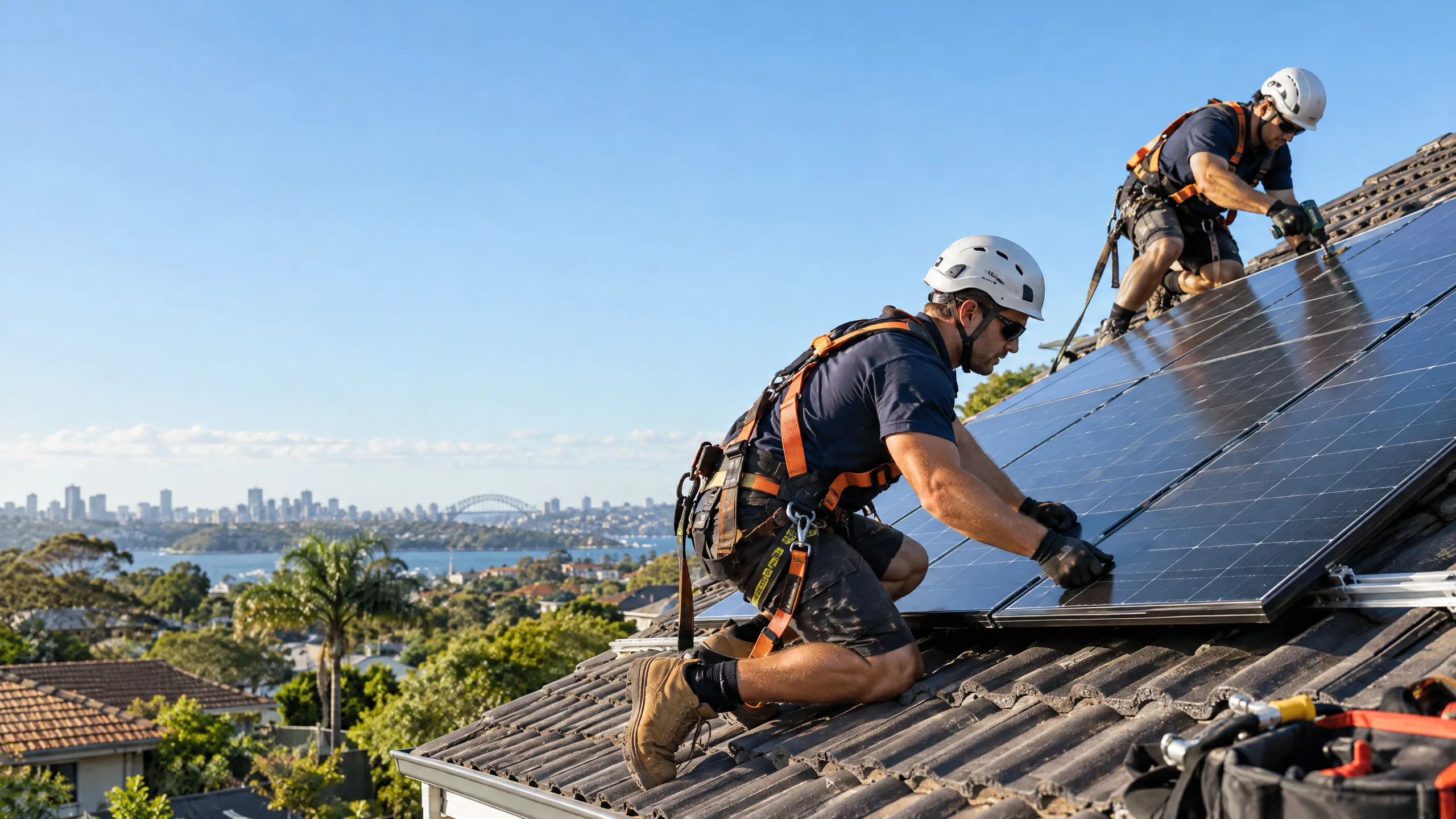
Solar Panel Installation
A correctly sized system with tier-one panels, a matched inverter and a clean install by an accredited electrician.
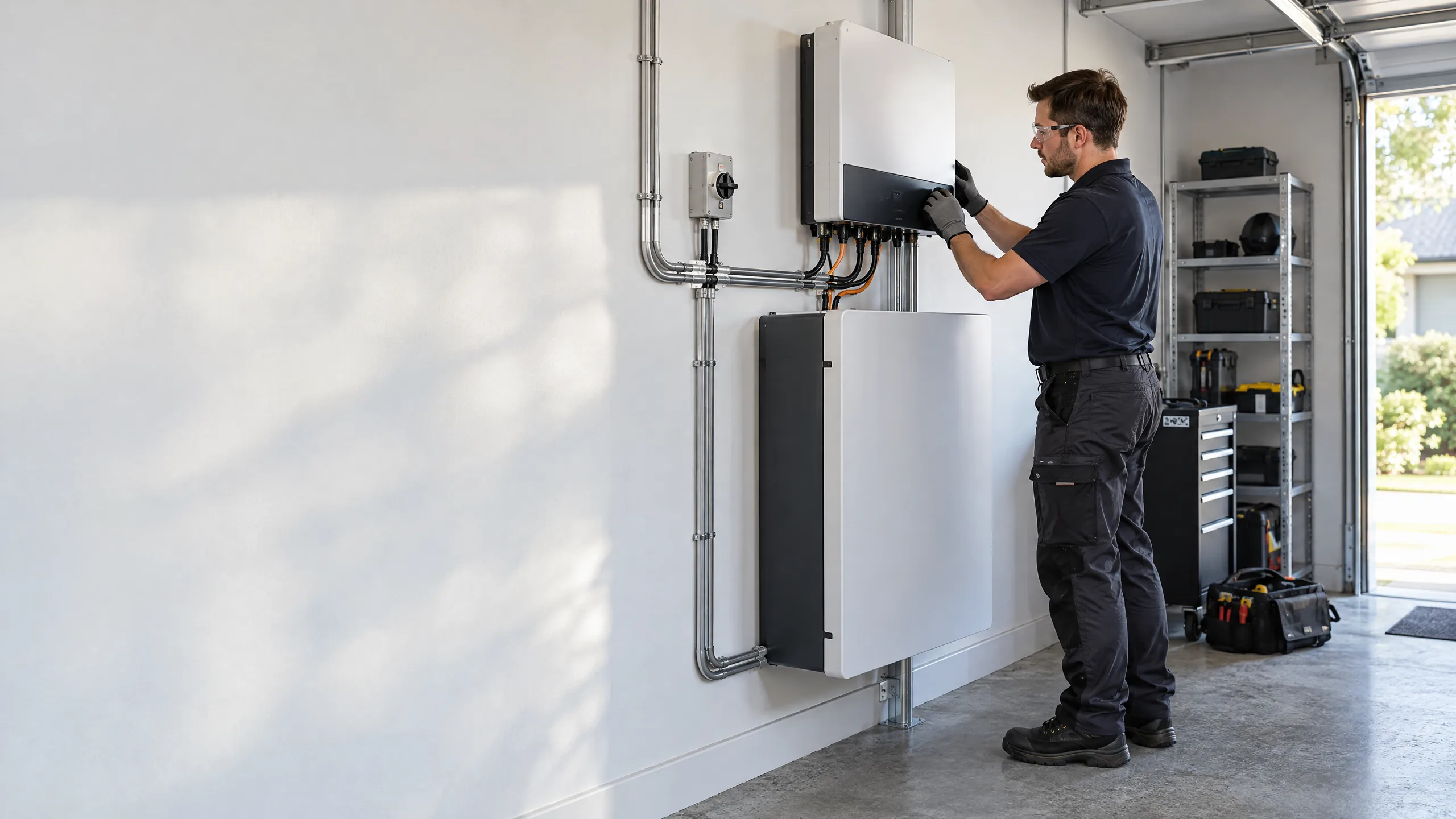
Solar Battery Installation
A battery sized to your evening load, installed with the right inverter and backup configuration.
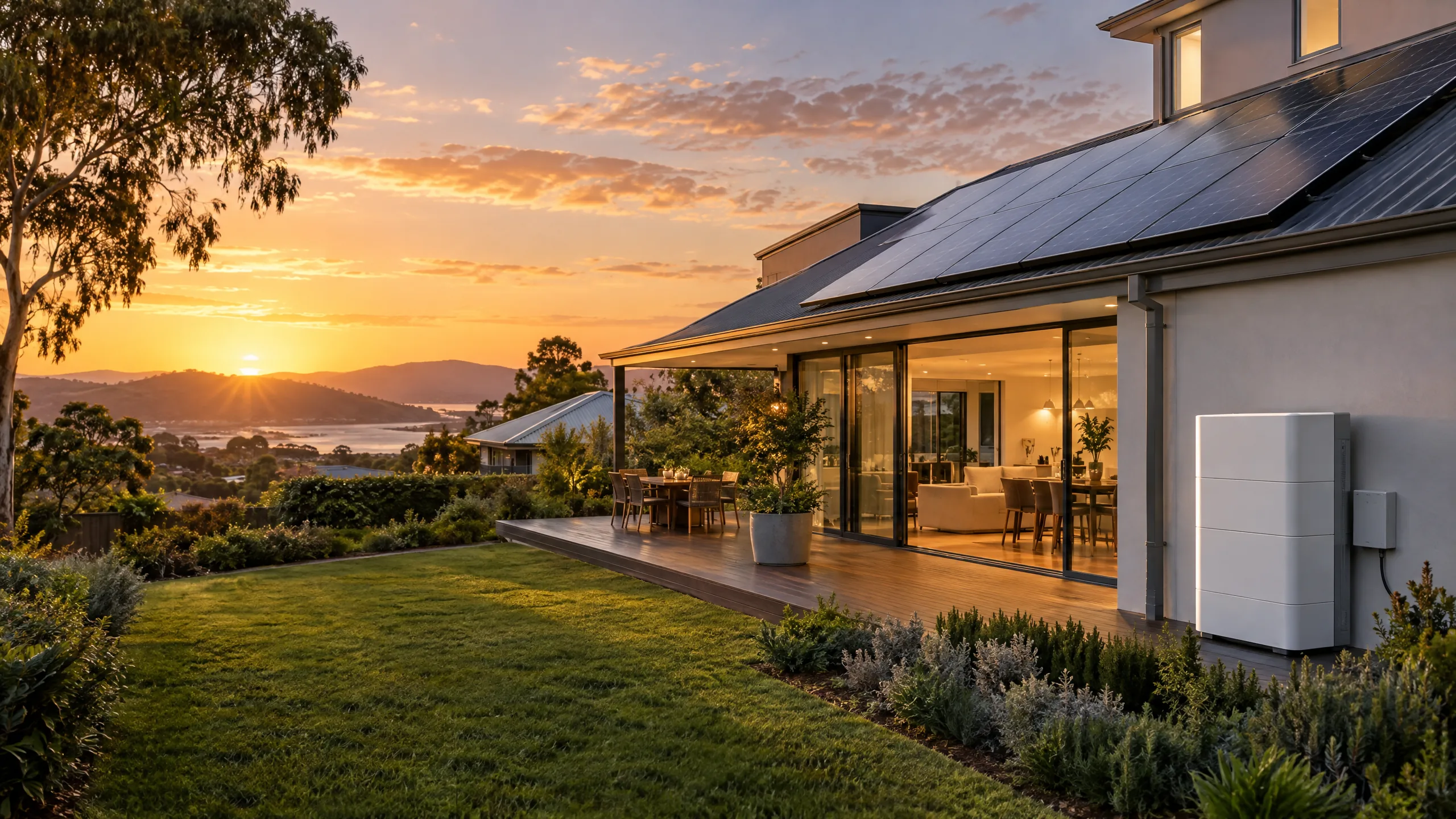
Solar + Battery Packages
A single designed package: panels, hybrid inverter and battery installed and commissioned together.
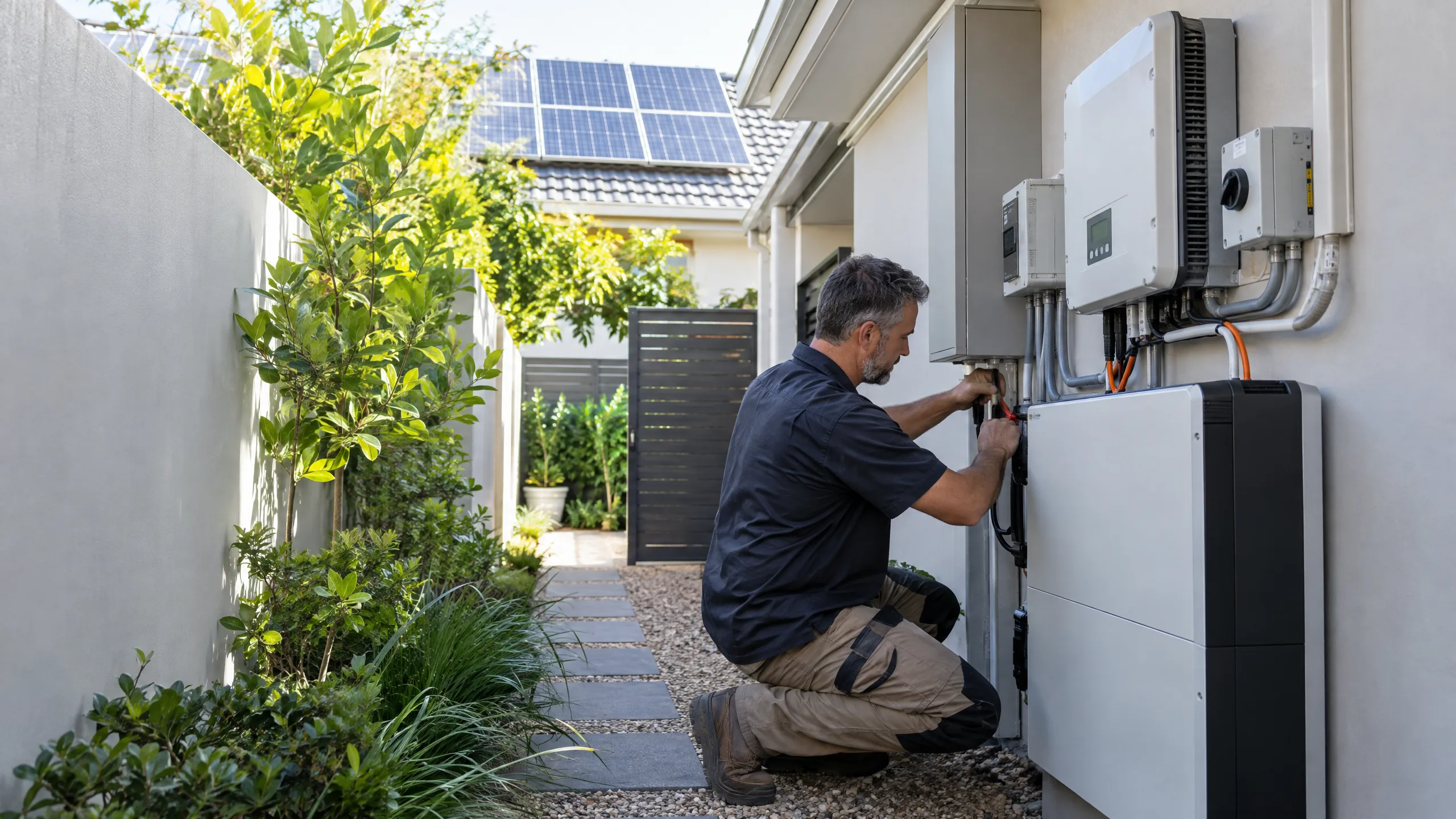
Add a Battery to Existing Solar
An AC-coupled battery or a hybrid inverter upgrade that adds storage without replacing working panels.
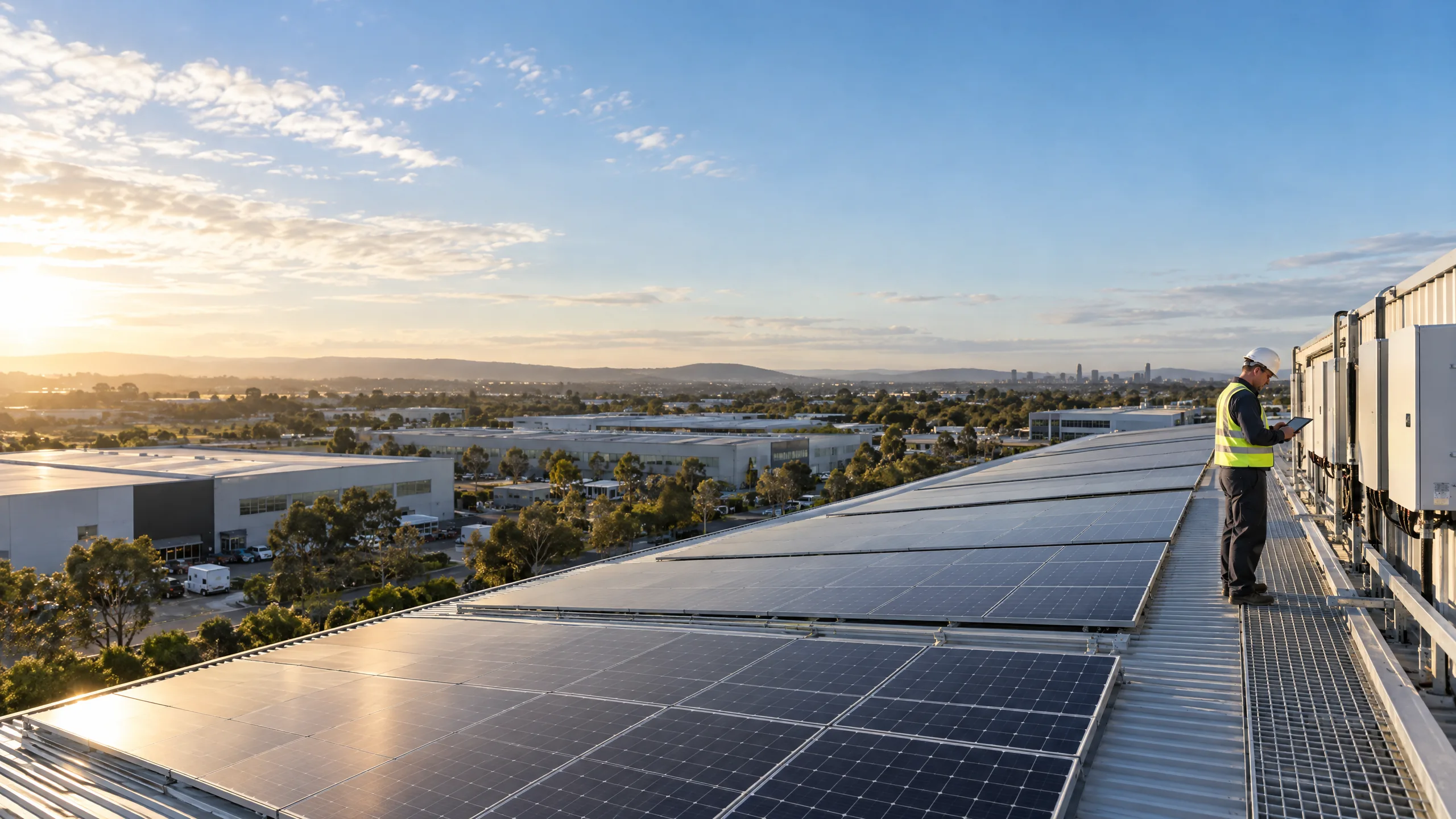
Commercial Solar
A commercial system designed around interval data, demand charges and roof structure, with a clear payback model.
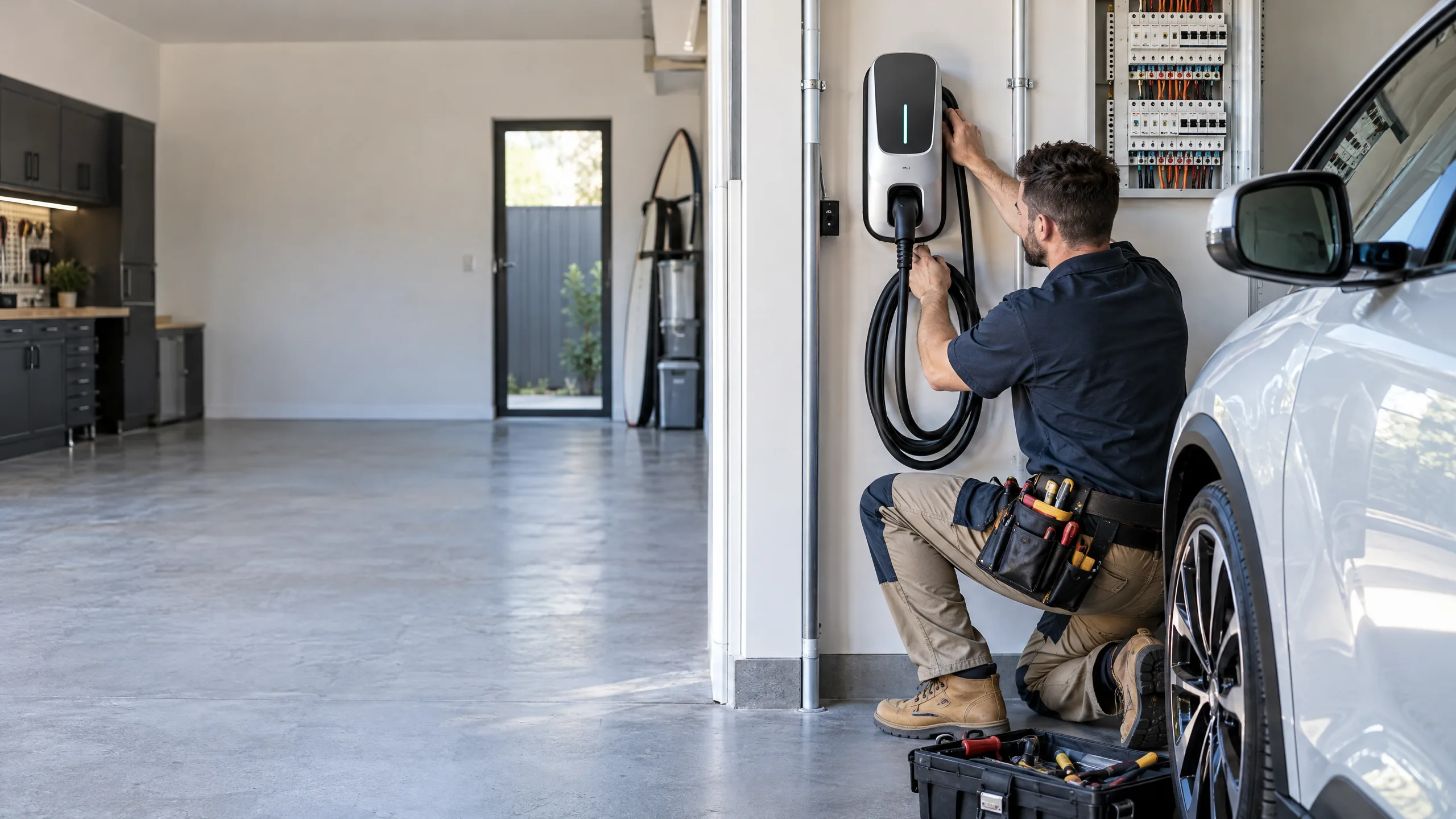
EV Charger Installation
A dedicated wall charger on its own circuit, ideally solar-aware so it soaks up surplus generation.
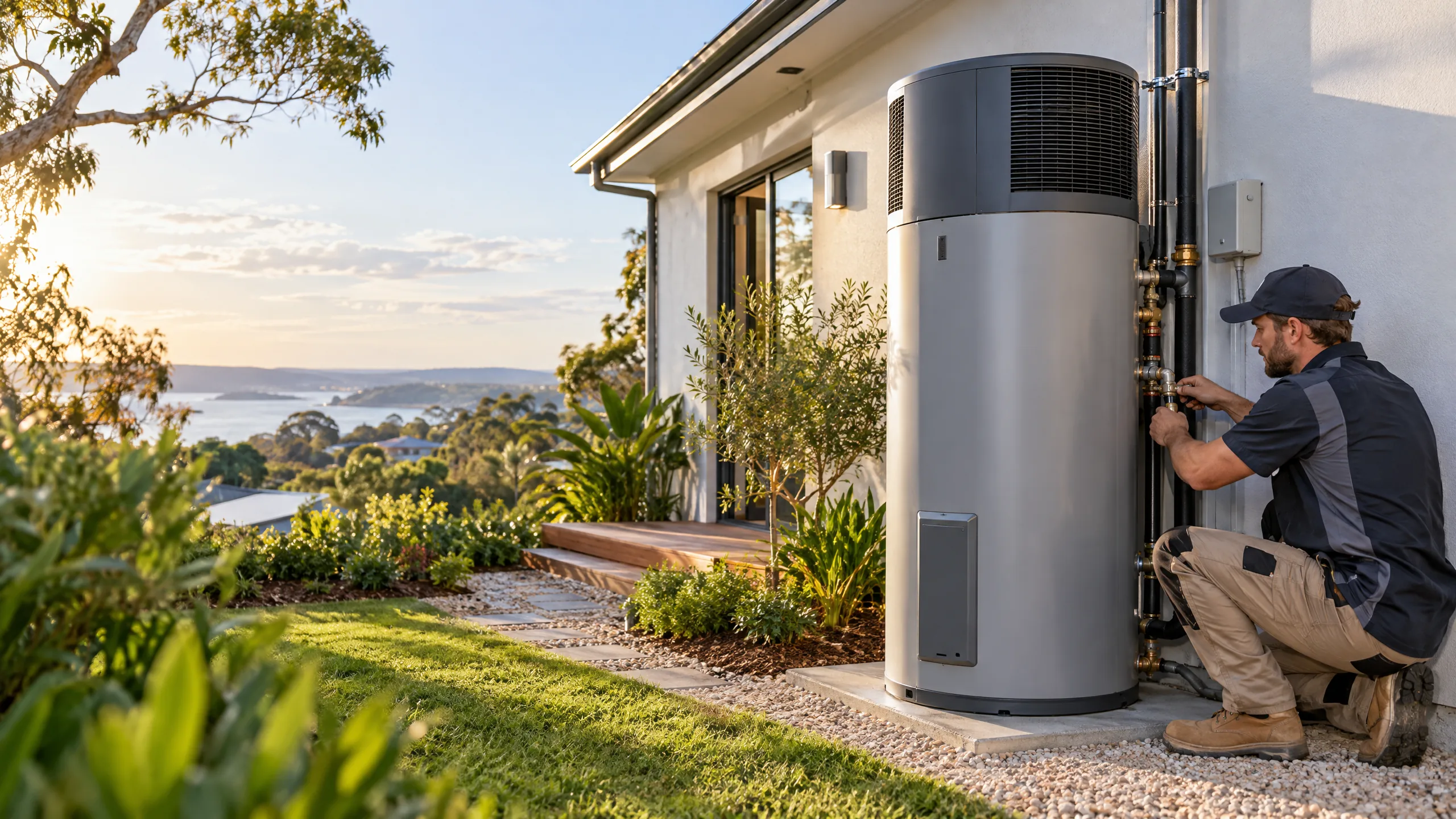
Heat Pump Hot Water
Heat Pump Hot Water in Epping, quoted in writing.
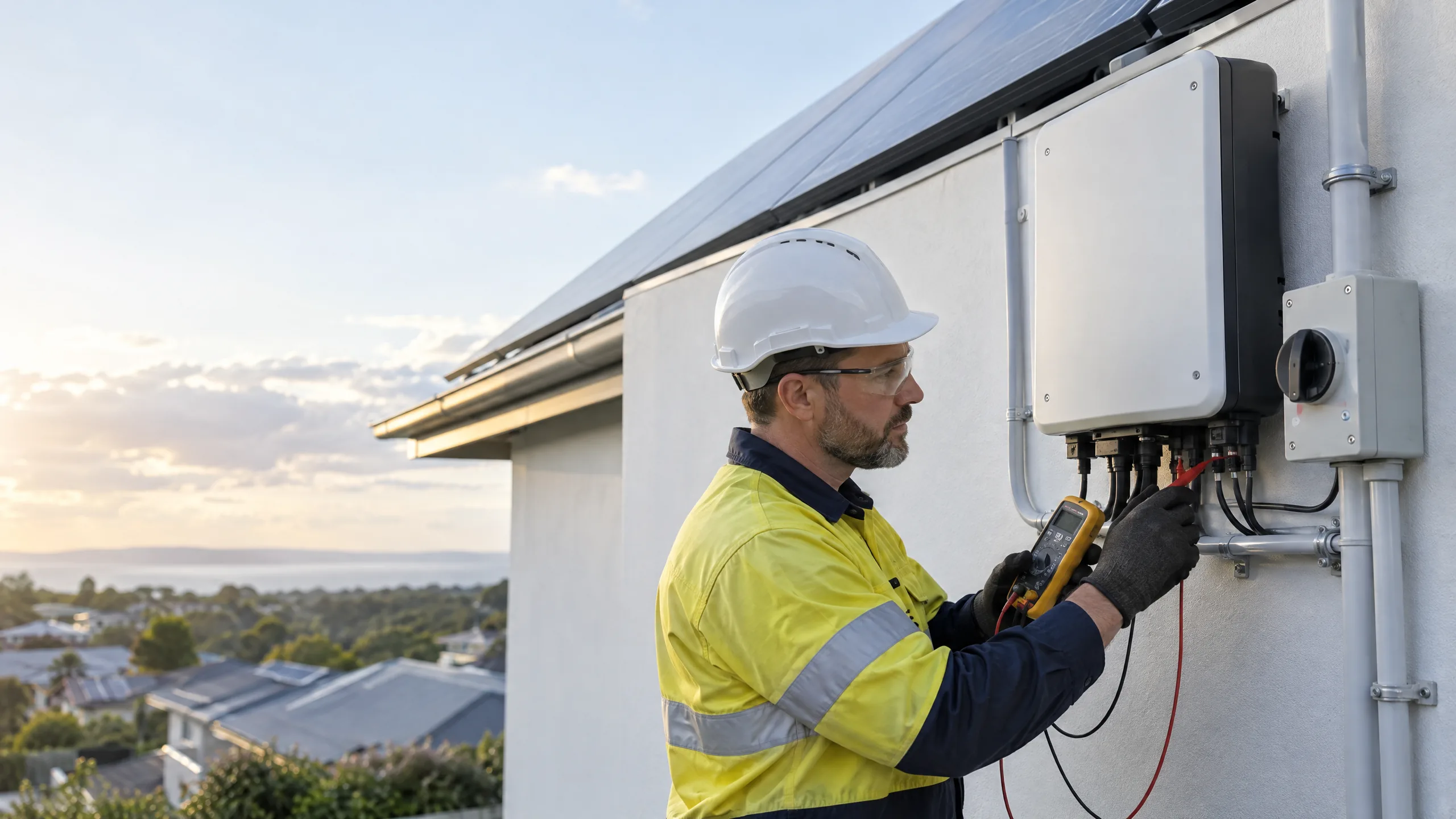
Solar Repairs & Maintenance
Solar Repairs & Maintenance in Epping, quoted in writing.
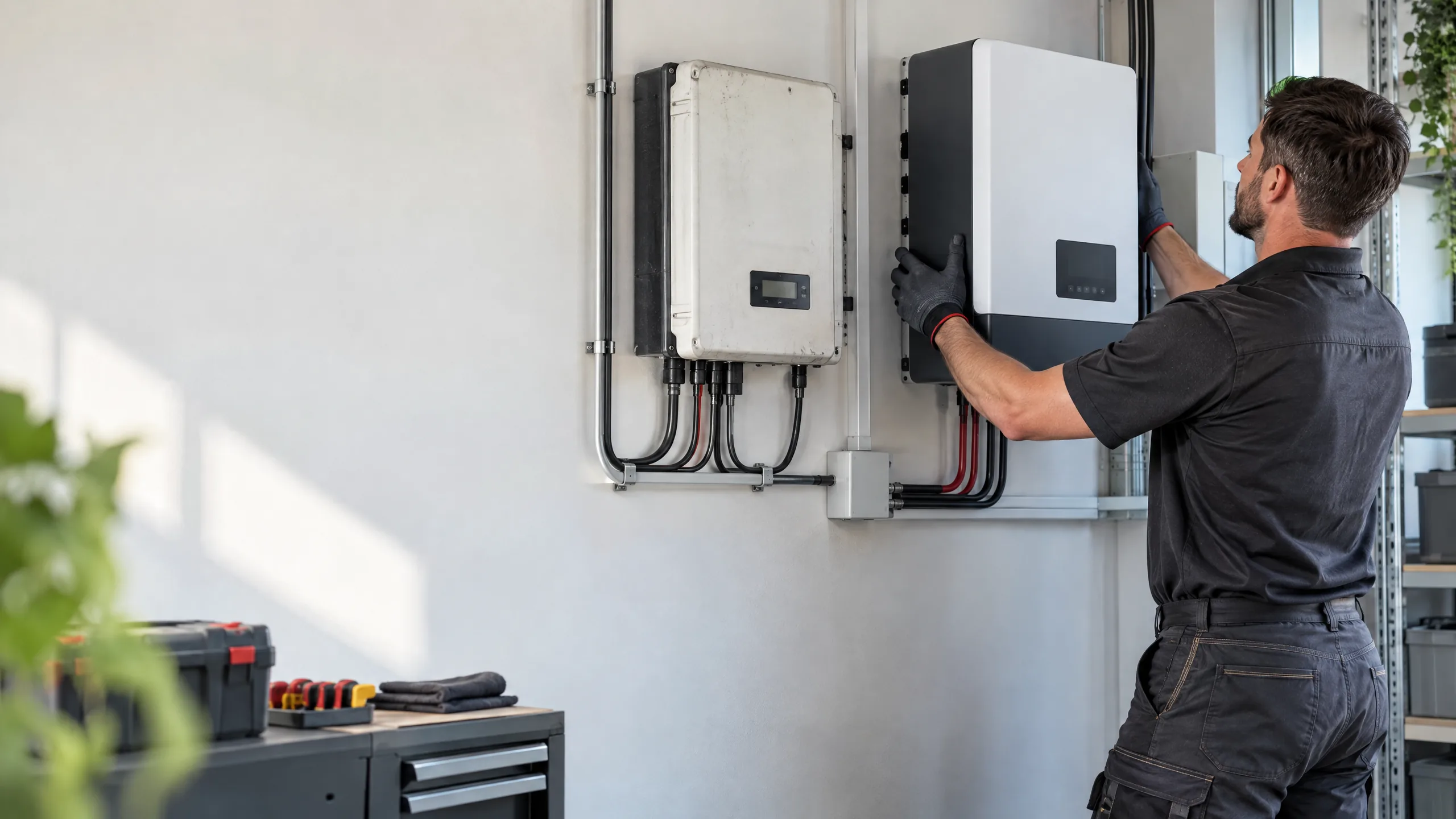
Inverter Replacement
Inverter Replacement in Epping, quoted in writing.
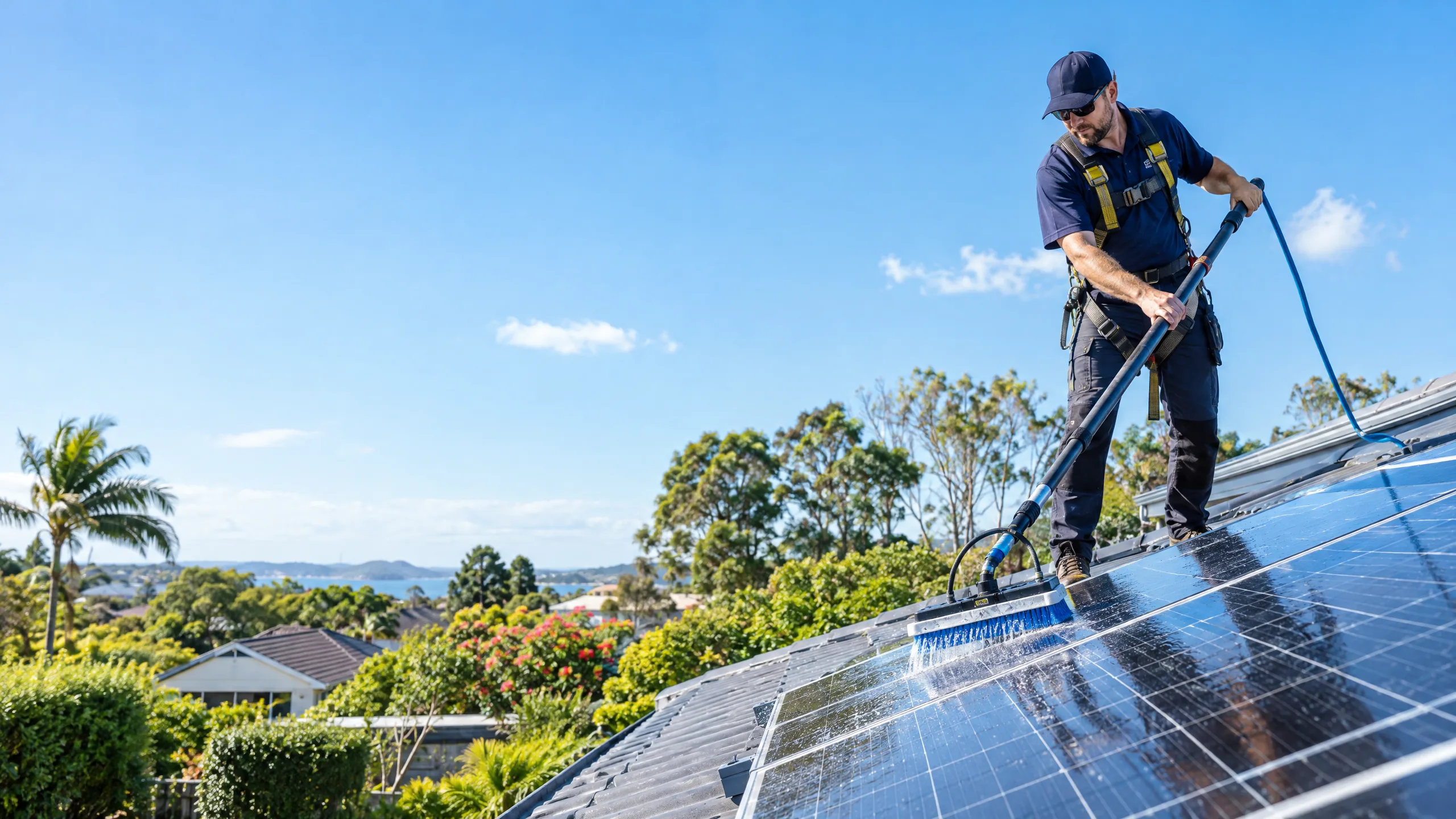
Solar Panel Cleaning
Solar Panel Cleaning in Epping, quoted in writing.
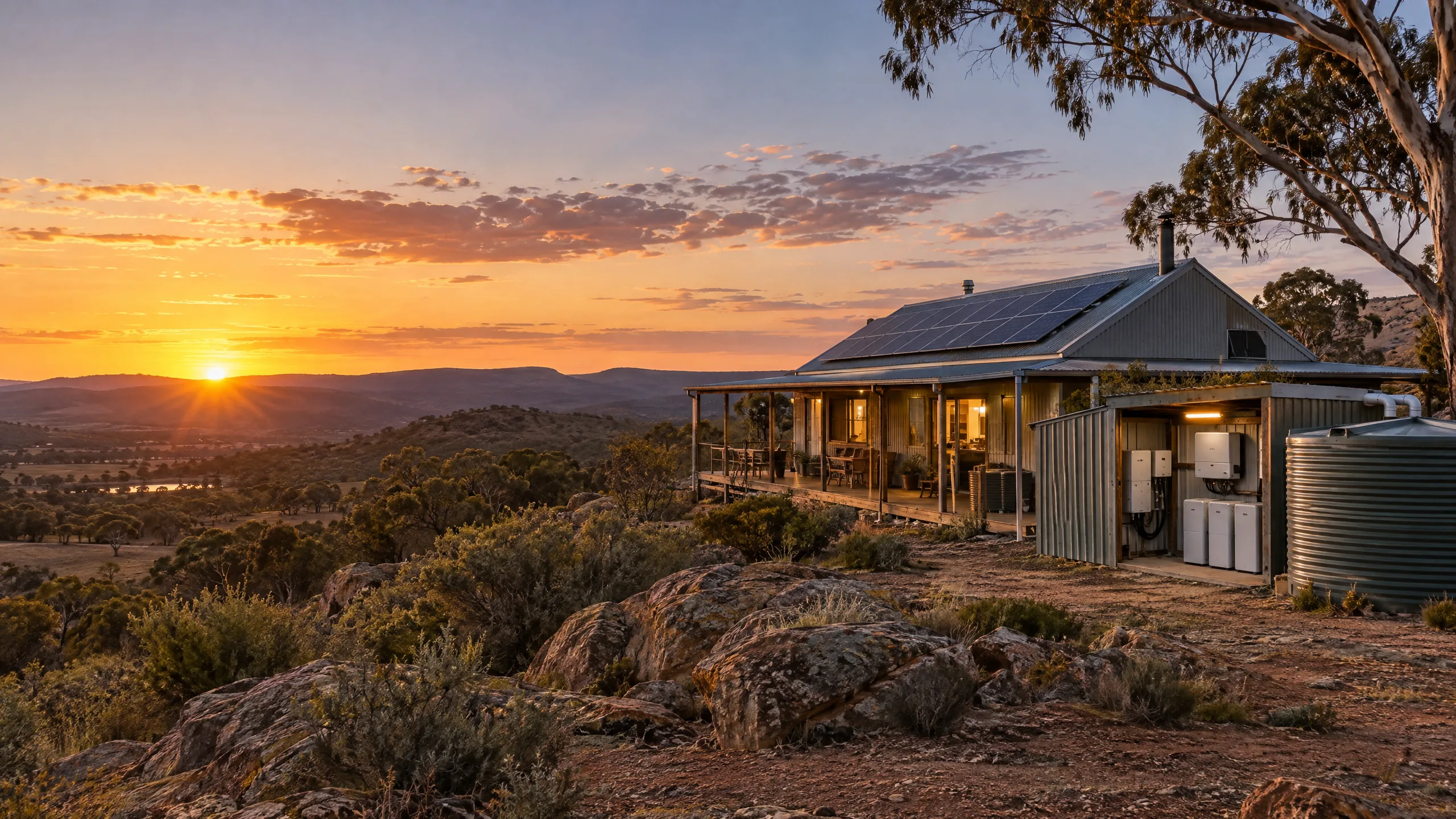
Off-Grid Solar Systems
Off-Grid Solar Systems in Epping, quoted in writing.
Homes & businesses
Residential and commercial solar in Epping
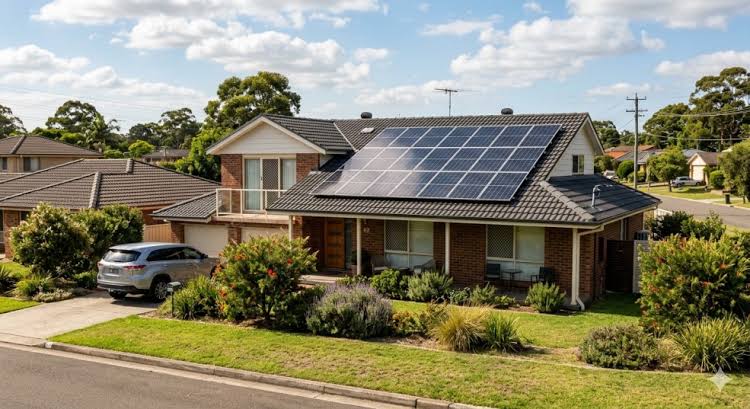
Residential solar
For homes: panels, batteries, packages and the upgrades that cut evening bills.
Commercial solar
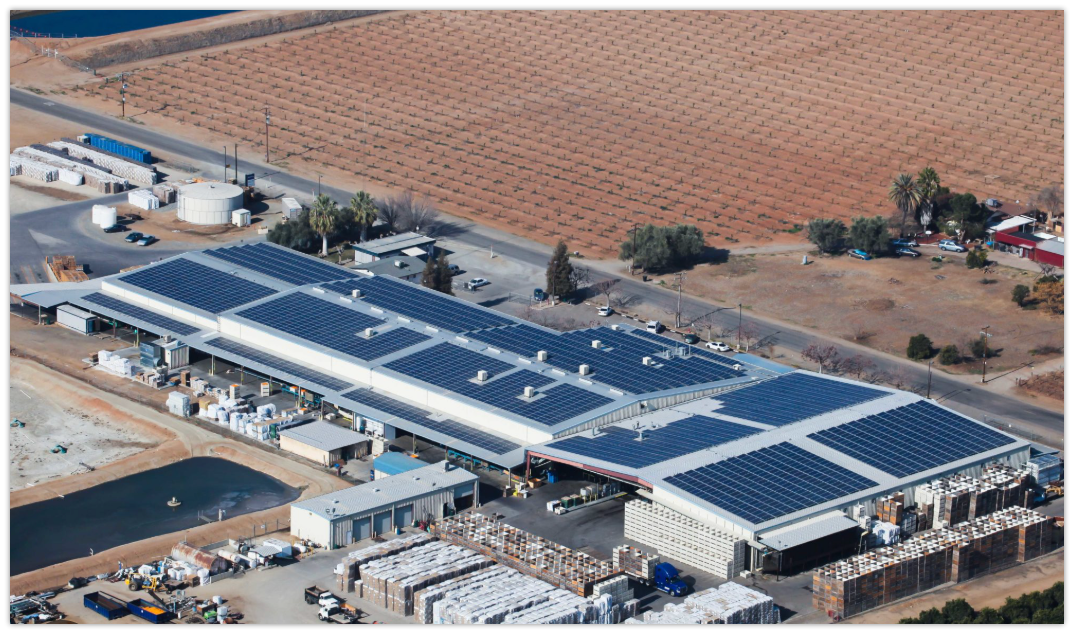
For businesses: larger systems sized to daytime load, with monitoring and tax-time paperwork.
Industries
Farms & AgricultureWarehouses & ManufacturingRetail & HospitalitySchools & ChildcareMedical & Dental ClinicsStrata & Apartment Buildings
Solar designed around your situation
Which situation best suits you?

Solar and battery rebates in Epping
What Victoria homes can claim right now, worked out for Epping.
About $1,482
STC discount on 6.6kW
Federal SRES · 39 certificates
About $3,402
Battery incentive on 13.5 kWh
Cheaper Home Batteries (conditions)
Up to $1,400 locally made, $1,000 other
Solar Victoria hot water rebate
Solar Victoria, from 1 July 2026
Amounts change on set dates (next step-down 1 Jan 2027), so confirm before you sign. Last checked 16 Oct 2026. All Victoria rebates →
How it works in Epping
Start with step one →-
01
1. Free site assessment
We visit your Epping home to check your roof (pitch, condition, shading), electrical panel, meter location, and mains supply. This step takes about 30 minutes and reveals real constraints—tree shade, structural limits, or switchboard age—that affect design and cost. No obligation; you get a written summary and next steps.
-
02
2. Design and quote
Based on the assessment and your electricity bills, we model several system sizes (typically 5–8 kW for Epping homes, producing 6,830–10,928 kWh a year). The quote includes panels, inverter, racking, isolators, labour, grid paperwork and monitoring setup. We subtract available STCs and rebates to show your net cost and payback timeframe.
-
03
3. Install and connect
Our accredited electricians install panels and inverter over 1–2 days, test the system, and lodge grid connection paperwork with Powercor. You get a monitoring app, a performance guarantee and handover training. Grid approval takes 5–10 working days; your system then exports surplus power to earn feed-in credits.
Pricing guide
How much does solar cost in Epping?
Costs in Epping, VIC 3076 depend on system size, roof type, panel brand, switchboard condition and available rebates. Most homes fall into the typical range; larger or complex systems (three-phase, full battery retrofit, or major electrical work) sit at the high end. Smaller 3–4 kW systems suit bill-conscious households. Always confirm current rebate amounts with the CER or Solar Victoria before deciding.
What affects your quote
- System size: 3–10 kW for homes; larger arrays cost more per watt
- Panel brand and efficiency: Tier-one panels (Jinko, Canadian, Trina) cost more than budget brands
- Inverter type: String inverters are cheapest; hybrid (battery-ready) and micro-inverters cost more
- Roof type and pitch: Tile or slate roofs need special fixings; very steep or low-pitch roofs cost extra to install safely
- Switchboard age and condition: Older boards may need upgrade circuits, isolators or full replacement ($500–$2,000)
- Electrical access: Long cable runs from roof to switchboard or meter increase labour and cable costs
| Job type | Low end | Typical | High end |
|---|---|---|---|
| Solar Panels | $4,000 | $6,750 | $9,500 |
| Solar Batteries | $7,000 | $11,000 | $15,000 |
| Solar + Battery | $12,000 | $19,000 | $26,000 |
| Battery Retrofit | $7,500 | $12,000 | $16,000 |
Pricing transparency: these ranges are market guidance, not quotes. Replace with verified local quote data as it comes in.
What’s included in a standard solar installation job?
Typically included
- Site assessment: roof condition, load capacity, shading, electrical access
- System design: sizing panels and inverter to your consumption and roof space
- Premium tier-one panels, matched inverter, mounting hardware and isolators
- Installation labour by accredited electrician; cable runs and switchboard isolator work
- Grid connection paperwork lodged with Powercor; performance warranty documentation
- Monitoring app setup and handover training; access to live performance data
Often excluded
- Major roof repairs or asbestos removal (quoted separately if needed)
- Switchboard upgrade beyond isolator circuits ($500–$2,000, quoted at assessment)
- Powercor meter or network equipment installation (their responsibility; may have fees)
- Ongoing cleaning, maintenance or repairs after handover (available as optional annual packages)
Always get scope in writing. Some older Epping homes have asbestos cement (Fibrolite) roofs. This is safe to install on; we do not remove or disturb it. If your roof condition is poor, structural repair is needed before panels go up. Switchboard faults discovered during assessment require electrician's quote before proceeding. Always confirm current STC, rebate and Cheaper Home Batteries amounts with the CER or Solar Victoria—these change on set dates.
Why Bill Saver Solar
Why Epping homeowners choose us

-
Accredited installers
SAA accredited installer, NETCC Approved Seller, Licensed electrical contractor.
-
2016 years in solar
Bill Saver Solar has been working on local roofs for 2016 years.
-
10 Years-year workmanship warranty
In writing, on top of the panel, inverter and battery manufacturer warranties.
-
Brands we install
Tesla Powerwall, Sigenergy, BYD, Alpha ESS, Enphase IQ Battery. We explain what each part does and why it suits your home.
-
Local office
Level 10, 14 Mason Street Dandenong VIC 3175.
-
Quick response
We aim to reply within Same Day Response.
Local solar numbers
What will a solar system do for a home in Epping?
A 6.6kW system in Epping should make about 9,016 kWh a year, roughly 25 kWh on an average day. The table below compares the sizes most homes choose, using Melbourne data, 20 km away.
| System | Output a year | Bill saving a year | STC discount | Typical price | Payback |
|---|---|---|---|---|---|
| 6.6kW | 9,016 kWh | — | $1,482 (39 STCs) | $4,500–$7,000 | — |
| 10kW | 13,660 kWh | — | $2,242 (59 STCs) | $6,500–$10,500 | — |
| 13kW | 17,758 kWh | — | $2,926 (77 STCs) | $8,500–$13,500 | — |
| 20kW | 27,320 kWh | — | $4,484 (118 STCs) | $13,240–$20,990 | — |
Output: PVWatts modelling for this area. Savings assume 25–35% of solar used at home; savings and payback show a dash until the local power price is verified. Prices are market guidance (after STCs), not quotes.
Local guide
Solar in Epping: local factors and climate
Epping, VIC 3076 is a major urban suburb about 19.8 km north of the CBD in the Whittlesea council area, home to 33,489 residents (2021 Census). The suburb sits on relatively flat terrain at low elevation. Most housing stock dates from 1960–2000: brick-veneer or weatherboard homes with pitched Colorbond or terracotta tile roofs, typically facing north or north-east. Flat-roof residential and commercial buildings are less common but present. Roofs are generally sound and well-suited to solar; tree shade from established eucalypts and acacias can affect output on some properties, especially in winter when sun angles are low.
Climate: Epping has a temperate oceanic pattern with hot, dry summers (December–February, often above 30 °C) and mild winters. Winter frosts are light (rarely below 0 °C). Annual rainfall is around 600 mm, falling mainly May–October. Summer dry spells mean panel cleaning becomes important—dust, pollen and occasional bird droppings reduce output by 15–25% until cleaned. Peak sun hours average 4.76 per day; a 6.6 kW system produces approximately 9,016 kWh annually. Spring and autumn can bring strong winds; modern racking systems are engineered to handle Melbourne's wind loads.
Electricity supply and network: Powercor operates the distribution network in most of Epping, with Ausnet in the eastern edge. Single-phase 230V supply is standard; three-phase is available but less common. Powercor approves grid-connected solar within 5–10 working days of paperwork lodging. Feed-in tariffs (credit for exporting surplus power) vary by retailer; most Epping households export 30–50% of their solar generation back to the grid, earning credits that offset grid imports in evening hours. Demand is highest winter evenings when solar production is lowest—a battery is particularly valuable during this season.
Council and heritage rules: Whittlesea Council requires solar installations to comply with planning scheme provisions; residential solar typically does not need approval if it is mounted on a pitched roof without altering the building's footprint. Some heritage-listed homes in Epping may face restrictions on panel placement or colour. Always check with Whittlesea Council or your property deed before committing if your home is heritage-listed or in a protected precinct. Energy Safe Victoria (ESV) oversees electrical safety; all work must comply with the Victorian electricity system standards.
Expect around 9,016 kWh a year from a 6.6kW array in Epping (nearest data point: Melbourne, 20 km): 1,366 kWh for every kW of panels.
Victoria programs that can apply in Epping: Solar Victoria hot water rebate (up to $1,400 locally made, $1,000 other — Same $150,000 income cap); Solar Victoria panel rebate (up to $1,400 — Combined household income $150,000 or less).
Epping is in the Whittlesea council area, with 33,489 residents at the 2021 Census and about 20 km from the CBD.
How to choose a solar installer in Epping
Red flags to watch for
- Phone quotes without a site visit; vague pricing ("from $5,000") that doesn't match your actual needs
- No mention of switchboard assessment or electrical upgrade costs; surprise $1,500 quote after installation begins
- Installer not NETCC Approved or electricians not SAA accredited; cannot provide accreditation proof
- Pressure to commit same-day or claims of limited-time discounts; legitimate solar installers give you time to decide
- Refusal to provide a written detailed quote or performance guarantee; evasive answers about warranty terms or monitoring
- Promise to handle rebates or STCs but no clear process; pressure to pay full price and wait for refunds
- 01
Check SAA accreditation and NETCC Approved Seller status
All electricians must hold current SAA accreditation for solar installation. The installer should be a NETCC Approved Seller in Victoria to handle grid connection and warranty compliance. Ask to see certificates; you can verify status with Energy Safe Victoria. This is not optional—unaccredited work voids your warranty and may breach building code.
- 02
Inspect their monitoring and warranty terms
Ask for a live demo of the monitoring app and the performance guarantee document. A reputable installer warrants panels for 25 years (product) and 10 years (labour/workmanship), and inverters for 5–10 years. Read the fine print: some warranties only pay if panels drop below 80% output; others cover full replacement. Understand what happens after 5 years if the inverter fails—do you pay labour out of pocket?
- 03
Ask for a detailed site assessment and written quote
Never accept a phone-only quote. A responsible installer visits your Epping home, checks roof condition, shading, electrical setup and switchboard, then provides a written quote breaking down panels, inverter, labour, GST and rebate deductions. The quote should list the specific panel model and wattage, inverter make/model, and any electrical upgrade costs. Vague quotes ("about $7,000") are red flags.
- 04
Ask about local experience and references
Has the installer completed projects in Epping or nearby suburbs (Lalor, Thomastown, Bundoora)? Do they understand Whittlesea Council requirements, Powercor procedures and Melbourne climate challenges? Ask for references from recent Epping customers and follow up with at least two. Poor references or evasiveness is a warning.
- 05
Clarify switchboard and electrical upgrade costs upfront
Many older Epping homes need switchboard isolators, circuit breakers or a full upgrade. This can add $500–$2,000. Ask your installer: Will the site assessment identify this? Is the upgrade quoted separately? Can they do the work or must you hire another electrician? Not discussing this in advance leaves you vulnerable to unexpected costs.
- 06
Understand grid connection and feed-in arrangements
Ask who lodges the grid connection paperwork with Powercor and who follows up if it stalls. Confirm the installer can arrange your feed-in tariff (credit for exporting power). Some installers leave you to negotiate with your retailer; others handle it. A 1–2 week delay in grid approval is normal; 4+ weeks suggests a problem. Installer should own this timeline.
- 07
Confirm rebate eligibility and don't pay upfront for certificates or rebates
Ask the installer to confirm your eligibility for Solar Victoria (income cap $150,000) and federal programs before you commit. They should deduct STCs (Small-scale Technology Certificates, ~$1,482 for a 6.6 kW system) from your invoice immediately—never pay full price and wait for a rebate to arrive later. If a rebate requires paperwork, the installer should complete it. Always confirm current STC and rebate amounts with the Clean Energy Regulator—these change.
Brands we install
Brands we install
Ask us about current stock and warranty terms for each brand.
- Panels
- Jinko →Trina →LONGi →AikoRECCanadian Solar →SunPower (Maxeon)
- Batteries
- Tesla PowerwallSigenergy →BYDAlpha ESS →Enphase IQ BatterySungrow SBR →FranklinWH
How much power does a 6.6kW solar system produce in Epping?
How much is the STC rebate on a 6.6kW system in Epping?
How many homes in Epping have solar panels?
How much does solar cost in Epping?
How much does solar cost in Epping, Victoria?
How much solar energy will I generate in Epping?
Do I qualify for rebates or incentives in Epping?
How long does solar installation take in Epping?
What roof type does my Epping house have, and does it suit solar?
Will I need a new switchboard or electrical upgrade for solar and battery?
What happens if I go off-grid or add a battery to existing solar in Epping?
Ready to cut your power bills in Epping?
Get a free, no-obligation solar assessment and a written, itemised quote.
Accredited installers — SAA accredited installer, NETCC Approved Seller, Licensed electrical contractor.
2016 years in solar — Bill Saver Solar has been working on local roofs for 2016 years.
10 Years-year workmanship warranty — In writing, on top of the panel, inverter and battery manufacturer warranties.
Brands we install — Tesla Powerwall, Sigenergy, BYD, Alpha ESS, Enphase IQ Battery. We explain what each part does and why it suits your home.