
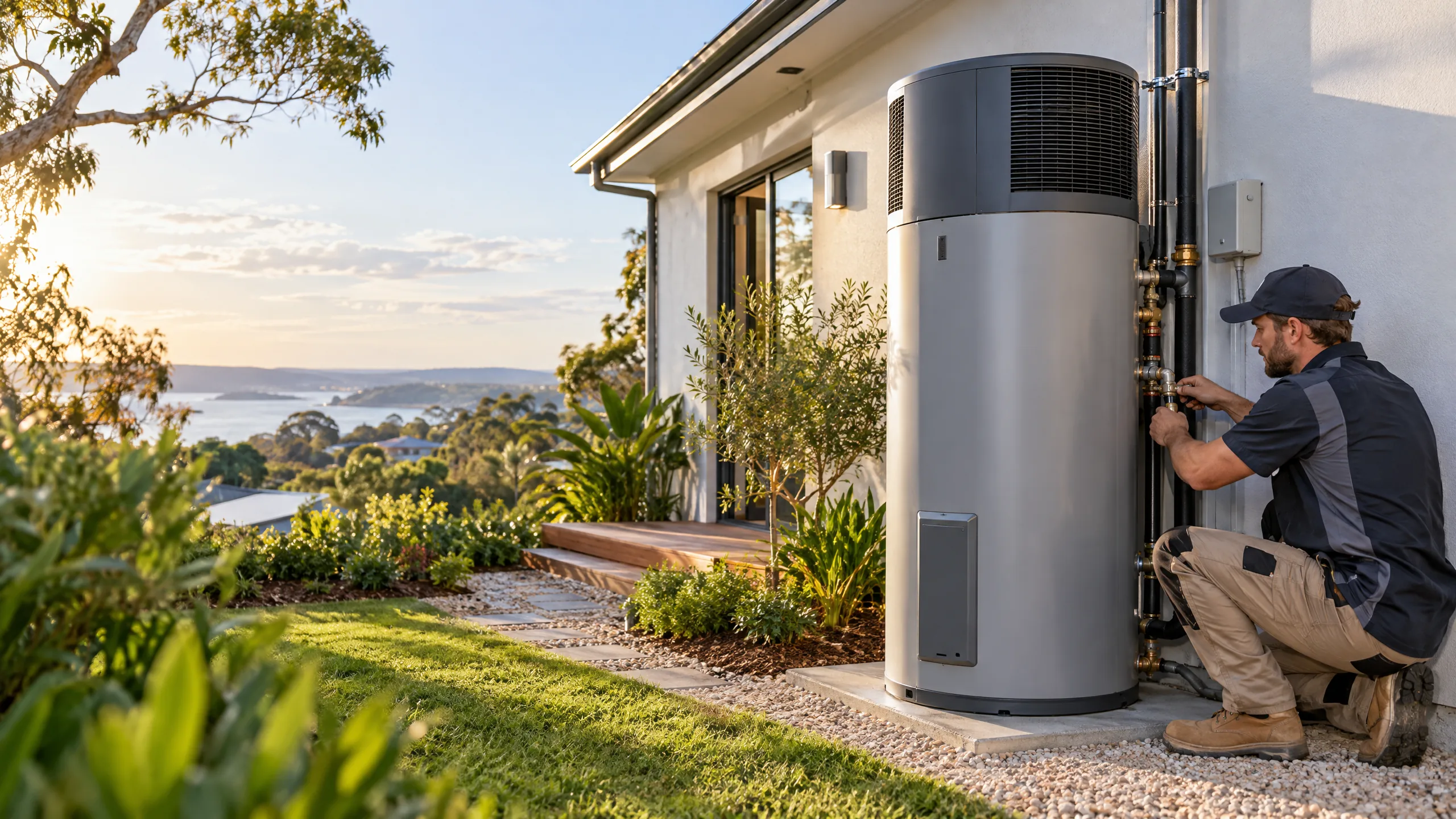
Hot water solutions for Victorian homes
Heat Pump Hot Water in Victoria
Lower running costs and reliable supply, installed by a licensed electrician.
Switching from electric storage or gas to a heat pump means paying less to heat water and cutting your energy bills. Victorian homes in older suburbs like Brunswick and Coburg face higher electric tariffs and ageing distribution networks; a heat pump works in cold winters too. Bill Saver Solar handles the full job: assessment, written quote, installation by an accredited electrician, safety testing and warranty documents. Rebates up to $1,400 may apply.
Choose your suburb
Melbourne · West
- Caroline Springs 3023
Melbourne · South East
- Berwick 3806
- Cranbourne 3977
- Clyde 3978
- Narre Warren 3805
- Botanic Ridge 3977
Melbourne · North
- Craigieburn 3064
Melbourne · Inner
- Melbourne 3000
Melbourne · East
- Glen Waverley 3150
- Ferntree Gully 3156
- Croydon 3136
- Wantirna 3152
- Blackburn 3130
- Wheelers Hill 3150
Melbourne · North East
- Epping 3076
- Bundoora 3083
- Mill Park 3082
- Thomastown 3074
- Lalor 3075
- Whittlesea 3757
- Mernda 3754
Geelong area
- Highton 3216
- Torquay 3228
- Armstrong Creek 3217
- Geelong 3220
Ballarat area
- Ballarat 3350
Mornington Peninsula
- Mornington 3931
- Mount Martha 3934
- Mount Eliza 3930
Heat pump hot water is a cost-effective choice for Victorian homes, especially when you factor in state and federal rebates.
Victoria's distribution network operator is Powercor in regional areas and United Energy in the south-east; both charge higher tariffs during peak hours, which makes heat pumps attractive because they can run off-peak or during solar generation. Inner suburbs like Brunswick, Coburg and Fitzroy have older housing stock from the 1920s–1960s with small roof spaces and high power demand; heat pumps there often replace failing electric storage tanks and pair with existing or new solar systems. Regional areas like Ballarat, Bendigo and the Dandenong Ranges experience colder winters and drier conditions—a well-sized heat pump with backup heating handles frost reliably.
Most Victorian homes use a 270L tank for a household of three to four people. Switching from electric storage saves $30–$50 per month on average; switching from gas saves even more in lower-tariff areas, though gas tariffs vary by suburb. The payback period is typically 5–8 years once rebates are claimed. Bill Saver Solar provides a full breakdown of your expected running costs and rebate eligibility during the quote phase.
Installation timelines depend on complexity: a straightforward replacement of like-for-like tank takes 1–2 days; a site upgrade with electrical work takes longer. Victorian councils occasionally require permits for tank relocation or new rooftop mounts, especially in heritage areas; Bill Saver Solar checks requirements for your postcode and advises upfront.
⏳ Deadlines
- Cheaper Home Batteries steps down in 38 days (1 January 2027)About $252/kWh for the first 14 kWh, $151/kWh to 28 kWh and $38/kWh to 50 kWh (2026 rate) Source: DCCEEW Cheaper Home Batteries, from 1 May 2026 · checked 2026-10-16
- STC discount on new solar shrinks in 38 days (1 January 2027)about 20% less than this year (one fewer deeming year) Source: Clean Energy Regulator (small-scale technology certificates) · set by law
How quickly can someone come out?
Do I need a licensed electrician for this work?
Should I get more than one quote?
How much does a heat pump hot water system cost in Victoria?
What rebates are available for heat pump hot water in Victoria?
Do heat pump hot water systems work in cold Victorian winters?
What's involved in a heat pump hot water installation?
Should I replace my gas hot water system with a heat pump?
Can I combine solar panels with a heat pump hot water system?
What if my roof or switchboard isn't suitable for a heat pump?
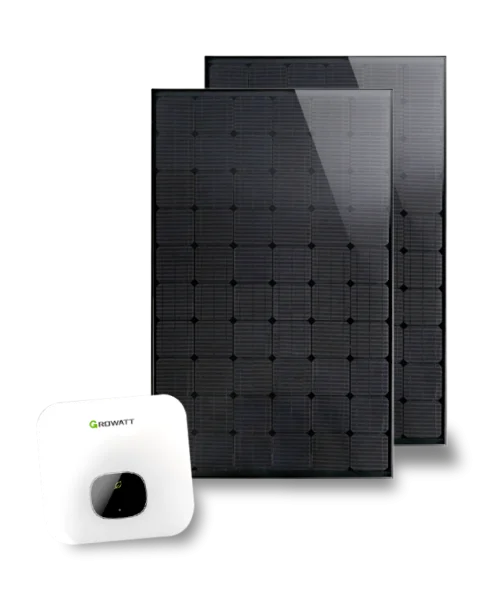
Get a written quote from Bill Saver Solar
Contact Bill Saver Solar for an on-site or remote assessment and a detailed, itemised price. No hidden costs, no pressure.