
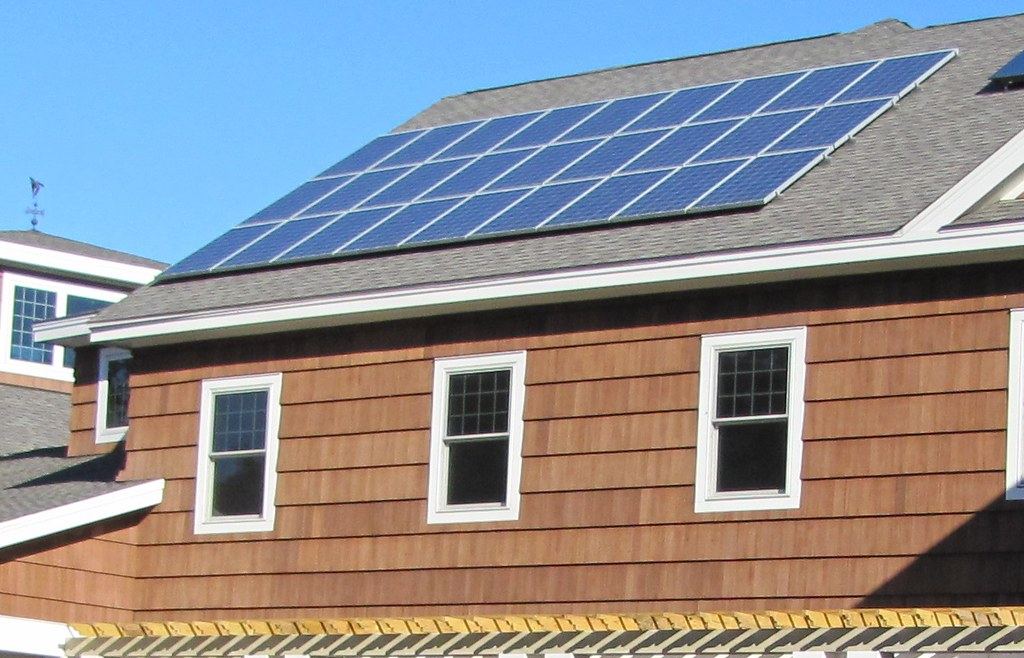
Solar Power for Victoria
Solar Panels & Batteries for Victorian Homes
Accredited installation across Melbourne and regional Victoria.
Victoria's grid electricity keeps rising, and most rooftop solar potential goes wasted without storage. Bill Saver Solar pairs tier-one panels with matched inverters and accredited electrician installation. We handle site assessment, design, paperwork and monitoring setup. Work with a local team who knows Victorian roof types, climate and network rules. Contact us for a free assessment.
Choose your suburb
Melbourne · West
- Caroline Springs 3023
Melbourne · South East
- Berwick 3806
- Cranbourne 3977
- Clyde 3978
- Narre Warren 3805
- Botanic Ridge 3977
Melbourne · North
- Craigieburn 3064
Melbourne · Inner
- Melbourne 3000
Melbourne · East
- Glen Waverley 3150
- Ferntree Gully 3156
- Croydon 3136
- Wantirna 3152
- Blackburn 3130
- Wheelers Hill 3150
Melbourne · North East
- Epping 3076
- Bundoora 3083
- Mill Park 3082
- Thomastown 3074
- Lalor 3075
- Whittlesea 3757
- Mernda 3754
Geelong area
- Highton 3216
- Torquay 3228
- Armstrong Creek 3217
- Geelong 3220
Ballarat area
- Ballarat 3350
Mornington Peninsula
- Mornington 3931
- Mount Martha 3934
- Mount Eliza 3930
Why solar makes sense in Victoria right now.
Victoria's power costs continue to climb, making rooftop solar more attractive each year. A correctly sized system with quality panels and a clean install by an accredited electrician cuts your grid reliance and locks in long-term savings. Most Victorian homes have suitable north-facing or north-west-facing roof space; older weatherboard and tile roofs are common and work well.
Federal Small-scale Technology Certificates (STCs) give an upfront discount on purchase price—the Clean Energy Regulator calculates your rebate using system size, your location zone, and current STC pricing. Many Victorian homeowners also qualify for state rebates: Solar Victoria offers up to $1,400 for solar panel systems (from 1 July 2026), and the federal Cheaper Home Batteries Program covers battery storage at $252/kWh for the first 14 kWh, then $151/kWh to 28 kWh (2026 rate from 1 May 2026). Always confirm current amounts with the Clean Energy Regulator or Solar Victoria.
Our team includes SAA-accredited electricians and designers familiar with Victorian council planning, heritage overlays, and body corporate rules. We manage grid connection paperwork with Powercor, Ausnet or SP Ausnet depending on your area, and set up your monitoring app before handover.
Services in Victoria
Prices, rebates and what to check — written for Victoria.
⏳ Deadlines
- Cheaper Home Batteries steps down in 38 days (1 January 2027)About $252/kWh for the first 14 kWh, $151/kWh to 28 kWh and $38/kWh to 50 kWh (2026 rate) Source: DCCEEW Cheaper Home Batteries, from 1 May 2026 · checked 2026-10-16
- STC discount on new solar shrinks in 38 days (1 January 2027)about 20% less than this year (one fewer deeming year) Source: Clean Energy Regulator (small-scale technology certificates) · set by law
Local solar data
How much power does solar make in Victoria?
Each kW of panels in Victoria makes about 1,366 kWh a year (Melbourne data). That means a 6.6kW system makes around 9,016 kWh a year, or about 25 kWh on an average day. Melbourne averages 4.8 peak sun hours a day.
Figures use PVWatts modelling for a north-facing (south-facing in the northern hemisphere) roof at 20°. Your actual output depends on shade, roof direction and the panels you choose.
| City | Network | kWh per kW a year | Sun hours a day | Grid price per kWh | Yearly saving, 6.6kW |
|---|---|---|---|---|---|
| Melbourne VIC | — | 1,366 | 4.76 | — | — |
Incentives that apply in Victoria
National · battery
Cheaper Home Batteries
About $252/kWh for the first 14 kWh, $151/kWh to 28 kWh and $38/kWh to 50 kWh (2026 rate)
Battery 5–100 kWh, able to join a VPP, connected to rooftop solar
Source: DCCEEW Cheaper Home Batteries, from 1 May 2026 · checked 2026-10-16
National · solar
Small-scale Technology Certificates (STCs)
Upfront discount: kW × zone multiplier × deeming years × STC price
Systems up to 100kW installed by an SAA-accredited installer
Source: SRES: zone multiplier × 5-year deeming × $38 per STC · checked 2026-10-16
VIC · hot water
Solar Victoria hot water rebate
up to $1,400 locally made, $1,000 other
Same $150,000 income cap
Source: Solar Victoria, from 1 July 2026 · checked 2026-10-16
VIC · solar
Solar Victoria panel rebate
up to $1,400
Combined household income $150,000 or less
Source: Solar Victoria, from 1 July 2026 · checked 2026-10-16
Sources: PVWatts v8 (north-facing 20°, 14% losses, nearest station) · SRES: zone multiplier × 5-year deeming × $38 per STC · DCCEEW Cheaper Home Batteries, from 1 May 2026 · Solar Victoria, from 1 July 2026
Do you cover all of Victoria?
How long does a home solar installation take?
What size solar system do I need?
How much does a solar system cost in Victoria?
What rebates and incentives are available for solar in Victoria?
Do I need council approval for solar panels in Victoria?
Which electricity network operator serves my area?
Can I add a battery to my existing solar system?
What maintenance do solar panels need in Victoria?
How long does a solar installation take in Victoria?
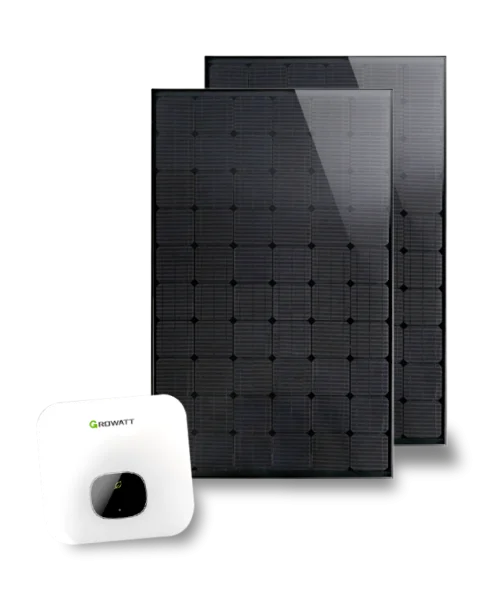
Ready to go solar in Victoria?
Book a free site assessment. No obligation, no pressure. We'll check your roof, estimate your savings and explain your rebate options.