
VIC · STC zone 4 · 4.76 sun hrs/day · Mill Park 3082
Solar Panels & Batteries in Mill Park
Accredited installation, design and support from local electricians
Quick answer
A 6.6kW solar system in Mill Park costs about $4,500–$7,000 after the $1,482 STC discount and makes around 9,016 kWh a year. 174 homes in postcode 3082 added solar in the last 12 months (Clean Energy Regulator).
Electricity bills rise every year while most of what your roof could generate goes unused. A properly sized solar system with quality panels, a matched inverter and installation by an accredited electrician puts that power to work. Bill Saver Solar handles site assessment, system design, installation and grid paperwork so you can monitor what you produce from day one.
What solar costs and makes in Mill Park
| System | Output a year | STC discount | Price after STCs |
|---|---|---|---|
| 6.6kW | 9,016 kWh | $1,482 | $4,500–$7,000 |
| 10kW | 13,660 kWh | $2,242 | $6,500–$10,500 |
| 13kW | 17,758 kWh | $2,926 | $8,500–$13,500 |
PVWatts output (Melbourne data, 19 km away) · STCs at zone 4 · prices are market guidance, not quotes. Savings & monthly output ↓
- SAA accredited electricians
- Design to grid connection included
- NETCC Approved Seller
3,271
solar systems in postcode 3082 since 2001
340
home batteries added in postcode 3082, last 12 months
1,366
kWh per kW of panels a year
5 km
to Bundoora, Lalor, Thomastown
⏳ Deadlines
- Cheaper Home Batteries steps down in 38 days (1 January 2027)About $252/kWh for the first 14 kWh, $151/kWh to 28 kWh and $38/kWh to 50 kWh (2026 rate) Source: DCCEEW Cheaper Home Batteries, from 1 May 2026 · checked 2026-10-16
- STC discount on new solar shrinks in 38 days (1 January 2027)about 20% less than this year (one fewer deeming year) Source: Clean Energy Regulator (small-scale technology certificates) · set by law
Before going solar
What stops Mill Park homeowners from installing solar?
Homeowners in Mill Park face real barriers when deciding whether to go solar.
-
Choosing the right size is confusing
Too small a system leaves you buying expensive grid power at night. Too large wastes money on panels you don't need. Most people don't know how to balance panel size, battery capacity and budget.
-
Worries about roof damage and leaks
Homeowners fear solar installation will damage roof tiles or lead to leaks. Mill Park's older brick and tile homes have varied roof conditions, and bad installation can cause real water damage.
-
Fear of unexpected costs after installation
Many people don't know what paperwork or fees come after their system is switched on. Hidden costs for grid connection, CER lodgement or council approval can surprise buyers.
-
Uncertainty about rebates and incentives
Rebate rules change every 1–2 years, and some households qualify for federal STCs while others also qualify for Solar Victoria schemes. It's hard to know what you'll actually save.
-
We design around your actual usage
Bill Saver Solar pulls your power bills, models your consumption hour by hour, and recommends the system size that maximises your return. Your monitoring app shows you exactly what you're using and producing, so you learn your patterns.
-
Accredited electricians do it right
Bill Saver Solar's SAA accredited electricians inspect your roof structure before quoting, use industry-standard flashing and sealant, and test for leaks before signing off. Your system comes with a warranty that covers both panels and installation workmanship.
-
All costs and paperwork are included upfront
Bill Saver Solar's quote includes design, installation, grid connection paperwork, Energy Safe Victoria approval and STC lodgement. There are no hidden fees. Your monitoring setup and handover are included too.
-
We identify your eligible rebates
Bill Saver Solar checks your household income, roof type and system size to confirm whether you can claim STCs, the Cheaper Home Batteries rebate, or Solar Victoria panel and hot water rebates. We update your quote with the latest incentive amounts before you sign.
Ready to stop paying too much for electricity?
174 homes in postcode 3082 added solar in the last 12 months (Clean Energy Regulator).
Our services
Every solar & battery service we offer in Mill Park
Choose a service to see local prices, what is included and what affects the quote.
Solar Panel Installation
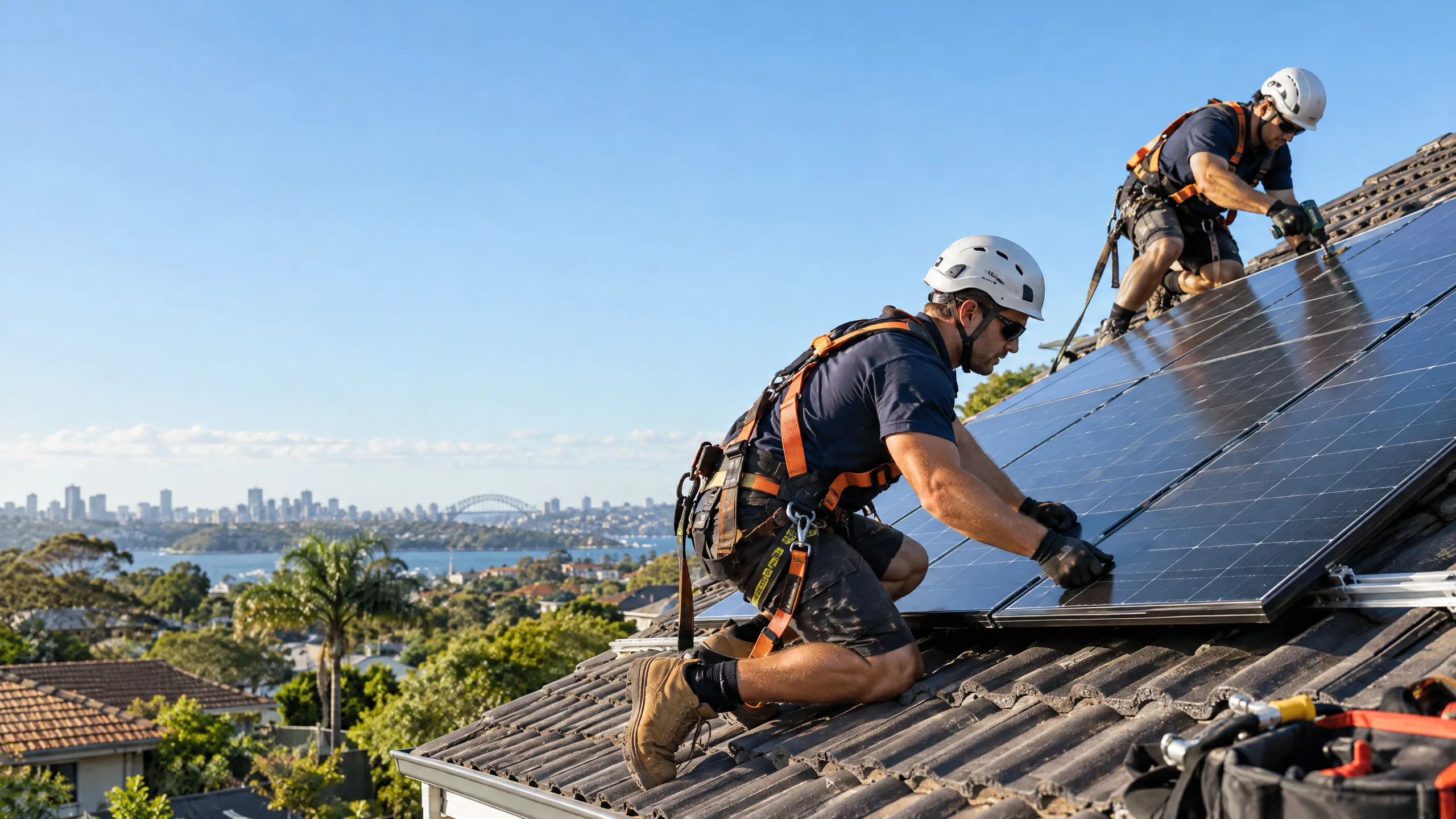
A correctly sized system with tier-one panels, a matched inverter and a clean install by an accredited electrician.
Solar Battery Installation
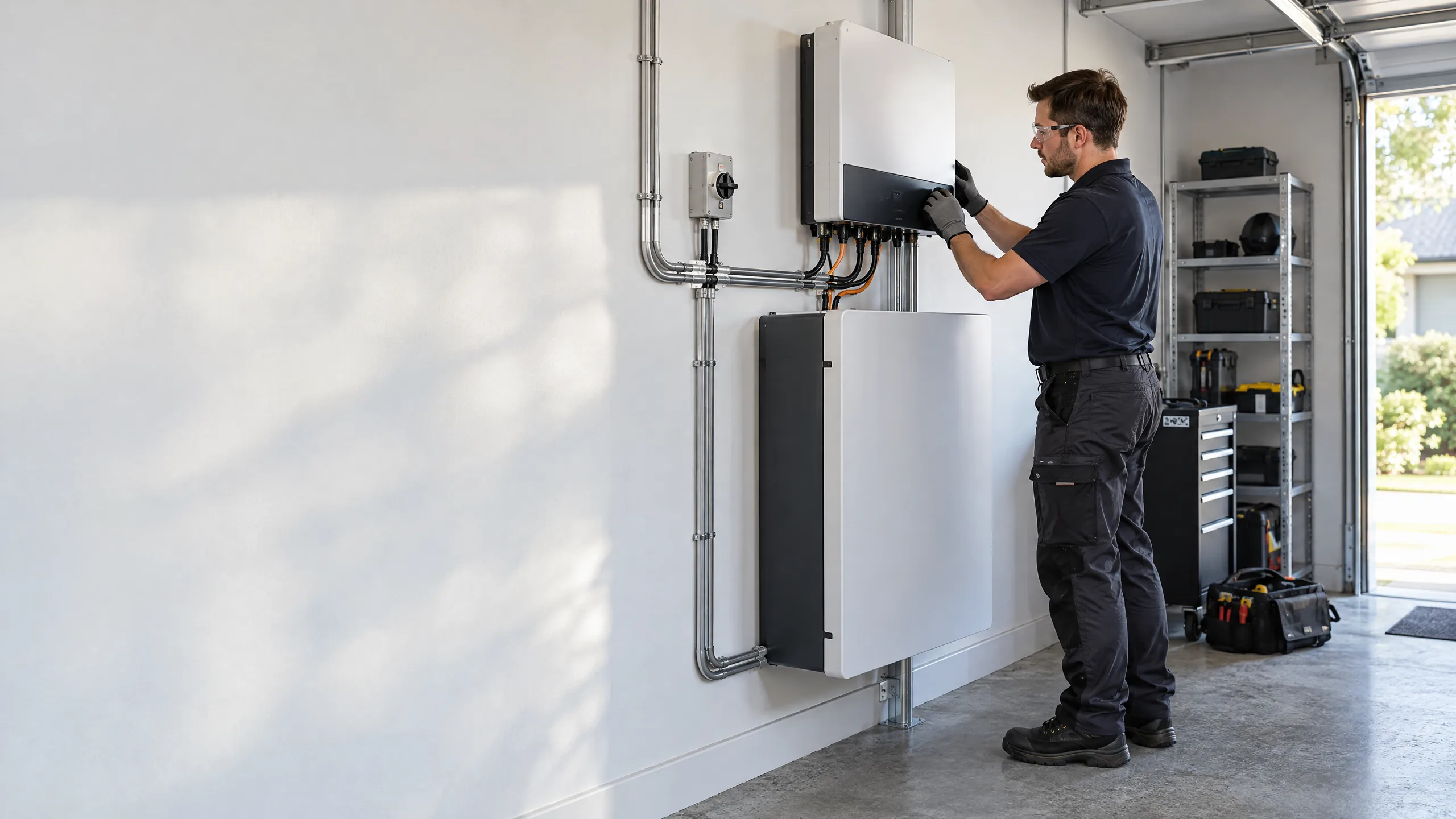
A battery sized to your evening load, installed with the right inverter and backup configuration.
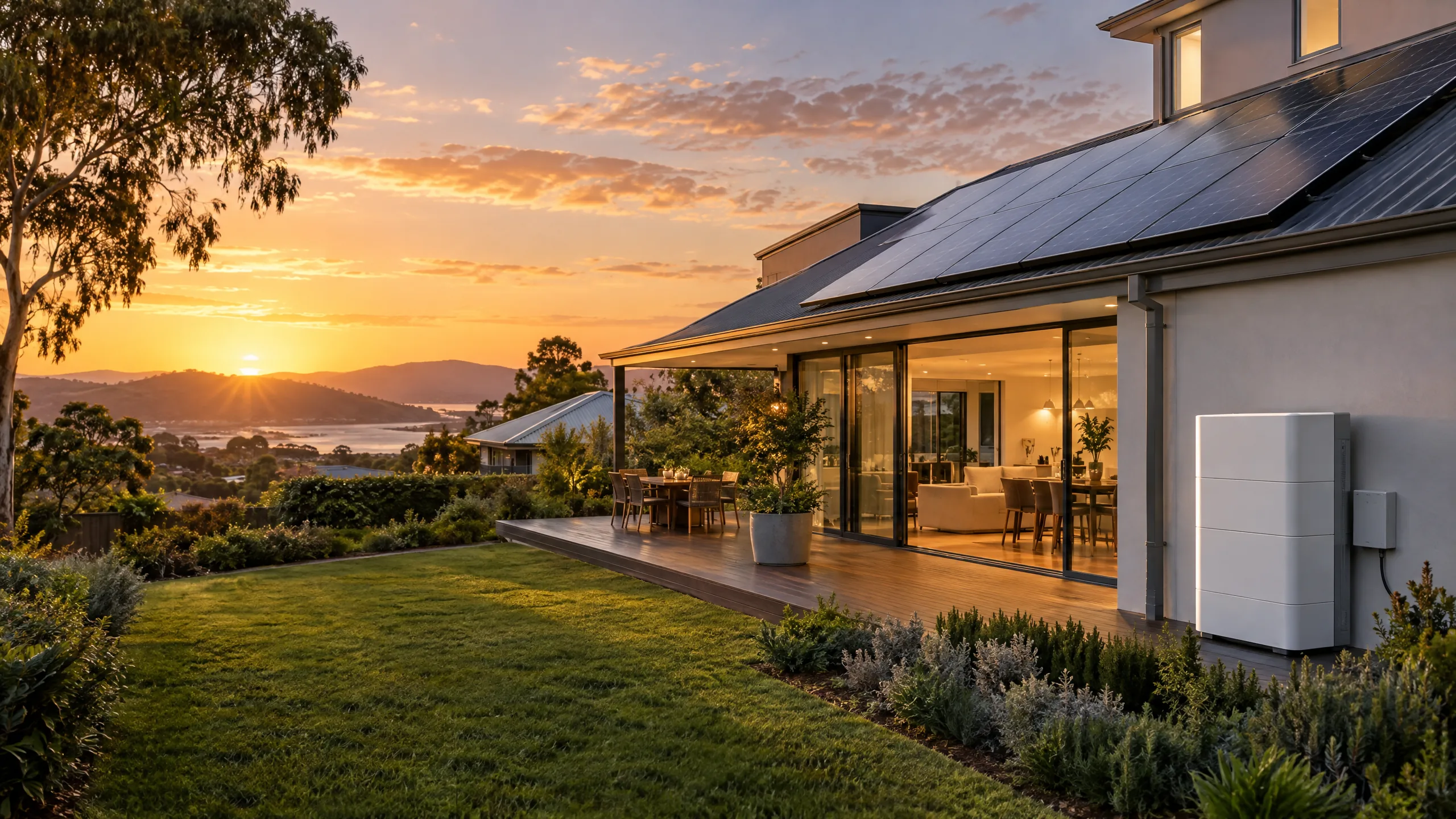
Solar + Battery Packages
A single designed package: panels, hybrid inverter and battery installed and commissioned together.
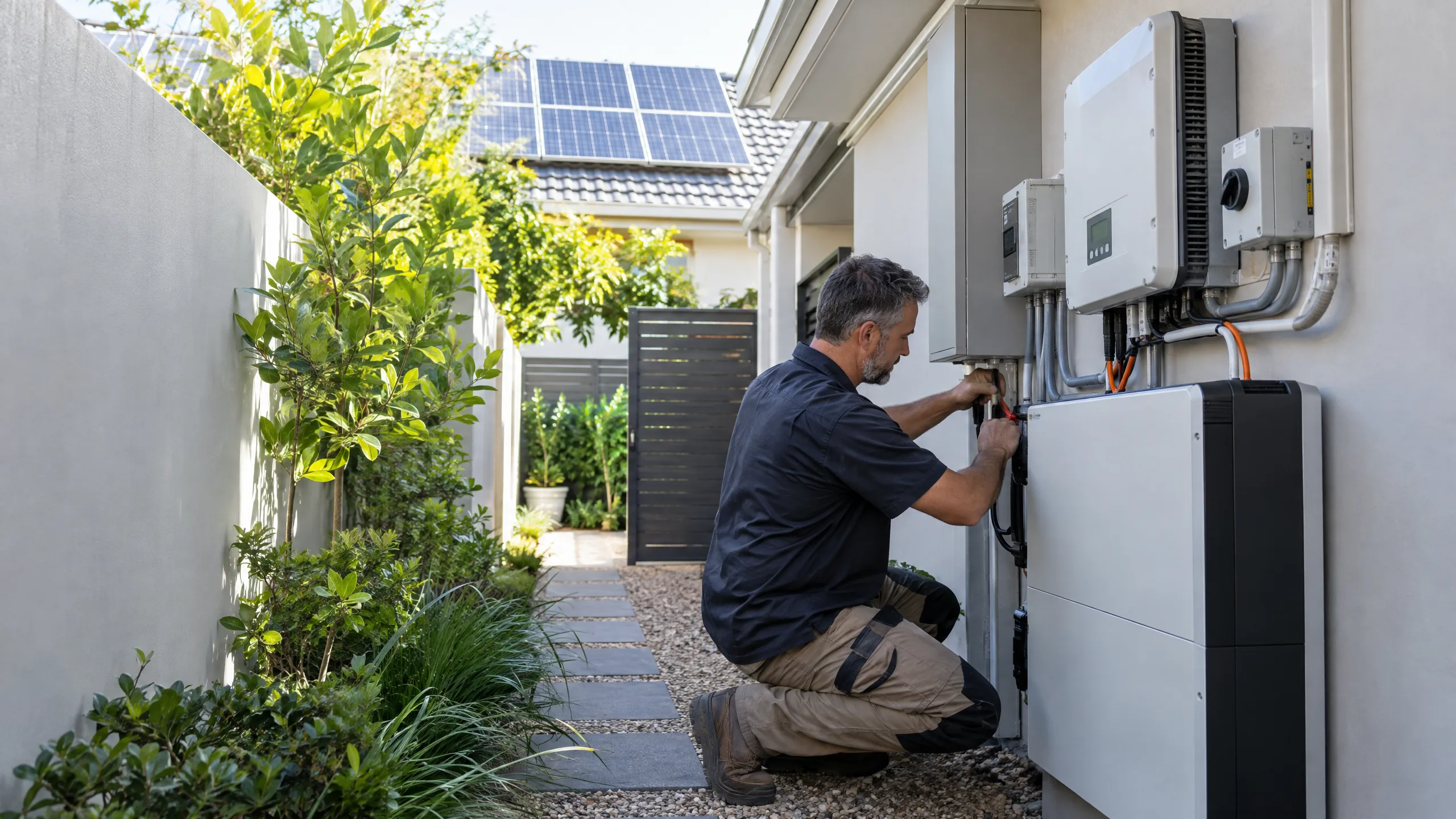
Add a Battery to Existing Solar
An AC-coupled battery or a hybrid inverter upgrade that adds storage without replacing working panels.
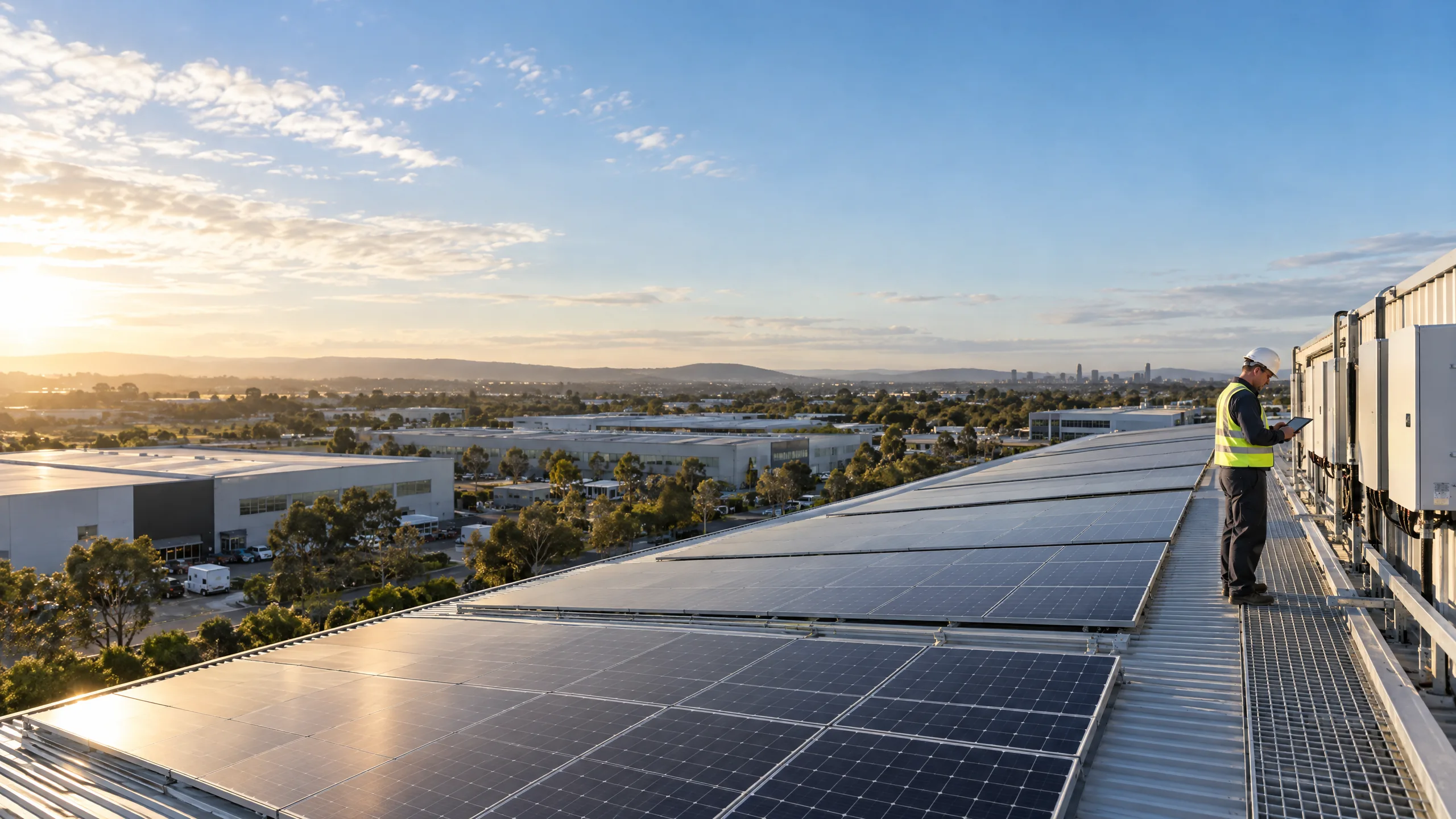
Commercial Solar
A commercial system designed around interval data, demand charges and roof structure, with a clear payback model.
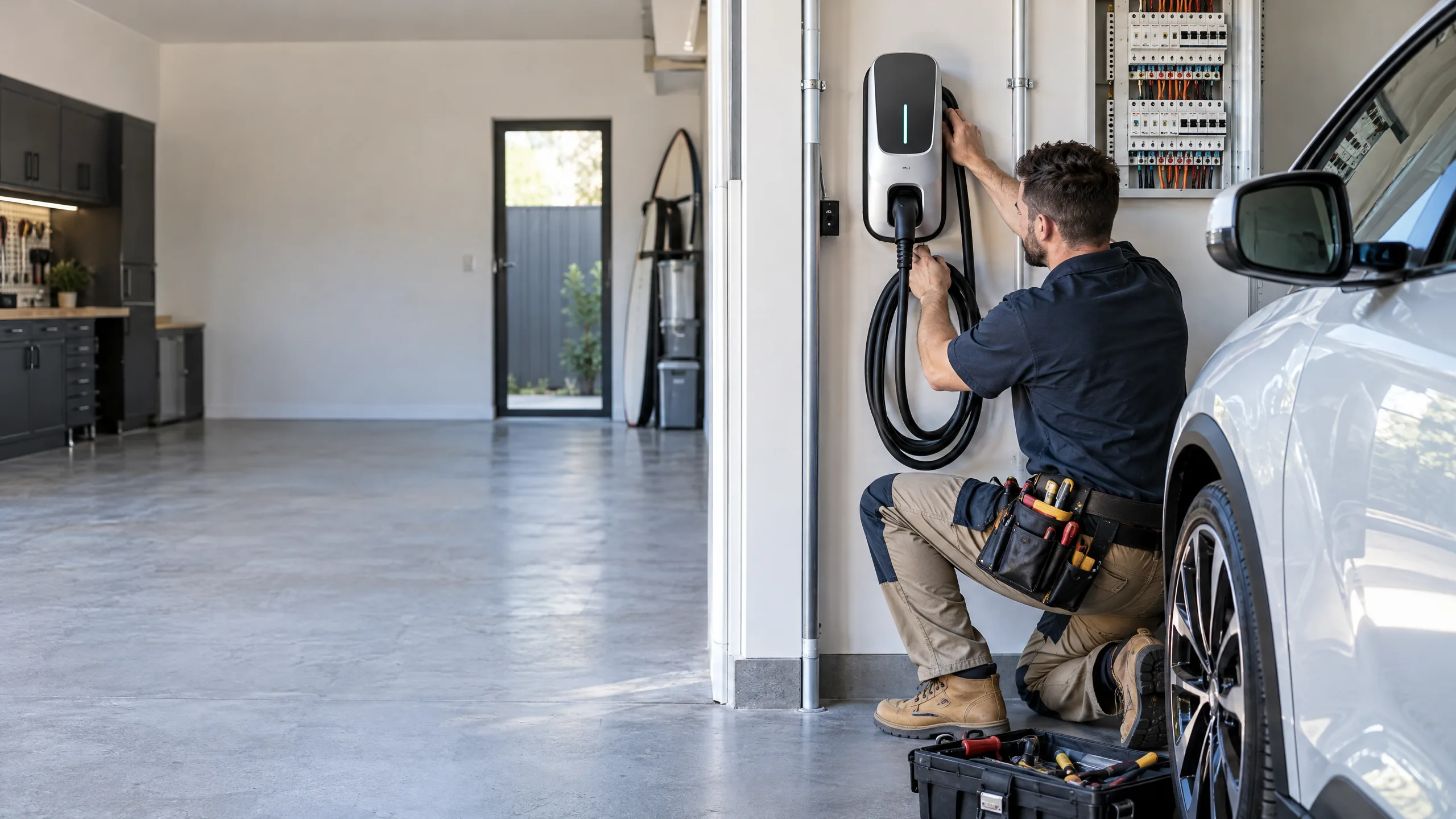
EV Charger Installation
A dedicated wall charger on its own circuit, ideally solar-aware so it soaks up surplus generation.
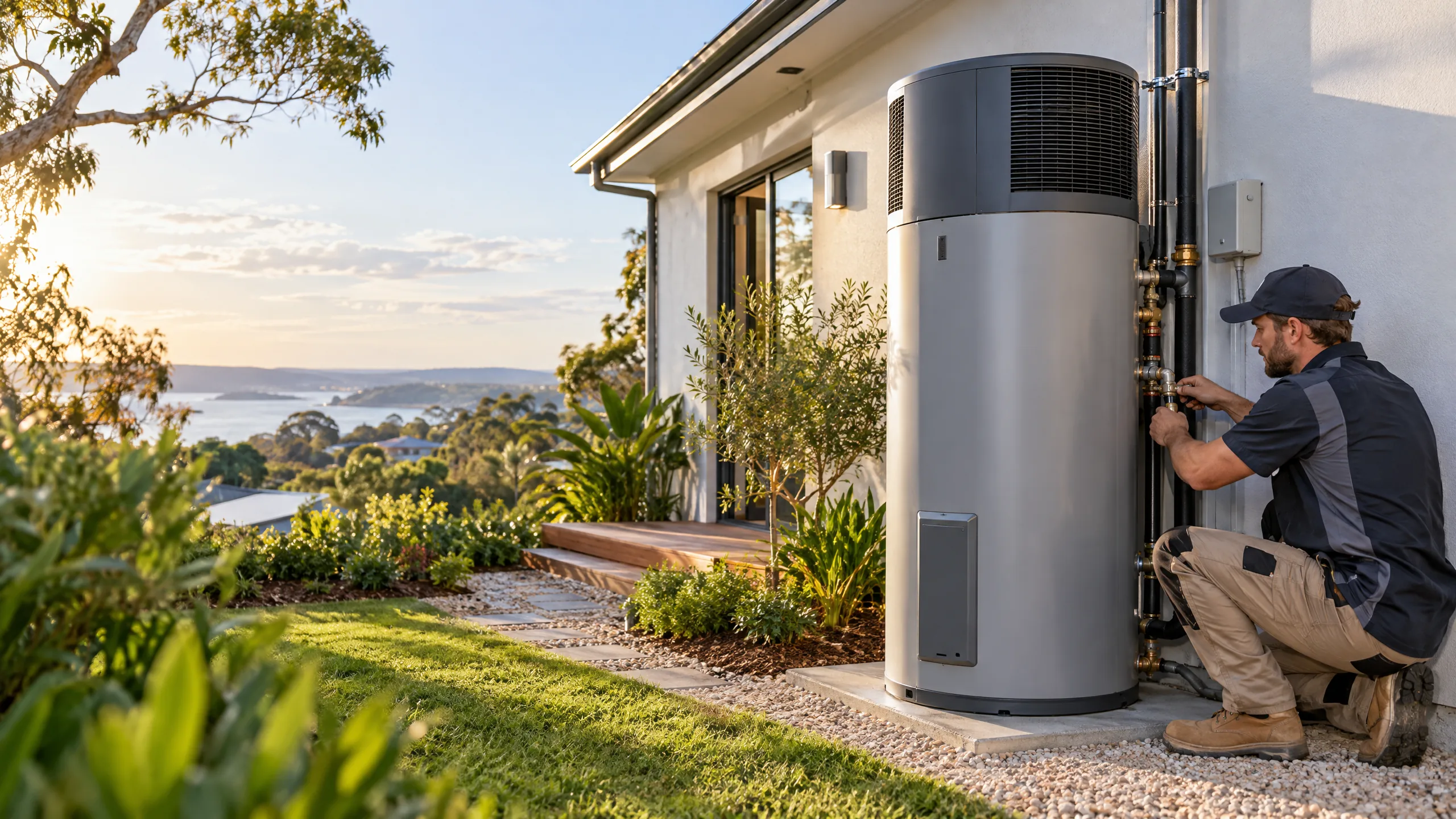
Heat Pump Hot Water
Heat Pump Hot Water in Mill Park, quoted in writing.
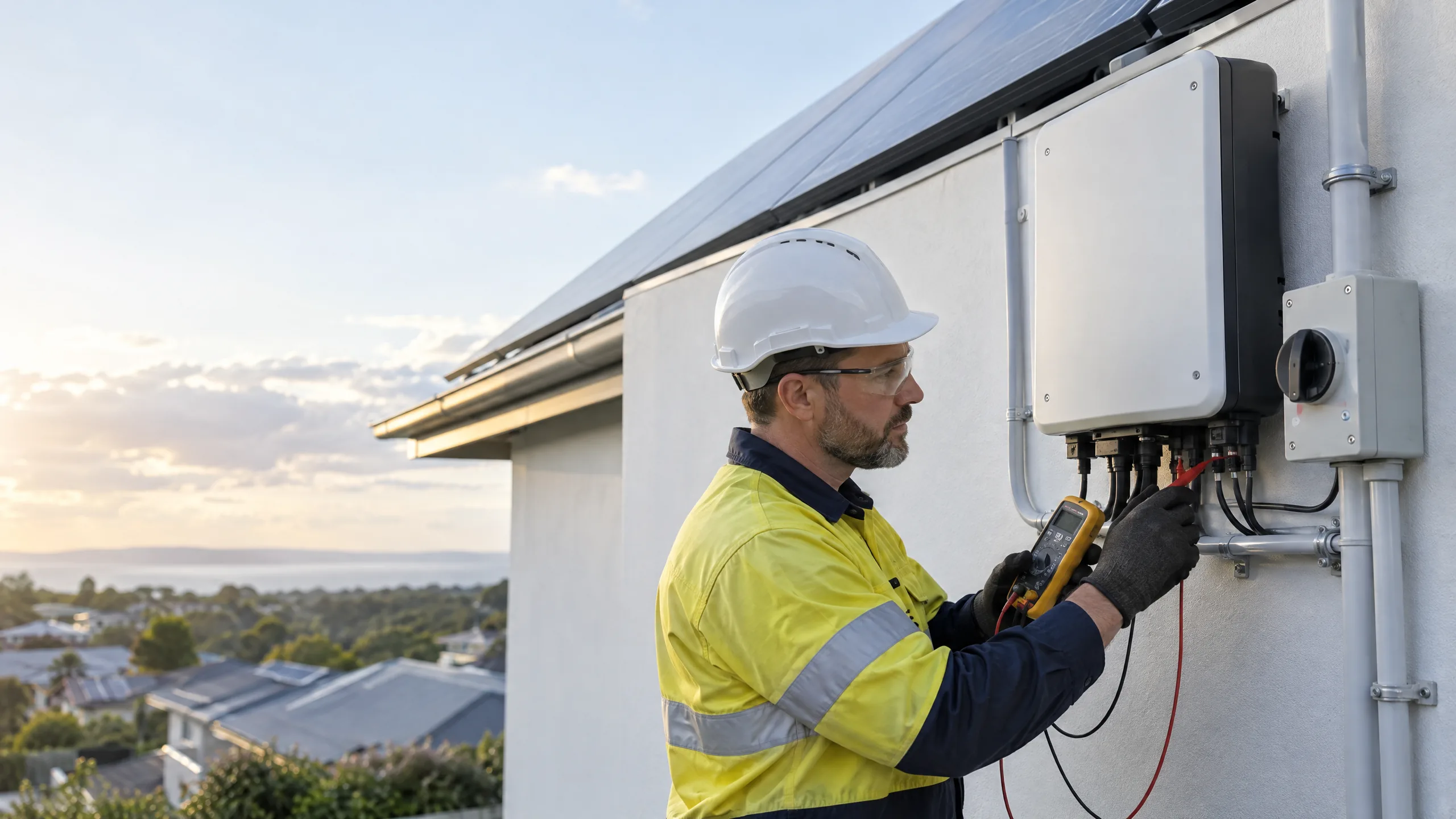
Solar Repairs & Maintenance
Solar Repairs & Maintenance in Mill Park, quoted in writing.
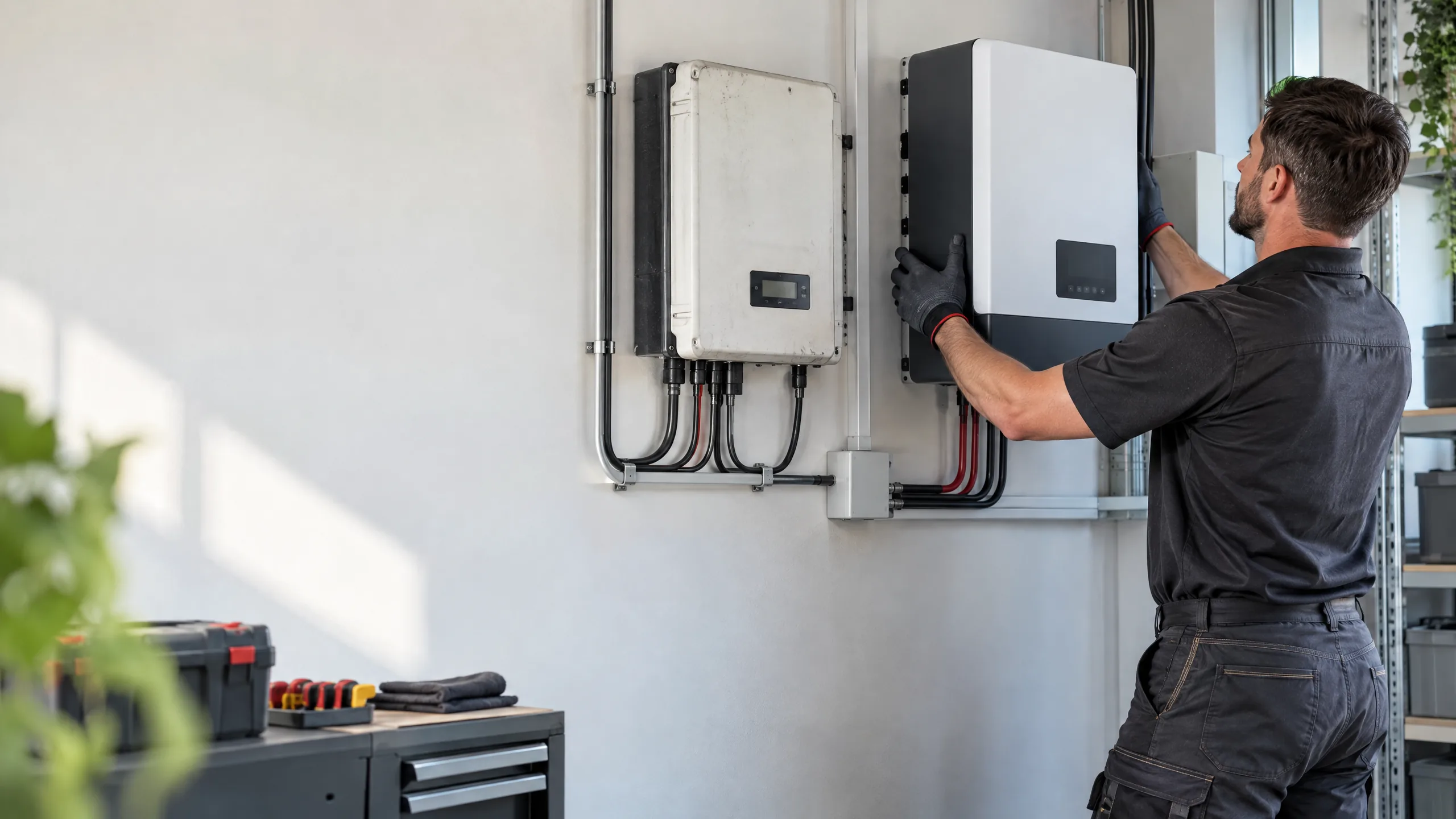
Inverter Replacement
Inverter Replacement in Mill Park, quoted in writing.
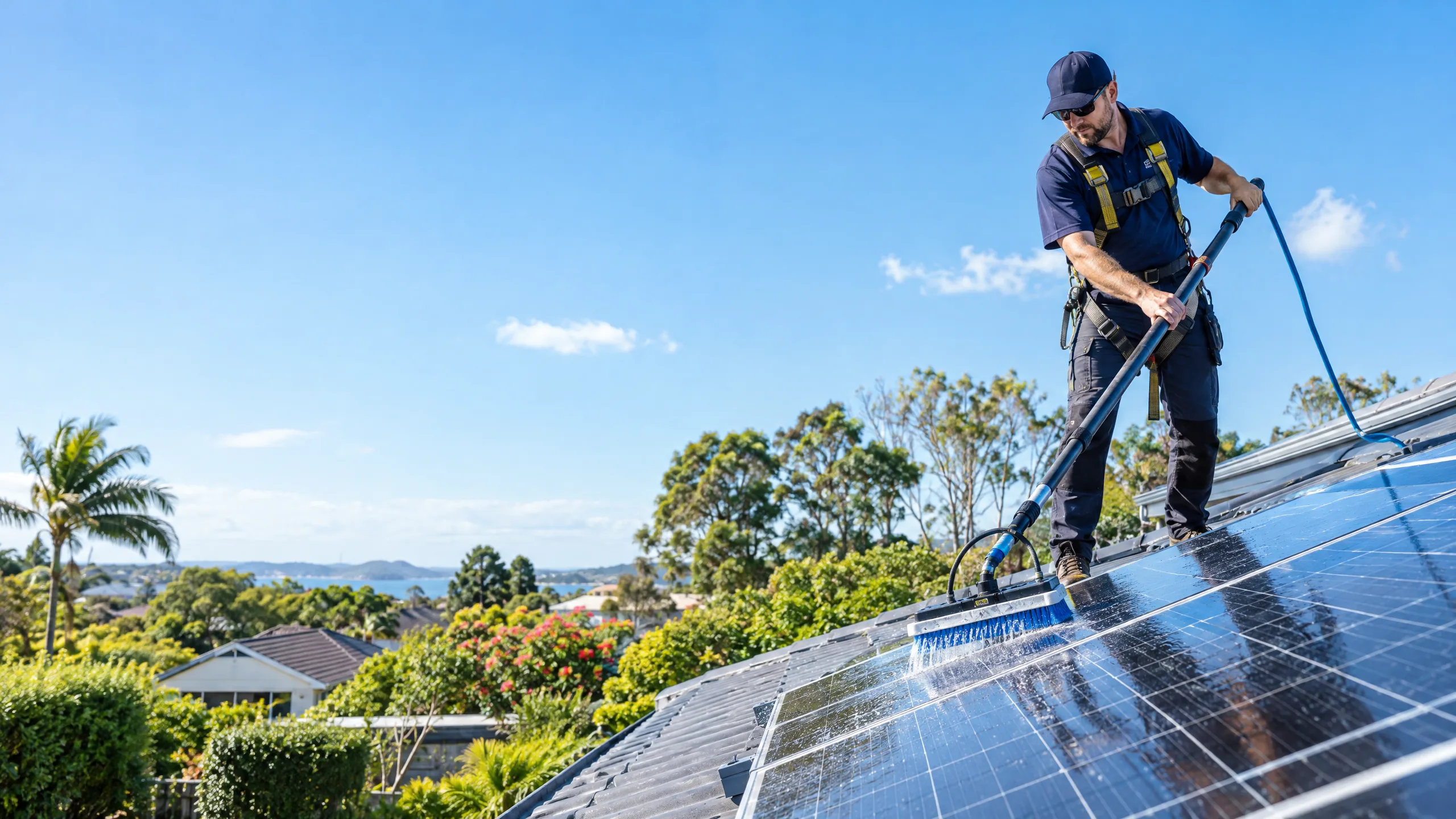
Solar Panel Cleaning
Solar Panel Cleaning in Mill Park, quoted in writing.
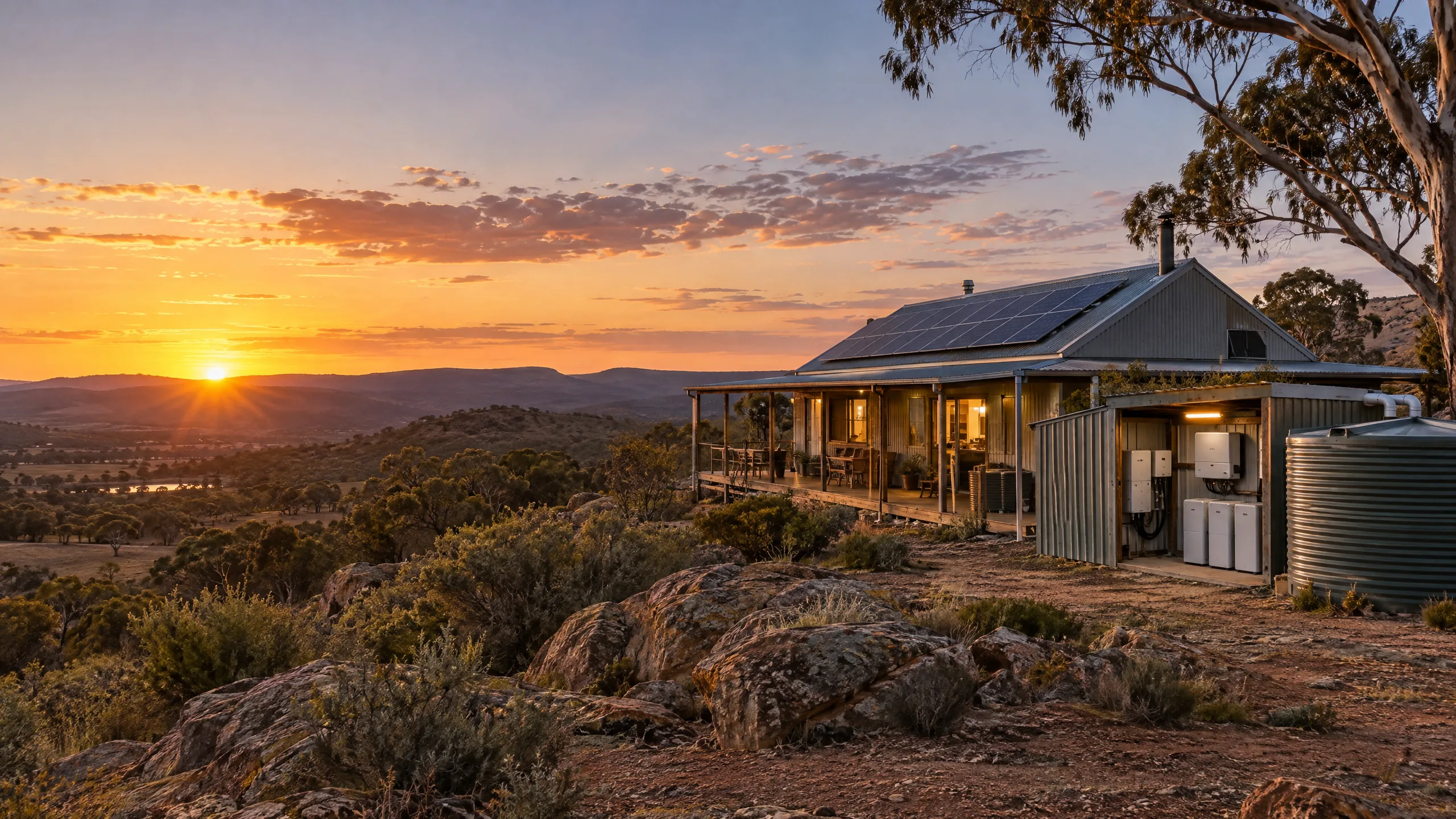
Off-Grid Solar Systems
Off-Grid Solar Systems in Mill Park, quoted in writing.
Homes & businesses
Residential and commercial solar in Mill Park
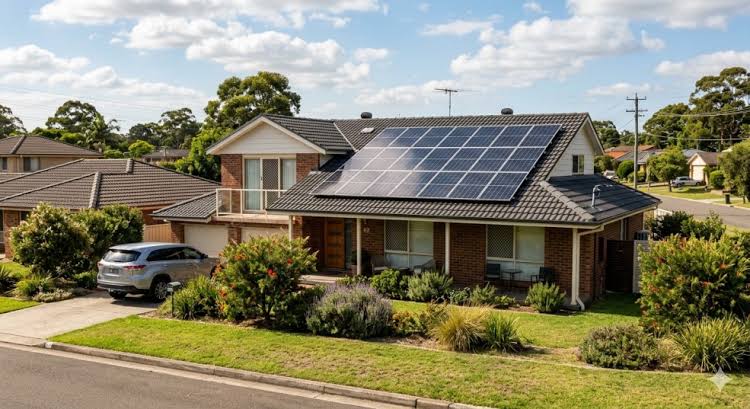
Residential solar
For homes: panels, batteries, packages and the upgrades that cut evening bills.
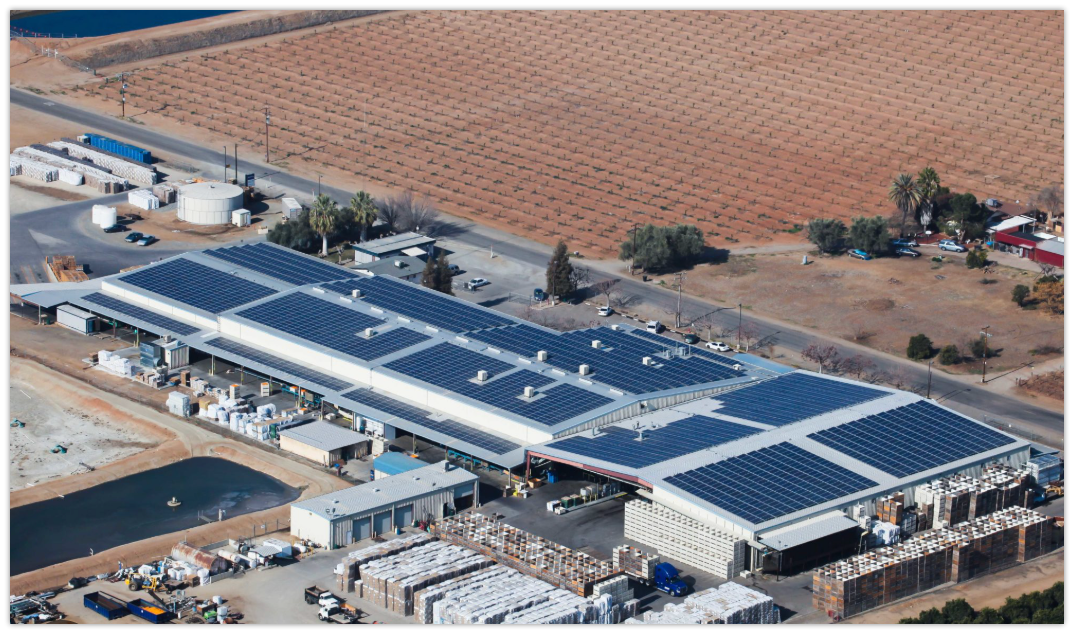
Commercial solar
For businesses: larger systems sized to daytime load, with monitoring and tax-time paperwork.
Industries
Farms & AgricultureWarehouses & ManufacturingRetail & HospitalitySchools & ChildcareMedical & Dental ClinicsStrata & Apartment Buildings
Solar designed around your situation
Which situation best suits you?

Solar and battery rebates in Mill Park
What Victoria homes can claim right now, worked out for Mill Park.
About $1,482
STC discount on 6.6kW
Federal SRES · 39 certificates
About $3,402
Battery incentive on 13.5 kWh
Cheaper Home Batteries (conditions)
Up to $1,400 locally made, $1,000 other
Solar Victoria hot water rebate
Solar Victoria, from 1 July 2026
Amounts change on set dates (next step-down 1 Jan 2027), so confirm before you sign. Last checked 16 Oct 2026. All Victoria rebates →
How it works in Mill Park
Start with step one →-
01
Site visit and design
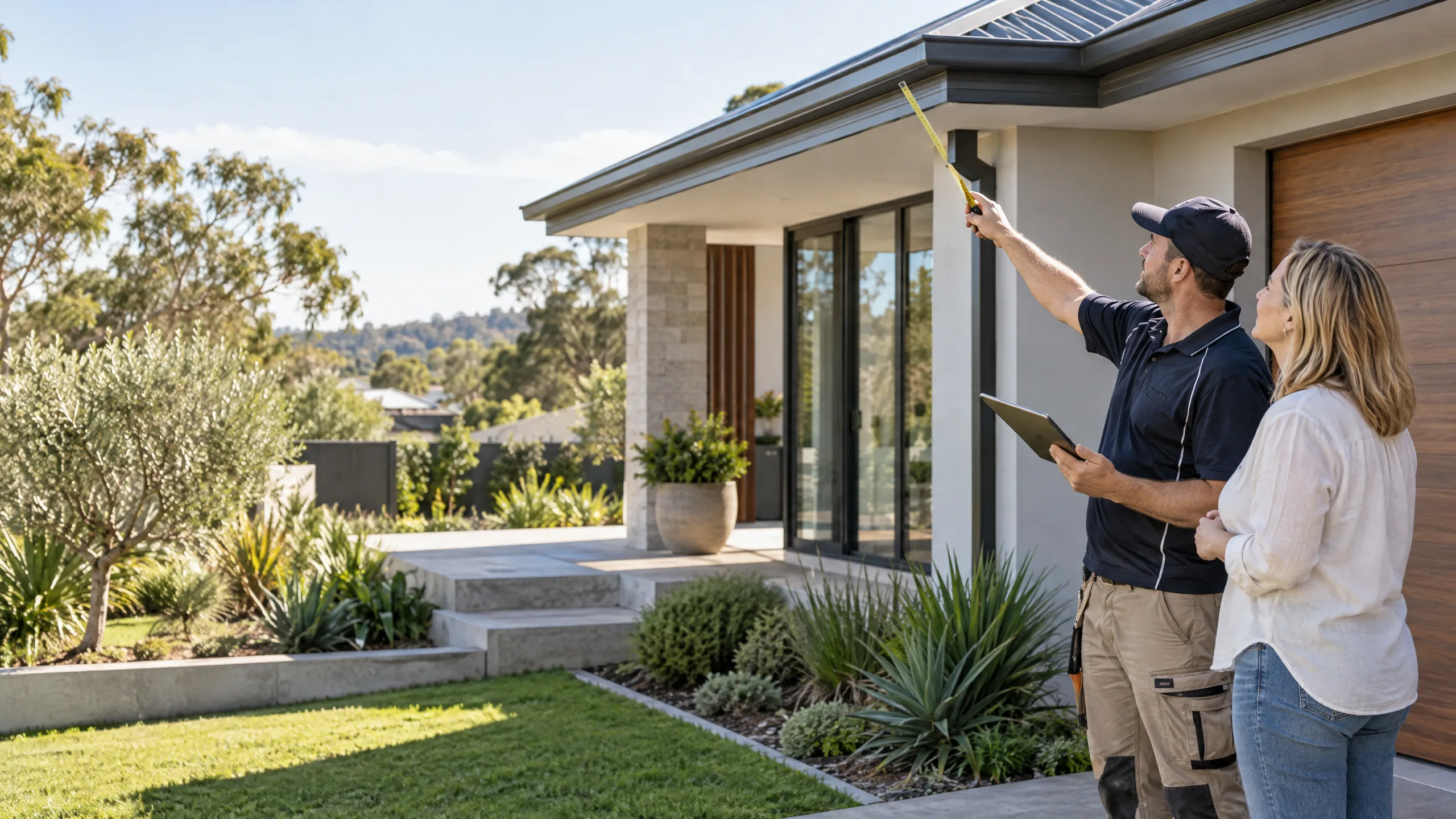
An accredited electrician inspects your roof, checks switchboard condition, measures orientation and shade, and collects your recent power bills. Bill Saver Solar then designs a system matched to your usage, roof space and budget, and calculates your potential output and payback. This assessment is free and takes about an hour.
-
02
Installation and testing
Once you approve the design, Bill Saver Solar orders panels, inverter and racking. On install day (usually 1–2 days), the team mounts panels, runs wiring, installs the inverter and isolators, and performs all safety tests. An Energy Safe Victoria Certificate of Electrical Safety is issued on completion.
-
03
Grid connection and handover
Bill Saver Solar lodges your system details with your distribution network (Powercor or United Energy in Mill Park) and your STCs with the Clean Energy Regulator to claim your upfront rebate. Your monitoring app is set up so you can watch your system produce and see your savings in real time. You receive a handover pack with warranties, manuals and support contact details.
Pricing guide
What does solar cost in Mill Park?
Costs in Mill Park depend on system size, panel and inverter brand, roof type, switchboard condition, whether you have single or three-phase power, and available rebates. A typical 6.6 kW system costs $6,750 before any incentives. Smaller 3–4 kW systems start around $4,000; larger 8–10 kW systems reach $9,500. Small-scale Technology Certificates (STCs) and Solar Victoria rebates can reduce your out-of-pocket cost by $1,400–$3,000 or more, depending on eligibility. Battery systems add $11,000–$15,000 for a 10 kWh capacity. Contact Bill Saver Solar with your postcode, roof type and recent power bill to get a detailed breakdown.
What affects your quote
- System size in kilowatts (kW) and number of panels
- Panel and inverter brand (tier-one versus budget options)
- Roof type, pitch, material and number of storeys
- Switchboard condition and whether you need an upgrade
- Single or three-phase mains power
- Available rebates: STCs, Cheaper Home Batteries, Solar Victoria schemes
| Job type | Low end | Typical | High end |
|---|---|---|---|
| Solar Panels | $4,000 | $6,750 | $9,500 |
| Solar Batteries | $7,000 | $11,000 | $15,000 |
| Solar + Battery | $12,000 | $19,000 | $26,000 |
| Battery Retrofit | $7,500 | $12,000 | $16,000 |
Pricing transparency: these ranges are market guidance, not quotes. Replace with verified local quote data as it comes in.
What’s included in a standard solar installation job?
Typically included
- Comprehensive site and roof assessment
- System design matched to your power usage and roof space
- Supply and installation of panels, inverter, racking, isolators and all wiring
- Installation by SAA accredited electricians and Energy Safe Victoria approval
- Grid connection paperwork and lodgement with distribution network
- Small-scale Technology Certificate (STC) lodgement with the Clean Energy Regulator
- Monitoring app setup, handover and support contact details
Often excluded
- Roof repairs or structural work (unless quoted separately after site visit)
- Tree lopping or removal of shading obstacles
- Switchboard upgrades (quoted separately if needed)
- Battery installation if not included in your package
Always get scope in writing. Some older homes in Mill Park may need switchboard upgrades to accommodate solar. This is identified during your site assessment and quoted separately if required. Three-phase supplies may have different connection terms; your electrician will advise during design.
Why Bill Saver Solar
Why Mill Park homeowners choose us

-
Accredited installers
SAA accredited installer, NETCC Approved Seller, Licensed electrical contractor.
-
2016 years in solar
Bill Saver Solar has been working on local roofs for 2016 years.
-
10 Years-year workmanship warranty
In writing, on top of the panel, inverter and battery manufacturer warranties.
-
Brands we install
Tesla Powerwall, Sigenergy, BYD, Alpha ESS, Enphase IQ Battery. We explain what each part does and why it suits your home.
-
Local office
Level 10, 14 Mason Street Dandenong VIC 3175.
-
Quick response
We aim to reply within Same Day Response.
Local solar numbers
What will a solar system do for a home in Mill Park?
A 6.6kW system in Mill Park should make about 9,016 kWh a year, roughly 25 kWh on an average day. The table below compares the sizes most homes choose, using Melbourne data, 19 km away.
| System | Output a year | Bill saving a year | STC discount | Typical price | Payback |
|---|---|---|---|---|---|
| 6.6kW | 9,016 kWh | — | $1,482 (39 STCs) | $4,500–$7,000 | — |
| 10kW | 13,660 kWh | — | $2,242 (59 STCs) | $6,500–$10,500 | — |
| 13kW | 17,758 kWh | — | $2,926 (77 STCs) | $8,500–$13,500 | — |
| 20kW | 27,320 kWh | — | $4,484 (118 STCs) | $13,240–$20,990 | — |
Output: PVWatts modelling for this area. Savings assume 25–35% of solar used at home; savings and payback show a dash until the local power price is verified. Prices are market guidance (after STCs), not quotes.
Local guide
Solar installation in Mill Park: local conditions and climate
Mill Park is a major urban suburb 18.9 km north-east of Melbourne's CBD, with a population of 28,712 residents across 3082. The suburb sits in Whittlesea council area and is served by either Powercor Australia or United Energy distribution network, depending on your street. Most homes are post-1970s brick veneer or weatherboard construction with tiled or colorbond pitched roofs facing north, north-east or north-west. Older established homes have mature trees that can create afternoon shade; a site assessment will identify which areas of your roof get full sun year-round.
Mill Park's climate is temperate, with warm summers (December to February) and cool winters (June to August). Average annual rainfall is about 600 mm, concentrated in winter months. The area receives about 4.76 peak sun hours per day on average, generating approximately 1,366 kWh per kW per year. Rooftop systems typically perform well, though winter output is lower due to shorter days and occasional cloud cover. Heat pump hot water systems are increasingly popular here; 200 installations were approved in the postcode in the last 12 months, compared to 174 new rooftop solar systems.
Whittlesea council has no blanket restrictions on rooftop solar, but heritage overlay areas, apartment buildings with shared roofs or homes in bushfire zones may face additional requirements. Most single-family homes with clear north-facing roof space can install solar without council approval, though notification to your distribution network is mandatory. Bill Saver Solar checks council requirements and your network operator's conditions during design so there are no surprises.
In Mill Park, 3,271 solar systems have been installed since 2001, with 174 approved in the last 12 months and 340 home batteries. Nearby suburbs—Bundoora (4 km), Lalor (5 km), Thomastown (5 km), Epping, Doreen, Mernda and Eltham—share similar climate, housing stock and network conditions, so Bill Saver Solar often installs across all of them in the same week.
At 4.76 sun hours a day based on Melbourne data 19 km away, a 6.6kW system in Mill Park generates close to 25 kWh on an average day.
Victoria programs that can apply in Mill Park: Solar Victoria hot water rebate (up to $1,400 locally made, $1,000 other — Same $150,000 income cap); Solar Victoria panel rebate (up to $1,400 — Combined household income $150,000 or less).
Nearby, Bundoora (4 km), Lalor (5 km), Thomastown (5 km) share similar conditions, so installers often cover all of them in the same week.
How to choose a solar installer in Mill Park
Red flags to watch for
- Installer claims you'll save money in the first year without showing detailed modelling of your usage and local rates
- No site visit or roof inspection before quoting; price based only on system size
- Installer promises a specific rebate amount without confirming your eligibility (rebates change, and income caps apply)
- No mention of Energy Safe Victoria approval, SAA accreditation or grid connection paperwork—these are legal requirements, not options
- Pressure to sign a contract on the first meeting or claims that prices or rebates expire 'this week'
- No written warranty or a warranty that only covers material defects but not installation workmanship
- 01
Confirm SAA accreditation and NETCC Approved Seller status
Ask your installer for proof of current SAA (Standards Australia) accreditation for their electricians and NETCC Approved Seller registration. These credentials ensure the installer meets Energy Safe Victoria requirements and can safely connect your system to the grid. Check the SAA website and NETCC register if you're unsure.
- 02
Check they include grid connection and CER lodgement
A reputable installer handles all paperwork: Energy Safe Victoria approval, distribution network notification, and Small-scale Technology Certificate lodgement with the Clean Energy Regulator. If an installer says these are 'extra', walk away. They're part of the job.
- 03
Get a detailed site assessment before the quote
The installer should visit your home, inspect your roof structure, check switchboard condition, measure shade patterns and review your power bills. This takes about an hour and should be free. A quote without a site visit is a guess and often wrong.
- 04
Ask what warranties cover panels, inverter and installation
Tier-one panels typically come with 25-year output warranties. Inverters usually have 5–10 year manufacturer cover. Installation workmanship should be warranted for at least 5 years. Read the fine print or ask Bill Saver Solar to explain what's covered and what isn't.
- 05
Confirm current rebate eligibility during design
STCs, Solar Victoria panel rebates (up to $1,400), solar hot water rebates (up to $1,400 for locally made) and the Cheaper Home Batteries program all have income or product caps that change. Your installer should confirm what applies to you in writing before you sign, and update amounts if eligibility rules change.
- 06
Ask about their response time and project timeline
How long until an electrician can visit? How long after design approval until installation? What if you need repairs or have questions after handover? A professional installer gives you clear timelines and contact details, not vague promises.
- 07
Request a referral from a local installation
Ask whether Bill Saver Solar can name a recent customer in Mill Park whose system you can speak to. (They will only give referrals with the customer's permission.) Talking to someone who's been through the process is invaluable. If an installer won't provide any referrals, that's a warning sign.
Brands we install
Brands we install
Ask us about current stock and warranty terms for each brand.
- Panels
- Jinko →Trina →LONGi →AikoRECCanadian Solar →SunPower (Maxeon)
- Batteries
- Tesla PowerwallSigenergy →BYDAlpha ESS →Enphase IQ BatterySungrow SBR →FranklinWH
How much power does a 6.6kW solar system produce in Mill Park?
How much is the STC rebate on a 6.6kW system in Mill Park?
How many homes in Mill Park have solar panels?
How much does solar cost in Mill Park?
How much do solar panels cost in Mill Park?
What will my solar system generate in Mill Park?
Should I add a battery to my solar panels?
Do I need an electrician's licence for solar installation?
What paperwork is needed after installation?
Can I install solar on a flat roof?
What happens to my solar credits if I export more power than I use?
Ready to cut your power bills in Mill Park?
Get a free, no-obligation solar assessment and a written, itemised quote.
Accredited installers — SAA accredited installer, NETCC Approved Seller, Licensed electrical contractor.
2016 years in solar — Bill Saver Solar has been working on local roofs for 2016 years.
10 Years-year workmanship warranty — In writing, on top of the panel, inverter and battery manufacturer warranties.
Brands we install — Tesla Powerwall, Sigenergy, BYD, Alpha ESS, Enphase IQ Battery. We explain what each part does and why it suits your home.