Canadian Solar solar panels
Canadian Solar panels installed by accredited electricians
Tier-one panels matched to your roof, usage and budget.
Your power bill keeps rising while most roof generation goes unused. A properly installed Canadian Solar system—sized to your actual usage, paired with the right inverter and cleaned regularly—cuts that waste and locks in lower energy costs for decades. Bill Saver Solar fits and monitors each system with accredited electricians and a handover app so you know what you're generating, every day.
Short answer
Is Canadian Solar a good choice in Australia?
Canadian Solar is a reliable, tier-one choice if you want a proven global brand with strong warranty cover and good efficiency across most roof types. The 25-year performance warranty and 12-year product warranty match international standards. Real-world performance depends on system size, inverter pairing and installer quality—not brand hype. Choose Canadian Solar if your site assessment shows a roof angle and shading pattern that suits the panel type Bill Saver Solar recommends, and if the total package cost (with STCs and any state rebate) fits your budget.
Consider Jinko or LONGi if you want maximum lab-rated efficiency and are willing to compare warranties and local support side by side. Pick Aiko if budget is tight and your usage pattern suits a smaller system. In all cases, verify Bill Saver Solar is SAA-accredited and ask for the full cost breakdown—panels, inverter, labour, grid paperwork and monitoring setup—before you commit.
Strengths
- 25-year linear performance warranty (80.2% output guaranteed) plus 12-year product warranty covers manufacturing defects and long-term degradation.
- Mid-to-high efficiency (18–22% depending on model) suits most Australian roof angles and shading patterns without oversizing.
- Global manufacturer with established supply chain; spare parts and technical support readily available through accredited installers.
- Competitive pricing in the $4,000–$9,500 installed range; qualifies for federal STCs and state rebates, reducing effective cost by $1,000–$2,500.
Check before you buy
- Efficiency gains over Jinko or LONGi are modest and won't offset poor roof angle or shading—site quality matters more than brand choice.
- Older inverters (pre-2020 string inverters) may not be battery-compatible; upgrading costs $1,500–$4,200, adding to total system cost later.
- Support quality depends entirely on your installer's SAA accreditation, response time and local knowledge—Canadian Solar brand alone does not guarantee fast repairs or maintenance.
Who makes Canadian Solar and how is it supported in Australia?
Canadian Solar Inc. is a publicly listed (NASDAQ) manufacturer headquartered in Toronto, Canada, with manufacturing facilities across Asia, North America and Europe. The company has been operating since 2001 and supplies panels to installers and utilities globally. In Australia, Canadian Solar panels are distributed through accredited installers like Bill Saver Solar. There is no dedicated Australian head office; support flows through your local SAA-accredited installer, who manages warranty claims via the distributor and handles site visits, maintenance and monitoring app setup.
What decides it
Canadian Solar on the things that matter
What warranty and support terms come with Canadian Solar panels?
Canadian Solar panels include a 12-year equipment warranty (manufacturing defects, frame, glass and junction box) and a 25-year linear performance warranty guaranteeing at least 80.2% output after 25 years. The performance warranty covers gradual degradation due to age; it does not cover physical damage, wear or misuse. Your installer handles all warranty claims on your behalf through the Australian distributor. Ask Bill Saver Solar for the full warranty schedule in writing before installation so you know exactly what is covered and for how long.
How efficient are Canadian Solar panels compared to rivals?
Canadian Solar panels achieve mid-to-high efficiency (18–22% depending on the model and generation). LONGi and Jinko models often rate 19–22%, while Aiko typically sits 17–20%. Efficiency matters most on small roofs or where shading limits space; on larger roofs, the difference in real-world output is 2–5% and is rarely the deciding factor. Bill Saver Solar will model the annual kWh yield for your roof, inverter and usage pattern regardless of brand, showing you the real financial return over 25 years.
Can I expand a Canadian Solar system with a battery later?
Yes, if your inverter is hybrid or battery-ready (most systems installed in the last 3–4 years are). If you have an older string inverter, you will need to replace it first ($1,500–$4,200) before adding a battery. Bill Saver Solar will confirm inverter compatibility during a site visit. Battery addition costs $7,500–$16,000 depending on capacity and brand; you may qualify for the Cheaper Home Batteries Program rebate, which offers up to $252/kWh for the first 14 kWh of storage (2026 rate). Confirm current rebate amounts with the Department of Climate Change, Energy, Environment and Water (DCCEEW) or your state energy agency.
What monitoring and app support does Canadian Solar offer?
Canadian Solar does not provide a proprietary app; monitoring depends on your inverter brand. Bill Saver Solar installs a compatible inverter (typically Fronius, SMA or similar) that comes with its own monitoring app, showing real-time generation, consumption and battery status. You log in via smartphone or web portal to track daily output and spot faults (dirty panels, inverter errors). Bill Saver Solar sets up the app at handover and provides login details and basic training. If you have questions or the system stops generating, contact Bill Saver Solar first; your installer manages both the panels and the inverter support.
How does Canadian Solar pricing work in different Australian states?
A Canadian Solar system installed by Bill Saver Solar ranges $4,000–$9,500 AUD depending on system size (kW), inverter tier, roof type and your state. The largest cost drivers are system size, panel and inverter brand, and any roof or switchboard upgrades needed. Installation labour varies by state due to distance, local rates and grid connection rules. You may also qualify for Small-scale Technology Certificates (STCs) under the federal SRES (typically $1,000–$2,500 discount) and state rebates (varies by state and income). Bill Saver Solar will quote you the full price, apply eligible rebates and show your net cost before you sign.
What do I need to check before choosing Canadian Solar?
Before ordering, confirm: (1) your roof angle, direction and shading (using Bill Saver Solar's site assessment); (2) your switchboard type (single or three-phase) and age, as upgrades may be needed; (3) your current energy usage (from your power bill) so the system is sized correctly; (4) your state's current rebate eligibility and STC value via the Clean Energy Regulator; (5) whether you want to add a battery later (if so, check inverter compatibility now). Bill Saver Solar will walk you through all of these during the free site assessment and provide a design drawing and cost breakdown before installation.
Who should choose Canadian Solar?
Owner with a new roof, high usage and budget for rebates
You have a large, unshaded south-facing roof, pay $200+ per month for power, and can wait for rebates. A 6–8 kW Canadian Solar system ($7,500–$9,500) will halve your bill. STCs and state rebates cut net cost to $5,500–$7,000. This is your best fit.
Owner wanting to add a battery in 2–3 years
You want solar now but plan a battery later. Choose a hybrid inverter upfront (adds ~$300–$500 to initial cost) so you avoid a $1,500+ inverter replacement later. Canadian Solar panels paired with a battery-ready inverter is a smart sequence.
Owner with a tight budget and small roof
You have limited roof space and can afford $4,000–$5,000 installed. A 3–4 kW Canadian Solar system is viable, but Aiko panels may offer better value per watt. Compare quotes from Bill Saver Solar side by side before deciding.
Owner requiring maximum efficiency and willing to pay more
You have moderate shading, want peak efficiency and can spend $8,000–$9,500. LONGi or Jinko panels rate slightly higher in lab tests, but Canadian Solar is still competitive. Ask Bill Saver Solar for a direct output model before choosing.
Installation & costs
Canadian Solar installation by area
BerwickCraigieburnCaroline SpringsCranbourneClydeNarre WarrenGlen WaverleyHightonFerntree GullyBallaratCroydonEppingAll areas →
What warranty does Canadian Solar offer on panels in Australia?
How much do Canadian Solar panels cost installed in Australia?
Where are Canadian Solar panels made?
Is Canadian Solar on Australia's approved installer lists?
Can I add a Canadian Solar battery to an existing Canadian Solar system?
How do Canadian Solar panels compare to Jinko, LONGi and Aiko?
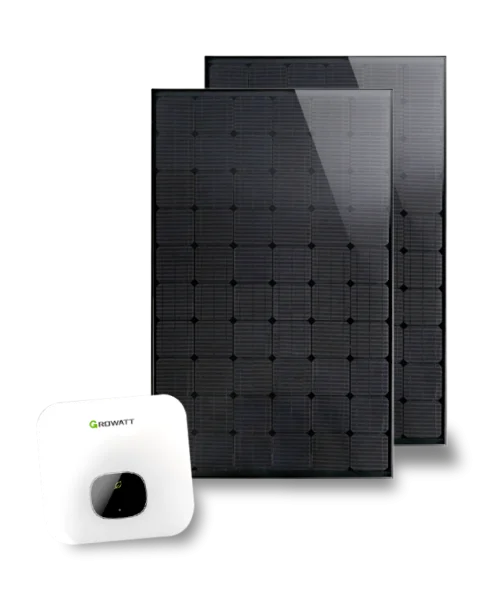
Get a site assessment and system design—no obligation.
An accredited electrician will check your roof, switchboard and usage, then show you what a Canadian Solar system costs with rebates applied.