How much does a typical solar system cost in Australia?
A 6.6 kW system typically costs $4,000–$6,500 after factoring in system size, roof type, panel tier and available rebates. A 10 kW system ranges $6,500–$8,500. Larger 13 kW+ systems for high-usage households cost $8,500–$9,500. The Clean Energy Regulator's Small-scale Technology Certificates (STCs) provide an upfront discount calculated as system size (kW) × zone multiplier × 5-year deeming period × $38 per STC. Your distribution network, switchboard condition, roof pitch and single or three-phase power supply also affect the final quote.
What does a solar installation include?
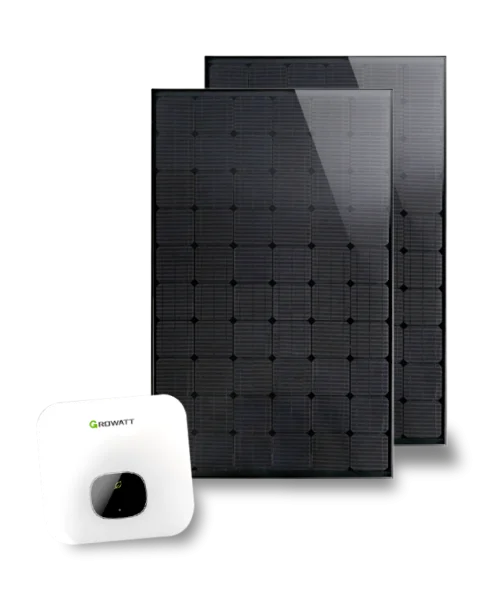
A full installation covers site assessment and roof condition check, system design matched to your usage patterns, tier-one panels and a matched inverter, roof racking and isolators, installation by an SAA-accredited electrician, grid connection paperwork and lodgement, and setup of your monitoring app so you can track generation in real time. Bill Saver Solar also provides you with a handover pack explaining your system, how to read the app and when to contact us for performance issues.
Do I need council approval or permits for solar panels?
Most residential solar installations are approved by your local council as part of a development assessment, but some postcodes or heritage areas have stricter rules. Your installer will check your council's requirements during the site survey and include any necessary applications in the project timeline. Grid connection requires an application to your distribution network operator (for example, Ausgrid in Sydney, Powercor in Victoria); Bill Saver Solar lodges this on your behalf as part of the installation fee.
How long does a solar installation take?
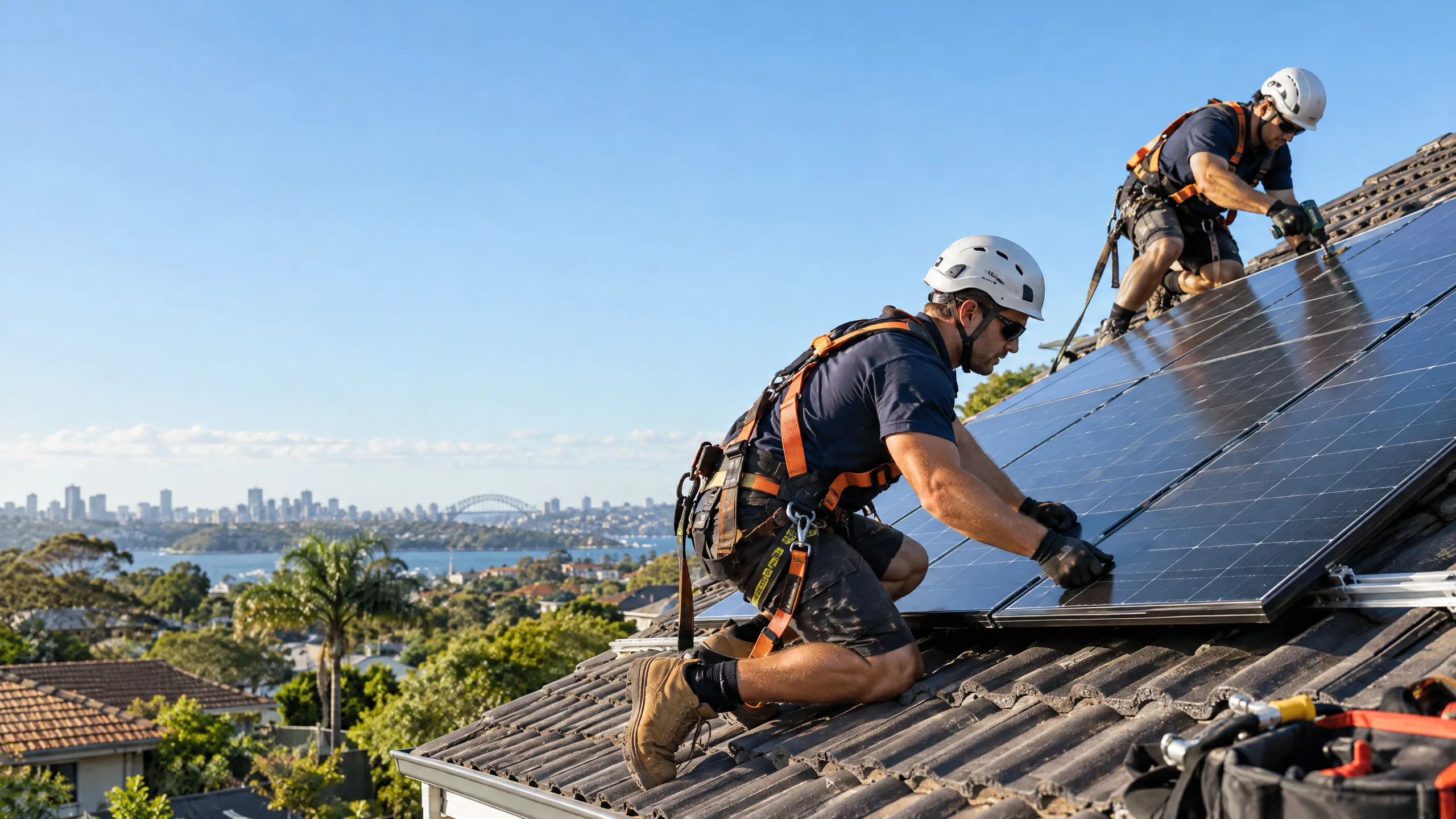
A typical residential installation takes one to three days on site, depending on system size and roof complexity. Grid connection approval from your distribution network can take four to eight weeks after installation. From first contact to system live and monitoring running, most projects are complete within six to twelve weeks. Complex multi-storey homes or systems over 13 kW may take longer.
What rebates and incentives are available?
The federal Small-scale Technology Certificates (SRES) scheme offers an upfront discount on the cost of your system. The amount depends on your location (STC zone), system size and the 5-year deeming period; in 2025–2026 the benchmark is $38 per STC. From 1 July 2025, the Cheaper Home Batteries Program subsidises battery storage at $252/kWh for the first 14 kWh, $151/kWh from 14–28 kWh and $38/kWh from 28–50 kWh (2026 rate). Many states also run top-up rebates. Confirm current amounts with the Clean Energy Regulator or your state energy agency, as rates change on set dates.
Will solar panels work on my roof type and pitch?
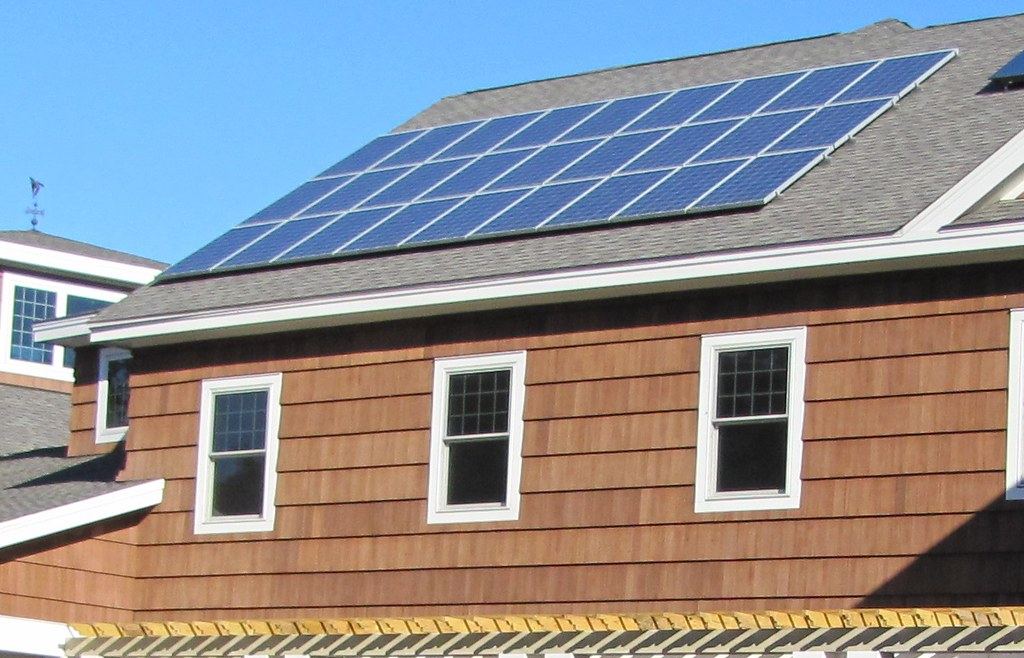
Solar panels work on tile, tin (corrugated metal), metal and fibre cement roofs. Pitch between 15° and 40° is ideal; flat roofs need weighted ballast racking instead of roof penetrations. South-facing panels in Australia generate the most power, but north-west and east-west orientations are also viable depending on your usage profile. Your site assessment includes a full roof condition check; if roof repairs are needed before installation, Bill Saver Solar can recommend a qualified roofer or schedule the work alongside your solar project.
What happens if I move house or change electricity retailer?
Your solar system stays with the property and is included in the sale. The new owner inherits the system warranty and monitoring access, though they'll need to set up their own retailer account and elect to join (or not) the federal STC scheme. Your retailer does not affect your solar system's operation; panels send power to your home and the grid regardless of which retailer manages your bill. If you move, ask Bill Saver Solar about decommissioning and removal options.
What warranty do I get on panels and inverter?
Tier-one panel brands typically provide a 25-year power output warranty (80% minimum at year 25) and a 10–12 year product warranty. Inverters carry a 5–10 year product warranty depending on brand, with extended warranties available. All components are covered under the 2016-year system warranty from Bill Saver Solar. Review your warranty paperwork at handover and register your products with the manufacturer to protect your coverage; Bill Saver Solar helps with this during setup.
How do I choose the right system size for my home?
Your system size should match your average daily consumption. Check your last 12 months of power bills to find your usage (most Australian homes use 15–25 kWh per day). A 6.6 kW system typically generates 20–28 kWh per day; a 10 kW system generates 30–42 kWh per day, depending on location and season. Your installer will also check your postcode's solar zone (which affects STC eligibility under the SRES) and model your expected bill savings before you commit.
Do I need council approval or building permits for solar panels?
Most Australian suburbs don't require development approval (DA) for residential solar up to 10 kW, but all electrical work must be certified and notified to your local council by a licensed electrician. We lodge the electrical installation certificate (EIC) after installation. If your roof was built before 1990, an asbestos check may be needed. If you rent or live in a strata scheme, you'll need written permission from your landlord or body corporate. We'll confirm your specific local requirements during your site visit.
How long does solar installation typically take?
From assessment to grid connection usually takes 2–4 weeks. The assessment and design phase takes 3–7 days; ordering and delivery takes 5–10 days; installation takes 1–2 days; and grid connection and final network inspection takes 5–14 days. After your system is switched on, monitoring and handover happen on installation day. We'll give you a timeline specific to your property at the quote stage.
What rebates and incentives are available in Australia?
The federal government offers Small-scale Technology Certificates (STCs) worth thousands of dollars off your upfront cost for systems up to 10 kW. From 1 July 2025, the Cheaper Home Batteries Program also provides rebates if you're adding a battery. Some states offer additional rebates—check with your state energy agency for current amounts. We lodge your STC application on your behalf and advise you of state schemes when you get your quote. Always confirm current eligibility and rates with the Clean Energy Regulator (CER) or your state agency, as amounts change on set dates.
What happens to my solar system if I move house or change electricity retailer?
Your system stays with the property and transfers to your buyer if you sell. Export approval and the grid connection are tied to the property, not to you personally. If you change electricity retailer, your solar system remains independent and continues to work—just tell your new retailer your system details. Your panel and inverter warranties stay valid regardless of ownership or retailer changes.
What warranty do I get on solar panels and inverter?
Tier-one solar panels typically come with a 25-year manufacturer warranty covering defects and output degradation. Inverters usually have 5–10 years manufacturer warranty, with options to extend. We also provide 5 years workmanship warranty on installation. If any component fails due to our work or manufacturing fault within warranty, we repair or replace it at no cost. Extended and premium warranties are available at the quote stage.